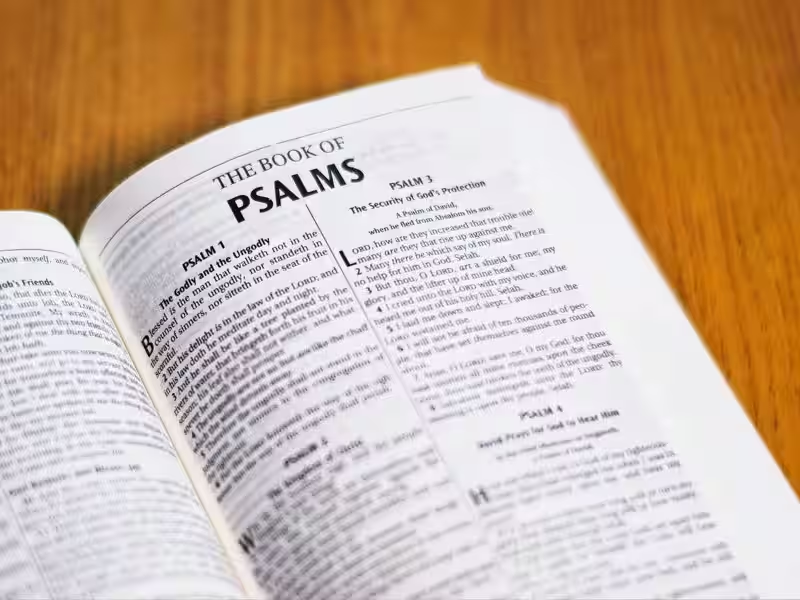
Exploring the Psalms: A Woman's Perspective on Faith and Religion
Exploring the Psalms: A Woman's Perspective on Faith and Religion
The Psalms, a collection of ancient Hebrew poetry, offer a profound window into the human experience, brimming with joy, sorrow, and everything in between. Often, we visualize these powerful words through a male lens, but a closer look reveals the voices of women woven within, both directly and indirectly. Understanding this feminine perspective within the Psalms is crucial for a richer, more complete understanding of faith and religion.
These sacred texts are not just historical documents; they are powerful tools for self-reflection, connecting with the divine, and navigating life's challenges. By examining the Psalms from a female perspective, we can unlock a deeper understanding of faith and its relevance in the modern context. We can see how women have always found solace, strength, and inspiration within these verses. This engagement with the text can foster a more inclusive and relatable understanding of faith for everyone.
The Psalms provide a safe space for expressing a wide range of emotions, from overwhelming joy to profound despair. Women, throughout history, have used these poetic expressions as a means of connecting with a higher power, feeling heard, and finding comfort in a world often fraught with societal pressures. A psalmist's struggle, whether a woman or man, is often a universal struggle. We can see this in poems that express a desire to give praise, such as Psalm 150. These poems, regardless of the gender of the writer, often speak to our shared human experience.
The Psalms can serve as a powerful tool for meditation and prayer. The rhythmic nature of the verses and the deep emotional resonance often allow women to engage with the text in ways that resonate with their personal experiences. We can draw strength from the Psalms, finding encouragement and wisdom within their words. Imagine a woman feeling lost—a psalm about hope or resilience can provide comfort. For women, the psalmist's experiences can bring a sense of solidarity and understanding.
The Psalms are not just about describing God; they are about interacting with him. This interaction often includes moments of grief and questioning, which are perfectly valid and crucial in any relationship. We can see this in the Psalms where women likely expressed their doubts, fears, and hopes. Understanding how these emotions were expressed throughout history gives women a sense of power and legitimacy. Psalms allow us to see how women historically asked questions about God's role in their lives. For instance, Psalm 139 delves into the depths of God's knowledge and power. This type of contemplation is relevant even today.
The Psalms offer a variety of perspectives on God, from a demanding and powerful being to a compassionate and loving guide. This fluidity in the portrayal of God allows women to connect with the divine on a level that resonates with their own experiences. This understanding is key to fostering a personal relationship with faith. Consider Psalm 23, often quoted, which portrays God as a shepherd caring for His flock. Such imagery allows diverse individuals, including women, to connect with a compassionate God.
Psalms Women in History and Culture
Understanding the historical context of the Psalms is vital for interpreting their meaning for women today. These texts have been interpreted and reinterpreted over centuries, and women have been at the forefront of this ongoing conversation. Different cultures and communities have their own ways of relating to Psalms. For example, some Jewish communities have developed traditions surrounding women's participation in reciting or interpreting the Psalms. Examining these various interpretations and traditions can help us understand the diversity and dynamism of faith.
Throughout history, many women have used the Psalms for comfort and strength. We can find examples in various religious traditions. Looking at how these women have utilized the Psalms to navigate social pressures and personal struggles brings a more complete understanding of the Psalms' impact on women. By looking at the historical context of the texts, we can see how women have used the Psalms to find strength, guidance, and solace throughout their lives.
Conclusion: A Lasting Legacy
The Psalms, a treasure trove of human experience, offer a rich and diverse tapestry of faith, including the voice of women. By exploring the Psalms from a woman's perspective, we gain a deeper understanding of God and a richer connection with the divine. Recognizing the plurality of interpretations and experiences related to the Psalms can lead to a more inclusive and relatable approach to faith. We can develop a stronger sense of self and community through these texts.
Ultimately, the Psalms provide a powerful tool for personal growth, spiritual exploration, and connecting with other women. They have the power to nourish the soul and provide a framework for understanding life's complexities. The Psalms offer a profound and enduring legacy for both women and men. By understanding the role of the Psalms woman, we can deepen our understanding of the human spirit.
Frequently Asked Questions
What is a Psalms Woman?
A "Psalms Woman" isn't a formally recognized religious title or role. It's a term sometimes used to refer to women who find inspiration and guidance in the Book of Psalms, or who feel a connection to the emotions and experiences expressed within the Psalms.
The role of women in religion is diverse and varies significantly across different faiths and denominations. Some religions have traditionally assigned women specific roles, while others emphasize equality and participation in all aspects of religious life.
How can I connect with God as a woman?
Connecting with God as a woman is a deeply personal experience. Different methods, such as prayer, meditation, scripture study, or acts of service, may resonate with different individuals. There is no one "right" way to connect with the divine. Find what works for you.
Are there any specific verses in the Psalms that address women's experiences?
While not explicitly focused on women, many Psalms contain verses that express emotions, experiences, and struggles relatable to both men and women. The Psalms can be a source of comfort and inspiration for anyone.
How do I reconcile my gender with my faith?
Reconciling gender with faith is a personal journey. Many find support and guidance through their faith community, through prayer, and by reflecting on their personal values and beliefs. Different faiths offer different perspectives and interpretations.