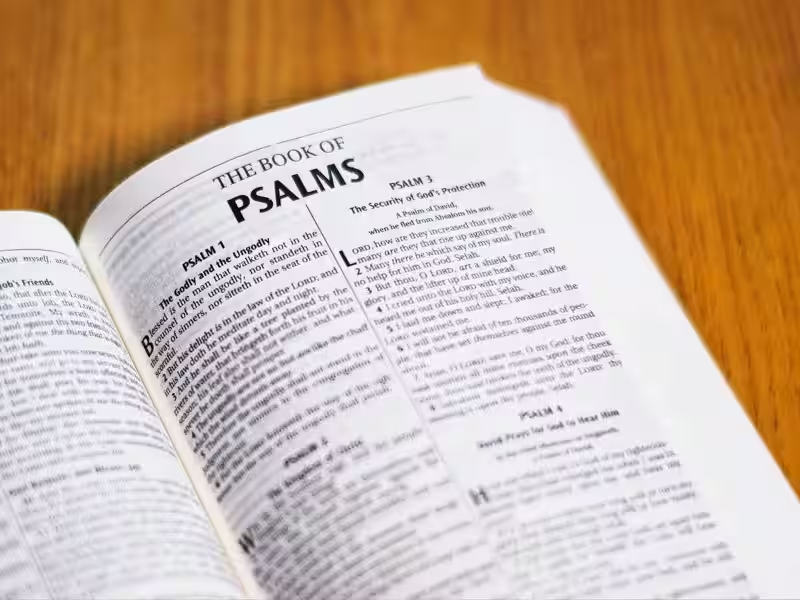
Finding Direction in the Psalms: A Journey of Guidance
Finding Direction in the Psalms: A Journey of Guidance
We all yearn for guidance, for a sense of direction in the labyrinth of life. This yearning is universal, transcending cultures and beliefs. Whether seeking clarity in career decisions, navigating personal relationships, or finding solace in the midst of hardship, the human desire for guidance is a powerful force. The Psalms, a collection of ancient Hebrew poetry, offer an invaluable resource for those seeking this guidance, providing a tapestry of wisdom and solace woven through personal narratives and profound reflections on the divine.
The Psalms aren't just a book of hymns; they are a window into the human spirit's wrestling with faith, doubt, and the complexities of existence. These poetic expressions, spanning centuries, explore a spectrum of human emotions – from joy and gratitude to despair and fear. Within this vast collection, a treasure trove of wisdom emerges, offering tangible guidance for navigating life's ups and downs. This article explores how the Psalms can help illuminate our path and provide practical strategies for finding direction, drawing inspiration from the profound wisdom of generations past.
The Psalms as a Compass: Navigating Life’s Challenges
Imagine life as a vast, uncharted sea. A compass is essential for finding the right course. The Psalms act as that compass, guiding us through stormy seas and calm waters alike. They offer potent reminders of the importance of trusting in a higher power, especially when storms rage. Psalm 23, for example, provides powerful imagery of the Lord as our shepherd, leading us through the valleys and the mountains of life. This passage reminds us to seek solace in God's presence, not to fear the unknown.
Furthermore, the Psalms provide a framework for reflection. Through these poetic expressions, we gain insights into our own emotions and experiences. Contemplating the Psalms can help us understand our struggles, identify patterns in our behavior, and develop a greater self-awareness. For instance, Psalm 139 speaks to the profound knowledge God has of us, offering a sense of profound belonging and reassurance. This personal connection can offer peace and clarity in making decisions, particularly during times of uncertainty.
Seeking Wisdom and Understanding: The Psalms as a Mirror
The Psalms are more than just words; they are expressions of the human condition. They reveal the common experiences of humanity, from the overwhelming feelings of despair to the profound joy of connection. The Psalms offer us an opportunity to see ourselves reflected in these poetic narratives. Consider Psalm 119, a testament to the importance of God's word as a guiding light. The psalm emphasizes the power of scripture to inform our actions, fostering wisdom and understanding.
By studying the Psalms, we can gain specific insights into our own journeys. For example, Psalms that express anger and frustration can help us acknowledge these difficult emotions without judgment. Conversely, Psalms of thanksgiving and praise can help us cultivate gratitude and positive emotions. Just as importantly, the Psalms can help us understand our own limitations and the need for divine guidance in making difficult decisions. This process of self-reflection can be profoundly empowering, ultimately leading to greater clarity and direction in our lives. By addressing the full spectrum of emotions, the Psalms also serve as a mirror, reflecting the depth and complexity of the human experience.
Practical Applications: Finding Guidance in Everyday Life
How can the Psalms provide practical guidance in our daily lives? Imagine facing a difficult decision – a career change, a relationship challenge, or a personal struggle. The Psalms offer a framework for careful consideration. By meditating on specific passages, like Psalm 37, we can cultivate a mindset focused on patience and trust. This psalm emphasizes the importance of relying on faith during difficult times, helping us navigate obstacles with grace and resilience.
Furthermore, the Psalms can empower us to develop a deeper connection to the divine, fostering a stronger sense of purpose and meaning. This connection can create a foundation for strength when facing life's uncertainties. Using the Psalms as a source of guidance can manifest in various ways, including daily prayer and reflection. Consider incorporating passages that resonate with your current situation into your daily routine, using them to focus your thoughts and feelings. This consistent connection can unlock a wealth of wisdom and direction. Ultimately, the Psalms become a powerful toolkit for personal growth and spiritual development, guiding us toward a more purposeful life.
Frequently Asked Questions about Psalms about Guidance in Religion
What Psalms offer guidance?
Many Psalms offer guidance, including but not limited to Psalms 23 (The Lord is my shepherd), 16 (Preserve me), 37 (Trust in the Lord), 119 (The Law of the Lord), and 91 (Those who dwell in the shelter of the Most High). Specific verses within these Psalms will be more helpful than the whole Psalm in certain instances.
How can I find guidance in the Psalms?
Personal reflection and prayer are key. Consider the circumstances of your life and the message conveyed in each Psalm. Some helpful practices include reading the Psalm aloud, meditating on the words, and pondering how they apply to your situation. You can also consult commentaries and resources from religious leaders.
Psalms offer guidance on a wide range of topics including trust, hope, fear, despair, and challenges within life. There are also psalms that offer guidance on specific situations such as distress, temptation, and perseverance.
Are the Psalms only for religious followers?
The Psalms are a body of religious texts. People of faith often find guidance and comfort in them. However, many people find the Psalms inspirational and insightful, even if they do not adhere to a specific religion.
How can I interpret the Psalms for my own life?
The Psalms are meant to be reflective and personal. The meaning of each Psalm may differ from person to person. Focus on your own experiences and how the words can relate to your situation. It is also helpful to consider the historical and cultural context of the Psalm.