A Commentary on Exodus: God Delivers, Forms, and Leads His People
Quick Answer: This commentary on exodus walks through how God rescues Israel from slavery, reveals His holiness at Sinai, and guides His people through worship, law, and wilderness testing. By tracing each major scene—from the Passover to the tabernacle—you’ll see that Exodus is not only history, but a living pattern of God’s salvation and His call to trust and obey.
Historical backdrop: Israel’s bondage and God’s covenant work
The book of Exodus begins with Israel under oppression in Egypt. Pharaoh’s cruelty threatened not only freedom but the very survival of God’s people. Against that pressure, God heard their cries and acted—first through a promised deliverer, then through plagues that exposed Egypt’s false gods, and finally through a mighty rescue at the Red Sea.
From there, Exodus shifts from deliverance to formation. God did not merely remove Israel from slavery; He began shaping them into a covenant community. At Sinai, the Lord establishes His holiness, gives His law, and teaches Israel how worship and obedience belong together. Even the wilderness journey underscores this: faith is tested by delays, guided by God’s presence, and strengthened through the worship practices He commands.
In a broader sense, Exodus functions as a theological bridge. It connects God’s earlier promises to Abraham with His ongoing plan to redeem and dwell with His people. That is why this Bible commentary on Exodus emphasizes more than events—it highlights God’s character, His covenant faithfulness, and the way redemption produces transformed worship.
Hebrew themes in Exodus: covenant, redemption, and holiness
Exodus is written primarily in Hebrew, and several key theological ideas carry weight through recurring terms. One major concept is covenant—God’s binding relationship with His people. In Hebrew, covenant language often uses roots that emphasize agreement, commitment, and faithful loyalty.
Another major theme is redemption/deliverance language associated with God’s act of rescuing His people from bondage. Exodus also repeatedly stresses holiness: God is set apart, and Israel is called to reflect His distinctness in worship and conduct.
While we may not isolate one single “magic word” for every doctrine, the Hebrew emphasis is consistent: God initiates salvation, God defines worship, and God calls His people to live differently because He has rescued them. In an Exodus devotional commentary, that emphasis helps readers see that law, tabernacle, and festivals are not random rules—they are covenant responses to a saving God.
1) Deliverance begins with God’s sovereign initiative (Egypt to the Passover)
Exodus opens with crisis: Israel is multiplied, yet Pharaoh responds with oppression. The first movement of the narrative is not Israel’s power to escape, but God’s power to rescue. God hears, remembers, and acts—showing that salvation starts with His initiative, not human planning. This is why the beginning of a study of the book of Exodus feels so pastoral: God does not wait until Israel becomes strong; He intervenes while they are weak.
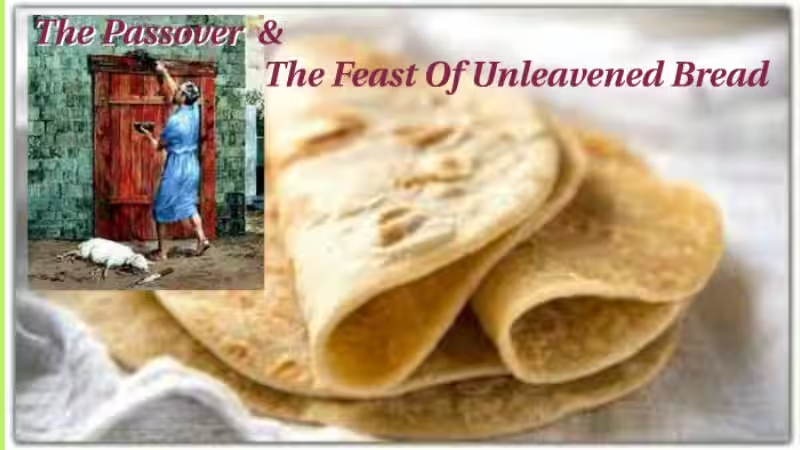
The Passover scene is central. Blood on the doorposts marks God’s judgment and protection. Israel is commanded to prepare and to trust God’s word, even when the outcome seems impossible from Egypt’s perspective. The plagues further demonstrate that Pharaoh cannot compete with the Lord of heaven and earth. Every defeat of Egypt’s power is also a victory for God’s name.
Then comes the climactic exodus—the crossing through the sea. God makes a way where there seems to be none, and Israel learns that deliverance is not only a rescue from an enemy; it is also a rescue into God’s presence. In other words, the Red Sea is both an ending (slavery) and a beginning (a people learning to live with the Lord). This commentary on exodus highlights that salvation always has a destination: worship, obedience, and communion.
2) God forms a covenant people: Sinai, wilderness obedience, and tabernacle worship
After deliverance, Exodus moves into the long work of formation. Sinai is not just a place where rules are given; it is the place where God’s holiness is revealed and Israel learns what it means to belong to Him. The Ten Commandments summarize how covenant life should look—love for God expressed through worship and love for neighbor expressed through justice and integrity.
Yet Exodus also shows that God meets people in their weakness. Israel complains, fears, and forgets quickly. God provides manna, water, and guidance—teaching them dependence day by day. At the same time, obedience is not optional. God’s instructions reveal that worship and ethics belong together. You cannot say, “We trust God,” while refusing His way.
The latter portions of Exodus focus on the tabernacle. God’s dwelling among His people is breathtaking: holiness is not distant; it is present, guarded, and approached by God’s appointed means. The tabernacle’s materials, designs, and priestly service teach Israel that God’s presence requires reverence. Every offering and every ritual becomes a visual gospel lesson—pointing forward to a deeper redemption.
An Exodus devotional commentary would therefore emphasize not only “what happened,” but “what it means”: God delivers to create a holy worshiping community. The wilderness tests faith so that worship becomes more than ritual—it becomes trust in the God who leads.
From history to heart: trust God’s deliverance, then live covenantly
Exodus speaks directly to believers who feel trapped—by sin, fear, circumstance, or spiritual fatigue. The lesson is not that we will always understand the path, but that God is faithful to act and faithful to teach. When you feel powerless, remember that salvation begins with God’s initiative. He hears, He responds, and He leads.
Next, Exodus teaches covenant living. Deliverance is not merely escape; it is transformation. As you study this Bible commentary on Exodus, ask: What is God forming in me? Are my worship and my obedience consistent? Do I treat God’s instructions as optional suggestions, or as covenant love?
Finally, let the tabernacle point you toward reverent worship. God is near, yet He is holy. In practical terms, that means approaching prayer with honesty, confession, gratitude, and expectation. It also means letting your daily life echo worship: honesty in relationships, mercy instead of cruelty, and steadiness instead of complaint.
In short: trust God’s rescue, and then walk in the way He equips.
God grounds the commandments in redemption: “I am the LORD thy God, which have brought thee out of the land of Egypt.”
Exodus 15:13
God’s loving faithfulness is praised for delivering His people with steadfast power.
1 Corinthians 10:1-2
Paul points to the Red Sea and cloud as examples connected to spiritual realities for believers.
Hebrews 8:5
The tabernacle is described as a shadow that teaches about heavenly worship and God’s redemptive pattern.
Romans 6:17-18
Paul connects redemption with freedom from sin’s slavery, echoing Exodus’s deliverance theme.
Frequently Asked Questions
What is the main message of a commentary on exodus?
The main message is God’s saving action followed by God’s forming purpose. Exodus shows deliverance from slavery, revelation of God’s holiness, and the creation of a worshiping covenant community.
Is Exodus mainly about history, or does it have spiritual meaning for Christians?
Exodus is historical, but it is also spiritually instructive. New Testament writers reference Exodus as an example of God’s faithfulness, worship, and deliverance—so Christians can learn how God rescues and then shapes His people.
Why are the plagues and the Passover so important in Exodus?
They demonstrate that God is greater than Egypt’s power and that redemption requires obedience to God’s word. The Passover also foreshadows a deeper pattern of judgment and protection through sacrifice.
How should believers respond to Sinai and the tabernacle today?
Sinai teaches that God’s holiness demands reverent worship and ethical obedience. The tabernacle teaches that God dwells with His people, but access to Him comes through His appointed way—leading believers toward worship grounded in grace and truth.
A Short Prayer
Lord God, thank You for the deliverance You worked in Exodus and for the faithfulness that still leads Your people today. When I feel trapped, teach me to trust Your timing and Your power. When I face tests, form in me obedience that matches my worship. Make my heart reverent and my life consistent with Your covenant love. Guide me by Your presence and draw me closer to You. In Jesus’ name, amen.
Key Takeaway: God’s deliverance in Exodus rescues His people to worship Him in holiness and to live as His covenant community.