Church fundraising ideas that bring people together
Church fundraising ideas that bring people together
The most effective church fundraising ideas combine a clear financial goal, an activity people genuinely want to support, and an easy way to give. Consider a community meal, seasonal market, talent event, online giving campaign, service auction, or recurring donor program.
Choose one primary fundraiser rather than trying to run several at once. A focused campaign gives volunteers a manageable workload, helps your congregation understand the need, and makes it easier to explain how every contribution will be used.
Choose a church fundraiser that fits your goal and congregation
Start by defining the need in plain language. “Raise $8,000 for roof repairs” gives people a more concrete reason to participate than “support church projects.” A specific goal also helps you select the right format, estimate costs, and measure progress.
Next, consider your congregation’s time, skills, age groups, and community connections. A church with skilled cooks may do well with a dinner, while a congregation with strong youth programs might organize a walkathon, car wash, or service challenge. The best idea is usually one your volunteers can deliver confidently.
For a building project: use a capital campaign, benefit concert, pledged giving challenge, or community open house.
For missions or local relief: consider a meal, craft sale, service auction, donation drive, or sponsored activity.
For youth programs: try a car wash, fun run, talent show, game night, or seasonal sale.
For urgent needs: use a short online campaign with frequent, factual updates and a clear deadline.
For ongoing ministry expenses: invite recurring monthly gifts and explain the regular costs they help cover.
Think about whether the fundraiser should primarily generate money, build relationships, or increase awareness. A pancake breakfast may produce a modest net amount but bring neighbors into the church. An online appeal may raise more quickly but offer fewer opportunities for personal connection.
Planning principle: Set a fundraising target based on the amount you need to keep after expenses, not simply the amount you expect to collect. A $5,000 gross goal is not enough if food, permits, equipment, and payment fees will cost $1,000.
Before announcing a date, make a simple budget. List expected income, direct expenses, payment processing costs, insurance or permit fees, supplies, and a small contingency amount. This prevents a popular event from producing less money than expected.
Event-based church fundraising ideas for strong community participation
Events work well when people receive a worthwhile experience as well as an opportunity to give. Keep the format simple, price it fairly, and make the purpose visible without turning the gathering into a sales pitch.
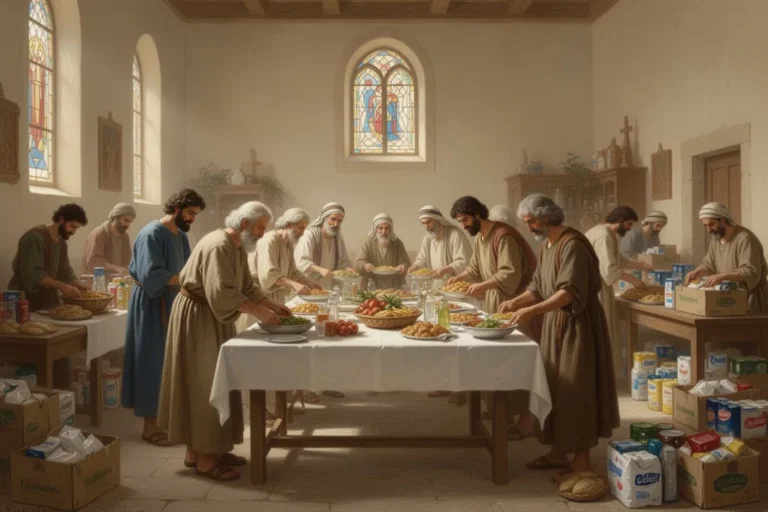
Community meals and food-centered events
A community dinner, pancake breakfast, chili cook-off, or international food night can attract church members and neighbors. Sell tickets in advance, offer a suggested donation at the door, and provide a way for people to contribute even if they cannot attend.
Food events require careful organization. Assign separate teams for menu planning, food preparation, serving, cleanup, ticketing, and financial counting. Follow local food-safety rules, especially if food is prepared in private homes or sold to the public.
A bake sale can be improved by accepting preorders for pies, holiday cookies, bread, or specialty desserts. Preorders reduce waste and give volunteer bakers a clearer production target. Label common allergens and offer a few items that meet dietary needs when practical.
Sales, markets, and seasonal activities
A church rummage sale can raise money while helping families clear usable items from their homes. Set donation guidelines before collecting anything, recruit enough people for sorting, and arrange for leftover goods to be donated or responsibly discarded instead of creating a second cleanup problem.
Other useful formats include a holiday market, plant sale, book sale, craft fair, or auction of donated goods. Ask local businesses to contribute gift cards, services, or products. Keep records of donated items and communicate that donations are voluntary and subject to the campaign’s stated purpose.
Seasonal activities can create a recognizable annual tradition. Examples include a fall festival, Christmas craft market, Easter basket sale, summer ice cream social, or spring garden sale. Choose activities that match the church calendar and leave enough time for volunteers to prepare without creating exhaustion.
Participation-based events
Walkathons, bike rides, fun runs, bowl-a-thons, and sponsored service days encourage participants to collect pledges from friends and relatives. Provide a simple pledge form or online fundraising page, set safety guidelines, and make participation accessible for people with different physical abilities.
A talent show, benefit concert, trivia night, or community game night can generate income through tickets, concessions, sponsorships, and a voluntary giving moment. Avoid relying on one revenue source. A low ticket price combined with refreshments and a silent auction may be more welcoming than an expensive admission fee.
A service auction is another flexible option. Congregation members can offer lawn care, tutoring, home-cooked meals, sewing, technology help, pet sitting, or handyman work. The church should explain that services are offered voluntarily, establish reasonable expectations, and avoid presenting unqualified work as professional service.
Low-cost church fundraising ideas that use existing skills
Not every campaign needs a large venue, expensive equipment, or a complicated ticketing system. Low-cost fundraisers often succeed because they use resources the church already has: meeting rooms, kitchens, volunteers, musicians, teachers, gardeners, and people with useful practical skills.
Car wash: choose a visible location, confirm permission, provide shade and water, and display a suggested donation.
Talent or variety show: sell affordable tickets, invite local performers, and add refreshments or a voluntary offering.
Church yard sale: organize donations by category, price items clearly, and advertise the date well in advance.
Workshop series: offer classes such as cooking, crafts, music, budgeting, gardening, or basic technology for a modest registration fee.
Community cleanup: invite households to sponsor a team that removes litter, clears leaves, or improves a shared public area.
Gift-wrapping station: provide the service during a busy shopping season in exchange for donations.
Recipe book: collect tested recipes from members, design the book simply, and sell printed or digital copies.
Workshops are especially useful when members have teachable skills. A retired teacher might lead a reading session, a gardener might teach seed starting, or a musician might offer beginner lessons. Charge a reasonable registration fee, limit class size, and make sure the instructor understands whether the payment is a donation, reimbursement, or honorarium.
A church cookbook can become more than a sales item when it includes short stories about family traditions or community meals. Ask contributors for permission before publishing their names, photographs, or recipes. Offer preorders so you do not print more copies than supporters are likely to buy.
For a neighborhood cleanup, contact the relevant local authority before choosing a site. Provide gloves, bags, water, first-aid supplies, and clear instructions. Donations can be collected from participating households, local sponsors, or people who want to support the project but cannot attend.
Keep participation welcoming: Use suggested donation amounts instead of making people feel excluded by a fixed price when possible. Offer nonfinancial ways to help, such as setup, transportation, promotion, photography, cleanup, or sharing the campaign online.
Low-cost does not mean unplanned. Create a written volunteer schedule, name one person responsible for each major task, and decide how cash, checks, and digital payments will be handled before the event begins.
Online and recurring church fundraising ideas
Online giving helps supporters contribute when they cannot attend an event. A strong digital campaign uses a specific purpose, realistic target, deadline, and easy donation process. The donation page should work well on a phone and explain whether gifts are one-time or recurring.
Use email, social media, the church website, printed announcements, and personal conversations to share the campaign. Do not post only one appeal. Explain the need at launch, provide a progress update, share a ministry story that protects people’s privacy, and report the outcome after the campaign ends.
Digital campaigns that have a clear purpose
A 30-day campaign can support a defined project such as replacing outdated equipment, funding summer youth programming, purchasing winter supplies for a shelter, or covering transportation for a mission activity. Break the target into understandable milestones, such as the number of meals, scholarships, repairs, or care packages the money will support.
A matching gift challenge can encourage action if a donor, family, business, or foundation has genuinely committed to match contributions. State the matching terms accurately, including the deadline and maximum amount if one exists. Never imply that gifts will be matched when the commitment has not been confirmed.
Peer-to-peer fundraising allows members to create personal pages and invite friends to support the church’s project. Provide them with approved wording, images, campaign facts, and answers to common questions. This helps protect the church’s reputation and keeps the message consistent.
Recurring giving and donor clubs
Recurring donations can make monthly ministry expenses easier to plan. Invite supporters to give automatically at an amount that fits their budget, but avoid suggesting that one amount is spiritually or morally superior to another. Explain how recurring gifts can be changed or canceled.
A donor club can recognize people who support a particular ministry each month, but recognition should respect privacy. Some donors may prefer anonymity. Instead of publishing names, consider sending a periodic private update, handwritten note, or invitation to a ministry briefing.
For every online system, review payment processing fees, deposit timing, donor receipts, data protection, and administrative access. Limit access to financial information, use strong passwords, and establish a process for reconciling online gifts with the church’s accounting records.
How to plan, promote, and run a church fundraiser
A small planning team can turn a good idea into a dependable campaign. Include someone who understands the ministry need, someone comfortable with budgets, someone who can coordinate volunteers, and someone who can communicate clearly with the congregation and community.
Define the purpose: write one sentence explaining what the money will fund and why it matters now.
Set the net goal: calculate the amount needed after expected costs, fees, and other income.
Select the format: choose an event or campaign that matches your audience, timeline, skills, and available space.
Build the budget: list projected income, expenses, donated materials, and a contingency amount.
Assign responsibilities: give each major task one named leader and a clear deadline.
Promote consistently: use a short message that includes the date, location, cost or suggested donation, purpose, and registration method.
Reconcile and report: count funds with appropriate oversight, record expenses, and share the results with supporters.
Promotion should begin early enough for people to plan, but not so early that the event is forgotten. Use a basic communication schedule: an announcement, a reminder, a final practical message, and a follow-up report. Include details such as parking, accessibility, child supervision, dietary options, and acceptable payment methods.
Tell volunteers exactly what success looks like. “We need four people from 8 to 10 a.m. to set tables” is more effective than “Volunteers needed.” Give them a contact person, arrival time, clothing guidance, and instructions for training or supplies.
Use a simple registration method for events with limited capacity. A sign-up sheet, online form, or ticket platform can show expected attendance and reduce last-minute confusion. Keep a small number of spaces available for people who hear about the event late, if your venue allows.
At the event, make the giving process visible but low pressure. Place a donation station near the entrance or exit, provide a QR code and a short URL, and designate volunteers to answer questions. Never leave cash unattended, and use two-person counting procedures consistent with your church’s financial controls.
Build trust after the fundraiser ends
Supporters want to know what happened to the money they helped raise. Within a reasonable period, share the gross income, major expenses, net amount, and next step. Exact figures are helpful, but do not disclose private donor information or personal details about people receiving assistance.
A follow-up message can include a photograph of volunteers at work, a progress update on a repair, or a general description of how a ministry benefited. Get permission before using identifiable images, especially photographs of children or people receiving aid.
Thank everyone who contributed time, money, goods, space, transportation, and promotion. Personal notes are appropriate for major volunteers and donors, while a public thank-you can recognize the broader community. Do not make gratitude dependent on the size of a gift.
Review the campaign while the details are fresh. Ask:
Did the fundraiser reach its net goal?
Which expenses were higher or lower than expected?
Did volunteers have clear instructions and reasonable workloads?
Could people participate through more than one payment method?
What questions or complaints came up?
Would the church repeat, revise, or retire the idea?
Use the answers to improve the next campaign. If an event raised less money than expected but created strong community relationships, it may still have value as an outreach activity. If a profitable event depended on a few exhausted volunteers, redesign it before repeating it.
Church fundraising works best when it reflects the congregation’s values: honesty, hospitality, stewardship, and care for people. A clear purpose, responsible financial handling, and respectful communication can turn a single fundraiser into lasting support for the work your church is trying to do.
Frequently asked questions
How do we choose the best church fundraiser for our congregation?
Match the fundraiser to your goal, volunteer capacity, audience, timeline, and available resources. A food event may suit a congregation with cooking skills, while an online campaign may be better for an urgent need. Estimate the net income and workload before committing. The most profitable idea on paper is not always the most practical or sustainable choice for your church.
How can a small church raise money without spending much upfront?
Use existing facilities, volunteer skills, donated supplies, and free communication channels. Workshops, service auctions, yard sales, community cleanups, and sponsored activities can have low startup costs. Ask businesses for in-kind donations rather than cash when appropriate, and use preorders or registration fees to avoid buying supplies before you know demand.
Should a church use fundraising platforms for online donations?
A platform can simplify payment collection, receipts, recurring gifts, and campaign sharing, but compare its fees, deposit schedule, data practices, and administrative controls first. Make sure the account belongs to the church or an authorized organization, and reconcile platform reports with church records. Always provide an alternative giving method for people who prefer checks or cash.
How should a church report fundraising results?
Share the original goal, total income, significant expenses, net amount raised, and how the funds will be used. Give the update through the same channels used for promotion, such as announcements, email, or the church website. Protect donor privacy and avoid identifying people who received assistance unless they have given clear permission.











Leave a Reply