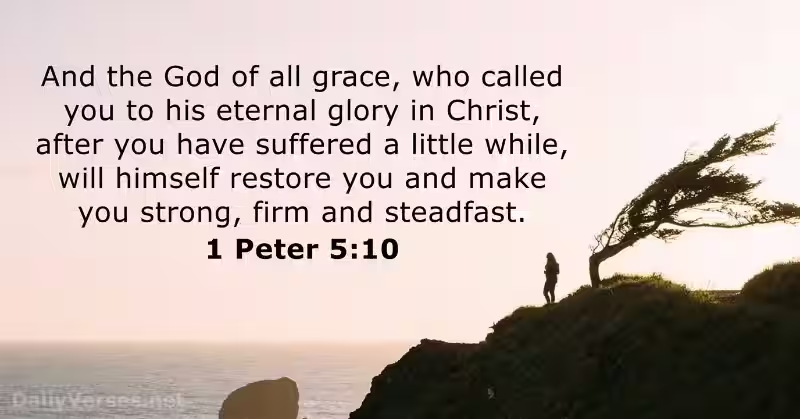
The concept of long suffering in the Bible is more than just patience; it’s a profound theological idea deeply intertwined with the nature of God and our human experience. It’s about enduring hardship, responding with grace under pressure, and trusting in divine timing. This isn’t simply about putting up with adversity. It’s about acting with unwavering faith and hope, even when the path seems arduous.
Think of long suffering as a powerful lens through which to view the biblical narratives. From the trials of the Israelites in the wilderness to the struggles of Jesus himself, the concept of long suffering is a recurring theme. This allows us to see the human condition in a new light, providing a framework for understanding our own challenges and the divine response to them. Ultimately, it’s about recognizing the power of perseverance and the unwavering nature of God’s love. Examples abound in the Bible, from Noah’s patience during the flood to Job’s ordeal, illustrating this multifaceted concept.
The idea of long suffering emerges from the very essence of God’s character. Through the Old Testament and the New Testament, we see God’s patience and mercy manifest in countless ways. God’s long suffering isn’t simply a passive trait; it’s an active force that motivates His actions and interactions with humanity. He doesn’t abandon us when we fall. He gives us time to recognize our mistakes and to grow.
This concept is intimately connected to God’s justice. His long suffering allows for repentance and transformation. Imagine a parent patiently waiting for a child to learn from their mistakes. That’s a simplified representation of God’s long suffering, an active, involved presence in our lives. This concept helps us understand the importance of grace, forgiveness, and the gradual process of spiritual development.
Long Suffering and Our Daily Lives
Long suffering isn’t just a theological construct; it’s a practical tool for navigating the complexities of life. In our daily lives, we encounter various challenges and trials. Sometimes, these struggles feel overwhelming, leaving us questioning our faith. Drawing upon the biblical examples of long suffering, we can find strength and resilience to endure.
Applying this concept, we can understand the importance of patience in our relationships. Long suffering teaches us to respond with grace rather than anger or resentment, even when faced with difficult situations. Think of a friend going through a tough time. Long suffering encourages us to offer support and understanding, rather than judgment or impatience. Examples include: patiently listening to others, persevering through difficult relationships, and choosing to forgive rather than hold onto grudges.
Long Suffering and the Nature of God
Understanding long suffering offers profound insights into the nature of God. God’s long suffering is a testament to His immeasurable grace and mercy. It demonstrates His willingness to work with us, to offer opportunities for growth and transformation. He waits for us to turn to Him. This compassion fuels our hope and strengthens our faith.
The concept of long suffering is closely tied to God’s everlasting love. He’s not a harsh judge, but a patient teacher. He desires our redemption, not our punishment. Think of a loving parent forgiving a child, understanding that they will make mistakes and need guidance. This is analogous to God’s long suffering. This understanding of God’s character helps us to embrace our own imperfections and strive for spiritual growth.
The concept of long suffering in the Bible is a powerful message of hope and resilience. It teaches us the importance of patience, grace, and faith, even in the face of hardship. It reminds us that God is with us through every step of our journey. By understanding and applying the principles of long suffering, we can navigate life’s trials with a renewed sense of hope and a deeper understanding of the divine.
By reflecting on God’s long suffering, we can develop a stronger personal relationship with Him. This deepens our spiritual resilience and strengthens our ability to navigate life’s challenges with hope and perseverance. It’s a reminder that God’s love and presence is an enduring force, even amidst our struggles and mistakes.
Frequently Asked Questions
What is the “Long Suffering Bible”?
There is no widely recognized or established “Long Suffering Bible.” The term likely refers to a specific interpretation or focus on a particular aspect of biblical texts related to patience and endurance.
What does religion mean?
Religion is a complex concept encompassing beliefs, practices, values, and experiences related to the sacred, often involving a higher power, spiritual beings, or a set of moral codes.
What are some common themes in religious texts?
Common themes in religious texts include creation, morality, the human condition, salvation, and the nature of the divine.
How do different religions view suffering?
Different religions offer varying perspectives on suffering, often linking it to tests of faith, karmic consequences, or the inherent nature of the world. Some religions emphasize the importance of resilience and perseverance in the face of hardship.
Faith, in many religions, is the belief in something unseen or beyond empirical proof. This belief often underpins the practice and understanding of the religion.
How do religious beliefs influence people’s lives?
Religious beliefs can profoundly influence people’s lives by shaping their moral compass, providing meaning and purpose, and fostering community.
What are some of the different types of religious practices?
Religious practices vary widely, encompassing rituals, ceremonies, prayer, meditation, and acts of service or charity.