Long Suffering in Religion: A Journey Through Patience and Faith
Long Suffering in Religion: A Journey Through Patience and Faith
Long suffering, a concept woven deeply into the tapestry of numerous religions, often evokes images of unwavering endurance in the face of hardship. It's not simply tolerating difficult situations; it's a proactive choice to maintain hope and faith, even when the path seems arduous and uncertain. We see this in the trials of saints and prophets, in the experiences of everyday believers, and in the very nature of divine patience. This exploration delves into the significance of long suffering in various religious traditions, examining its practical implications and offering a supportive framework for navigating life's challenges with resilience.
Long suffering isn't passive resignation; it's an active, often spiritual practice. It's about seeking strength within, finding comfort in belief, and understanding the bigger picture. This understanding often comes from recognizing that the journey may involve trials and tribulations. Think of the biblical stories of Joseph or Job – their lives were filled with unprecedented hardship. Yet, through their unwavering faith and long suffering, they ultimately emerged transformed, demonstrating the profound impact that this virtue can have on the human spirit. Practicing long suffering encourages a shift in perspective, from focusing on the immediate pain to embracing a greater purpose.
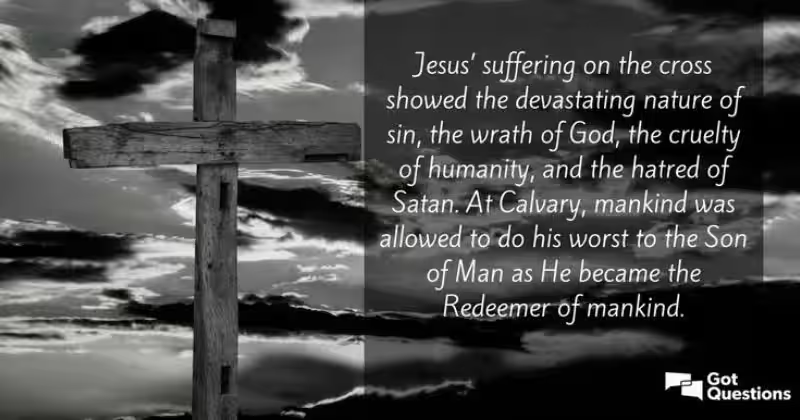
The concept of long suffering manifests differently across various religious traditions. In Christianity, it's often linked to the suffering and sacrifice of Jesus Christ. This act of long suffering exemplifies the depths of divine love and the ultimate triumph over adversity. This narrative shows us that perseverance and faith can lead to spiritual growth and ultimately, to redemption. Other examples include the struggles of prophets and saints throughout history. Their stories offer hope and guidance for navigating our own challenges.
In Buddhism, long suffering is often viewed through the lens of impermanence and detachment. Suffering is seen as an unavoidable part of the human condition, but through understanding and acceptance, individuals can cultivate inner peace and wisdom. This concept encourages us to recognize the transient nature of life's joys and sorrows. By detaching from attachments, we lessen the impact of suffering. This perspective encourages a thoughtful approach to difficulties, understanding them as temporary events. This leads to a stronger mental and spiritual resilience.
Long Suffering and Personal Growth
Long suffering, when embraced, can be a potent catalyst for personal growth. It's an opportunity for self-reflection, understanding, and strengthening our connection to our spiritual beliefs. When we confront challenges with resilience, we are able to learn valuable lessons. This can lead to a deeper understanding of ourselves, our faith, and our relationships. Examples include individuals struggling with illness, financial hardship, or relationship difficulties. They demonstrate that long suffering can be the crucible in which character is forged.
By embracing long suffering, we cultivate qualities like patience, compassion, and forgiveness. These attributes are not only beneficial in our personal lives but also in our relationships with others. Imagine facing a challenging situation with unwavering patience. This, in turn, can foster a deeper sense of self-compassion and empathy for those around us. It can also strengthen our social connections by allowing greater tolerance and understanding. This fosters personal development and creates a more compassionate world.
Practical Applications of Long Suffering
Long suffering is not merely an abstract concept; it's a practical tool for navigating life's complexities. It can help us to respond to conflict with grace, manage disappointment with equanimity, and forgive others with compassion. For example, imagine a disagreement with a loved one. Employing long suffering could lead to a more understanding and productive conversation, fostering a stronger relationship in the long term. The concept can promote mindfulness in daily life, helping us to see situations from a broader perspective. In turn, this fosters emotional regulation and resilience.
Practical applications for long suffering extend to daily life, reminding us to be patient with ourselves during moments of struggle. Whether it's a challenging project at work or a difficult conversation with a friend, long suffering can help us find inner peace and understanding. It's about embracing life's complexities with serenity. It also helps us see the potential for growth in every situation. It is about fostering a mentality of acceptance and resilience. This helps to build a more positive and fulfilling life.
Frequently Asked Questions
What is long suffering?
Long suffering, or patience, is the ability to endure hardship, adversity, or provocation without resentment or retaliation. It involves maintaining a calm and peaceful demeanor even when faced with difficult situations.
How is long suffering related to religion?
Many religions emphasize long suffering as a virtue. It's often seen as a demonstration of faith, trust in divine providence, and a willingness to accept the will of a higher power. It can also be a means of spiritual growth and overcoming personal weaknesses.
Does long suffering mean I should passively accept injustice?
No. Long suffering does not equate to passive acceptance of wrongdoing. It's about responding to injustice with calmness and wisdom, rather than resorting to anger or retaliation. It's about persevering through challenges with faith and hope that justice will prevail in due time.
How can I cultivate long suffering in my life?
Cultivating long suffering involves practicing mindfulness, developing empathy, and focusing on inner peace. Prayer, meditation, and reflection can be helpful tools. It also involves recognizing that not all situations require immediate action and that some challenges require time and patience to resolve.
What are some examples of long suffering in religious texts?
Many religious figures and stories exemplify long suffering. For instance, the biblical stories of Job, Abraham, and the prophets often illustrate enduring hardship as a test of faith. Likewise, various saints and figures in other religious traditions demonstrate similar resilience in the face of adversity.