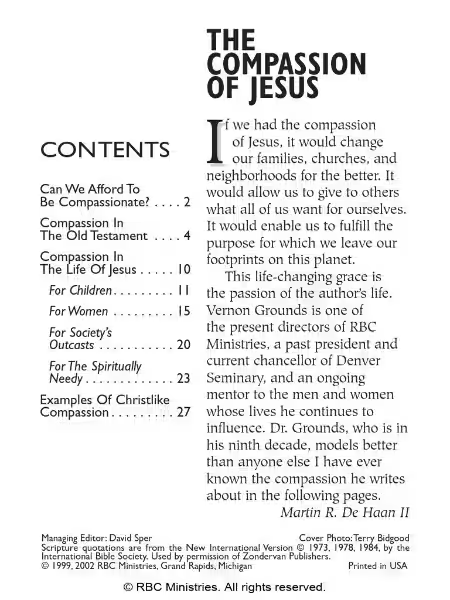
Compassion: The Heart of Jesus's Message and Its Relevance Today
Compassion: The Heart of Jesus's Message and Its Relevance Today
Jesus, a central figure in Christianity, is renowned for his profound compassion. His actions and teachings demonstrated a deep empathy for the marginalized and suffering. Compassion, in essence, is the ability to understand and share the feelings of others, a quality that resonates deeply with humanity's inherent desire for connection and understanding. This article explores the concept of compassion in Jesus's teachings and examines its enduring relevance in today's world.
Jesus's compassion wasn't just an abstract concept; it was a tangible force that drove his actions. He interacted with people in a way that demonstrated a deep understanding of their struggles. He healed the sick, fed the hungry, and forgave sinners. These actions were not simply acts of charity; they reflected a deep commitment to alleviating suffering and empowering the vulnerable. For example, consider the parable of the Good Samaritan; it highlights the importance of compassion towards even those considered outsiders.
The Teachings of Jesus and the Practice of Compassion
Jesus's teachings emphasize the importance of compassion as a core value in interpersonal relationships. He didn't just preach about compassion; he showed it through his actions and words, offering a profound example for followers. Key aspects of his teachings include: loving one's neighbor as oneself, seeking justice for the oppressed, and extending mercy to all. These principles, rooted in compassion, invite us to evaluate our own actions and relationships with others.
These teachings are not theoretical; they are practical guides for living a life focused on empathy. Imagine a world where people consistently practiced compassion in their daily interactions. Such a world would undoubtedly be a more just and harmonious place. Think about how compassion could be practiced in simple acts, like actively listening to someone with a problem, or offering support to a classmate struggling with a difficult situation. These small actions can significantly impact the individual and the community.
Compassion and Religion: A Timeless Connection
Compassion is not unique to Christianity; it's a fundamental human value found in many religions and philosophies throughout history. Many faith traditions emphasize the importance of caring for the less fortunate and demonstrating empathy. This shared emphasis on compassion underscores its universal appeal and importance in navigating the complexities of human experience. For instance, Buddhist teachings emphasize compassion as a path to enlightenment and inner peace. Likewise, many humanist perspectives emphasize the importance of compassion for creating a more just and equitable society.
However, religion can sometimes inadvertently contribute to feelings of division or judgment. It's essential to remember that compassion, as exemplified by Jesus, transcended religious boundaries. True compassion acknowledges the inherent worth and dignity of every human being, regardless of their background or beliefs. This understanding fosters empathy and encourages us to connect with others on a deeper level, promoting understanding and unity. By prioritizing compassion, we can cultivate a more harmonious and supportive environment for everyone.
Compassion in a Modern World: Applying Jesus’s Teachings
Jesus's teachings on compassion remain as relevant today as they were two thousand years ago. In a world plagued by inequality, conflict, and suffering, compassion offers a vital pathway towards understanding and reconciliation. We can apply the principles of compassion in many ways in our daily lives: volunteering time, donating to charitable causes, or simply offering a listening ear to someone in need. By extending compassion to others, we are reflecting the values that Jesus embodies.
Practical examples of compassion in action can be found in many communities: local food banks, shelters for the homeless, and support groups for individuals experiencing mental health challenges. These initiatives, fueled by compassion, demonstrate the tangible impact of applying Jesus's message of empathy and concern for the vulnerable. Our own actions, informed by compassion, can contribute to a more just and compassionate world.
Compassion: A Call to Action
The message of compassion, as exemplified by Jesus, is a powerful call to action. It calls us to look beyond differences and recognize the shared humanity that unites us. We are all interconnected. This interconnection demands that we strive to understand and share the burdens of others, fostering a sense of community and empathy. By embracing compassion, we actively participate in creating a more just, equitable, and compassionate world. The journey of compassion is ongoing, and the lessons of Jesus continue to inspire us to act with empathy and understanding.
Ultimately, compassion is not just a religious concept; it's a fundamental human value. By understanding and embracing Jesus's example of compassion, we can find hope, direction, and inspiration to live more meaningful and fulfilling lives, fostering positive relationships and contributing to a better society.
Frequently Asked Questions
What is compassion in Jesus' teachings?
Compassion in Jesus' teachings involves empathy, sympathy, and concern for others, especially the marginalized and vulnerable. It's about actively seeking to alleviate suffering and promote well-being.
What is the role of religion in compassion?
Different religions emphasize compassion in varying ways. Some religions believe compassion is a central tenet, while others focus on it as part of a larger framework of ethical and spiritual principles. The role of religion often involves providing a framework for understanding, expressing, and acting upon compassion.
Practicing compassion involves actively listening to and understanding others' experiences, offering support and empathy, and taking concrete actions to alleviate suffering. This can involve acts of service, kindness, and forgiveness.
What are the common misconceptions about compassion?
Some common misconceptions about compassion include that it's weakness, that it's only for specific groups, or that it's a solely religious concept. Compassion is a strength, can be extended to everyone, and is a valuable human quality regardless of belief system.
How does compassion relate to forgiveness?
Compassion and forgiveness often go hand-in-hand. Compassion involves understanding the motivations behind actions, even harmful ones, and forgiveness involves releasing the hurt or anger associated with those actions. Forgiveness is often a crucial part of cultivating compassion.