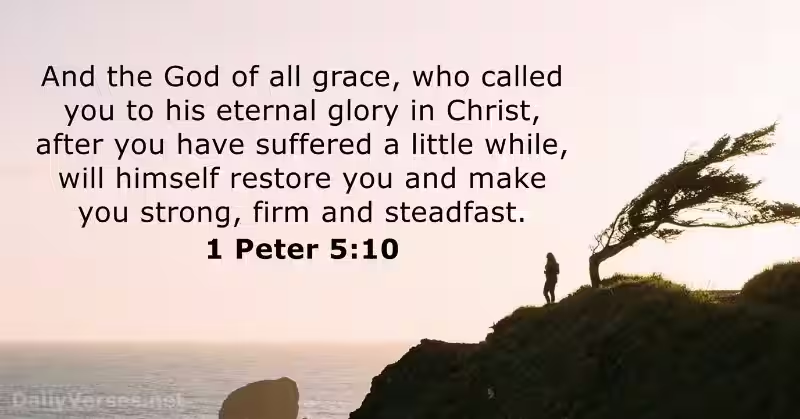
We all experience moments of frustration, anger, and impatience. We want things to happen now, to be resolved quickly. But often, life doesn’t unfold in the way we expect. This is where the concept of “long suffering” from scripture comes into play. It’s not about passively accepting injustice, but rather a proactive, empathetic approach that recognizes the complexities of human nature and the divine timing of events. Long suffering, as highlighted in numerous religious texts, emphasizes patience, understanding, and a willingness to endure difficulties without losing sight of faith.
Consider the biblical story of Joseph. Facing betrayal and imprisonment, Joseph demonstrated remarkable long suffering. He didn’t retaliate against his brothers, instead choosing to forgive and demonstrating grace. This example illustrates how long suffering isn’t about avoiding hardship, but about navigating it with faith and hope. This perspective offers a crucial framework for dealing with our own trials and tribulations. Understanding this principle can lead to greater resilience in the face of adversity, and equip us to navigate life’s complex journeys.
The concept of long suffering is deeply rooted in many religious traditions. It’s a testament to the belief in a higher power and the intricate nature of divine design. “Be patient therefore, brethren, until the coming of the Lord” (James 5:7) highlights the importance of waiting patiently on God’s timing. This isn’t passivity, but active faith, trusting in God’s plan even when it’s unclear or seems delayed. Examples of long suffering are found throughout the Hebrew Bible and the New Testament, showcasing the heroes’ faith and unwavering devotion.
This concept is not limited to individuals, but applies to communities as well. Consider the Israelites’ journey in the desert where they experienced hardship and testing. Their commitment, despite numerous challenges, underscores the importance of enduring faith. This teaches us that long suffering can be a collective experience, with a community supporting one another as they face difficult times, drawing strength from shared faith and a hopeful future.
Understanding Long Suffering as a Virtue
Long suffering isn’t simply about tolerating unpleasant situations. It’s an active virtue that involves compassion, empathy, and understanding. “Be kind and compassionate to one another, forgiving each other, just as in Christ God forgave you.” (Ephesians 4:32) Cultivating long suffering encourages us to view others with grace, acknowledging their struggles and imperfections. This means being willing to offer forgiveness, even in the face of hurt or betrayal. Imagine a situation where a friend makes a mistake; long suffering motivates us to offer understanding and support, rather than judgment.
Furthermore, long suffering fosters patience and humility. It encourages us to recognize that our own perspectives are not always accurate and that there are often factors we don’t understand. It emphasizes our need to trust in a higher power, accepting that solutions to our problems, and the problems of others, may not be immediately apparent. This approach fosters a deeper understanding of the interconnectedness and complexity of human relationships.
Practical Applications of Long Suffering
We can apply the principles of long suffering to various aspects of our lives. In relationships, it promotes forgiveness and understanding in the face of disagreements. In personal challenges, it instills perseverance and hope during difficult times. In our daily interactions with others, long suffering cultivates empathy and compassion, enabling us to navigate conflicts with grace. For instance, if someone is struggling with a personal issue, long suffering guides us to be patient, supportive, and understanding.
Cultivating compassion and empathy within our daily routines.
Ultimately, incorporating long suffering into our daily lives enables us to create more harmonious and fulfilling relationships. It fosters a deeper connection to a higher power and strengthens our own faith in the face of adversity.
Frequently Asked Questions
What does scripture mean by “long suffering”?
In scripture, “long suffering” refers to God’s patience and endurance in dealing with humanity’s imperfections and disobedience. It’s not a passive waiting, but an active patience that allows for repentance and change. It demonstrates God’s love and desire for reconciliation.
How does long suffering relate to my faith?
Long suffering in faith encourages perseverance through trials and challenges. It reminds us that God’s timing is often different from our own and that His plans are ultimately good. Practicing long suffering also allows us to extend compassion and understanding to others.
How does the concept of long suffering relate to religion in general?
Many religions emphasize patience and compassion as core values. Long suffering is often associated with divine attributes, like mercy and forgiveness, and highlights the importance of allowing others time and space to grow and change, mirroring the divine example.
Does long suffering mean God is weak or slow to act?
No. Long suffering emphasizes God’s strength and power in choosing to act with patience and mercy, not weakness. It speaks to God’s ability to wait for the right moment and avoid impulsive or rash actions.
What are some practical ways to practice long suffering in my daily life?
Practicing long suffering involves patience in relationships, understanding in disagreements, and forgiveness in offenses. It involves recognizing that growth and change take time, and trusting that God is working even when we don’t see it.