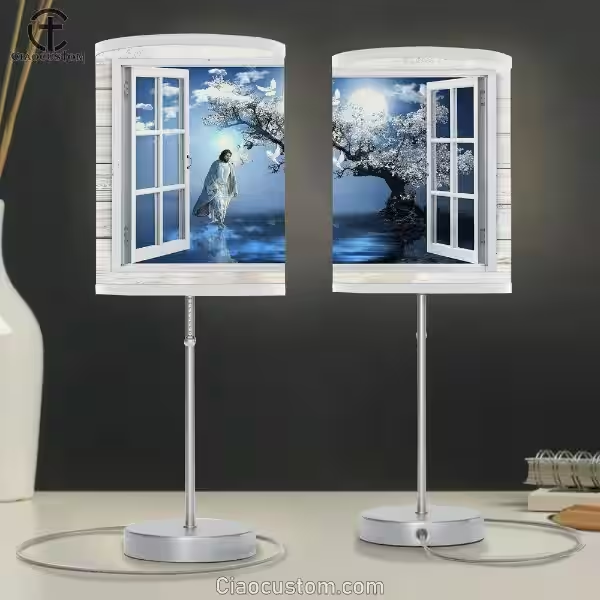
In a world brimming with distractions, finding moments of quiet contemplation can feel like a distant star. The simple act of lighting a Bible lamp can be a powerful catalyst for connecting with faith and fostering a deeper spiritual life. This gentle glow, often imbued with symbolic meaning, can transform a simple task into a profound ritual. It’s a reminder of the illuminating light of scripture and the enduring power of prayer within a home.
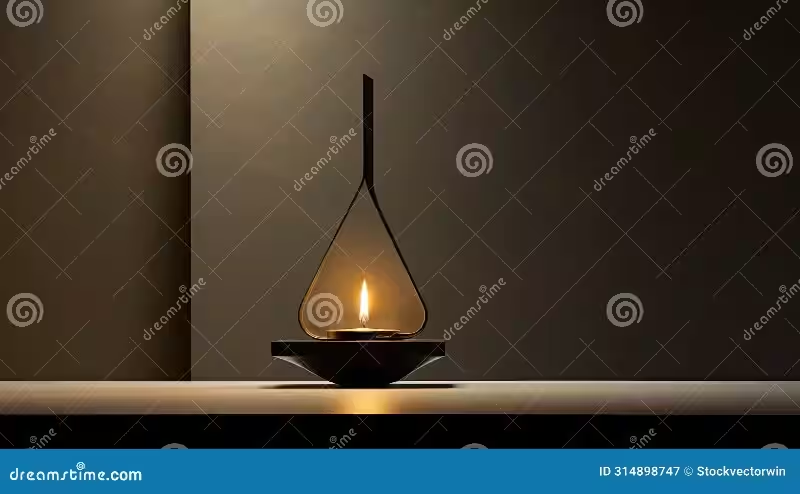
Imagine the warmth of a flickering flame, casting gentle shadows across your study or bedside table. This image embodies the essence of the Bible lamp, a tangible representation of the spiritual light that scriptures offer. Its presence can evoke feelings of peace, hope, and a connection to the divine. Many view it as a symbol of the Holy Spirit guiding us through life’s journey, much like a lighthouse serves as a beacon in stormy seas. This physical representation also encourages a deeper engagement with the scriptures, inviting quiet reflection and contemplation.
Beyond the Physical: The Spiritual Implications of a Bible Lamp
The Bible lamp transcends its physical form, acting as a potent symbol for many believers. It can represent the illumination of God’s word, casting away darkness and dispelling doubt. Furthermore, it can symbolize the inner light that faith ignites within us, guiding our path and illuminating our understanding of the world. For instance, imagine a family using a Bible lamp to read scriptures together, forging a stronger bond through shared faith.
In many religious traditions, lighting a candle or lamp is a symbolic act, signifying a dedication to prayer and devotion. Lighting a Bible lamp before studying the Bible can create a space for focused reflection. It acts as a physical reminder of the importance of seeking wisdom and guidance from the scriptures. This ritual, in turn, helps cultivate a sense of reverence and humility in the presence of God’s word.
Choosing the Right Bible Lamp: A Personal Reflection
Selecting the perfect Bible lamp is a deeply personal journey. Consider the aesthetic of your home and the overall atmosphere you want to create. This can range from traditional designs crafted from metal and glass, to more contemporary modern styles made of ceramic or wood. The lamp’s size and placement are crucial considerations, as a large lamp might overwhelm a small space, while a diminutive one might not provide sufficient light for a significant study. Think about the overall impact you want the lamp to have and how it will enhance your personal connection to faith within your home.
Factors to consider include the lamp’s size, material, and style. A small, ornate lamp might be ideal for a bedside table, while a larger, more substantial lamp might be fitting for a study or living room. Practical factors like bulb type and wattage are also important. Choose a lamp that offers good illumination without being overly harsh. Ultimately, the choice should reflect your personal beliefs and aesthetic preferences. It should be a true reflection of the light you desire to bring into your life through religious study and contemplation.
Maintaining the Symbolic Flame: Practical Tips for Use
Maintaining the symbolic flame of a Bible lamp goes beyond just the physical lamp itself. It encompasses a dedication to spiritual upkeep and study. Regular engagement with scripture, thoughtful prayer, and a commitment to living by its teachings are all integral parts of this process. Prayer that is deeply rooted in scripture can energize the flame of faith within you. This will greatly enhance the spiritual value of your Bible lamp. For example, dedicating even 15 minutes each day to scripture reading can significantly deepen your connection with faith.
Beyond using the lamp for personal study, consider using it in a devotional setting for a family. This could be during prayers or a quiet moment of collective reflection. Creating a space for shared spiritual experiences around the Bible lamp can strengthen family bonds and help cultivate a deeper understanding of religious values. Consistent use, whether in prayer or quiet personal study, reinforces the symbolic importance of the lamp as a constant reminder of faith’s light. Furthermore, proper maintenance is key. Carefully clean the lamp regularly to preserve its aesthetic and functionality. This attention to detail reflects a deep respect for the sacred object.
Frequently Asked Questions about Bible Lamps and Religion
What is a Bible lamp?
A Bible lamp is a decorative lamp, often with a religious theme, featuring a design that evokes the imagery of a lamp or other light source. They are not necessarily directly linked to any specific religious practice.
What is the significance of lamps in religion?
Lamps, in various forms, have symbolic meaning across many religions. They can represent enlightenment, guidance, or the presence of a divine being.
Are Bible lamps religious items?
No, Bible lamps are primarily decorative items. Their religious significance is derived from the imagery they incorporate—not their function in religious practice.
Can I use a Bible lamp in a non-religious setting?
Yes, Bible lamps can be used decoratively in any setting. Their design can add a touch of aesthetic appeal.
What religions use lamps in their practices?
Many religions use lamps in ceremonies and rituals. Examples include Christianity, Judaism, Islam, and Buddhism, among others. The specific forms and uses vary across these traditions.
Do Bible lamps have any specific religious connotations?
The connotations of a Bible lamp depend on its specific design. Some incorporate biblical imagery or symbols. However, this is not a universal feature.
How can I choose a Bible lamp that reflects my beliefs?
Consider the specific religious symbolism you wish to incorporate. Research different designs and select one that resonates with your personal beliefs or aesthetic preferences.