In the tapestry of human experience, marriage stands as a cornerstone of society, a profound connection between two souls. But what does the divine perspective offer? The book of Genesis, at the very foundation of Judaism and Christianity, provides insights into the sacred nature of marriage, offering a unique and timeless perspective. These verses, far from being archaic, provide a powerful framework for navigating the complexities of modern relationships.
Exploring these verses allows us to delve into the foundational principles built into the institution of marriage. Understanding this framework can offer valuable guidance for building strong, lasting relationships. It encourages us to look beyond the societal expectations and understand the deeper, divine purpose behind marriage. This exploration is essential for navigating the challenges and joys of modern marriage with a greater awareness of its foundational principles.
The Genesis Account: A Foundation of Love and Partnership
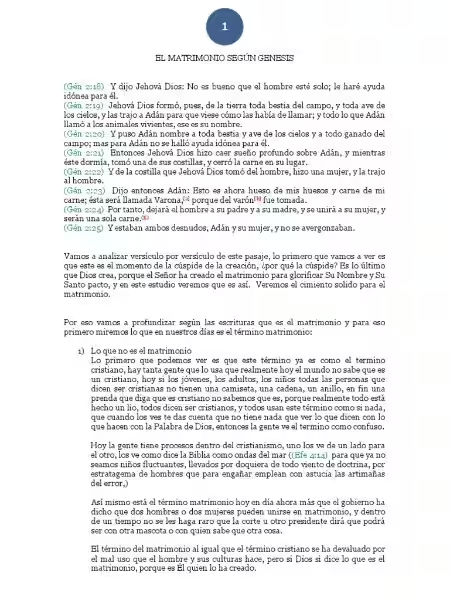
Genesis 2:18-25 lays out the initial account of marriage. It’s not just about procreation, but about mutual companionship and support. Imagine a world where two people, created by a divine hand, are meant to be together. This verse speaks of a profound connection, a need for unity and shared purpose. It highlights the vital importance of respect, trust, and communication, the very building blocks of a successful marriage.
This foundational narrative is not merely historical; it’s a paradigm for modern relationships. This partnership, defined by God, is a reflection of His own perfect union. Practical examples of this include: honest communication, empathy, and willingness to put your partner’s needs before your own in certain situations. Modern couples can use this as a template for building a strong, loving, and lasting marriage.
Understanding the Divine Purpose: Beyond the Physical
Genesis emphasizes that marriage transcends the physical. It’s a sacred covenant rooted in love, commitment, and shared values. It’s about building a life together, raising a family, and navigating life’s challenges with unwavering support. Imagine a team working together towards a common goal. That’s the essence of a marriage based on biblical principles.
The verses go beyond the initial creation narrative to explore the impact of sin and its effects on marriage. This framework highlights the importance of forgiveness, reconciliation, and growth in a relationship. We need to acknowledge the imperfections and challenges that come with human interaction, but also the potential for healing and restoration. These principles provide a powerful lens through which to navigate the trials and tribulations of marriage. These include: forgiveness, humility, and patience.
The Covenant: A Testament to Commitment
The concept of a covenant, central to Genesis’s perspective on marriage, emphasizes unconditional commitment and faithfulness. This isn’t just a promise; it’s a commitment to a lifelong journey, a pledge to stand by each other through thick and thin. Imagine an unwavering bond that transcends disagreements and challenges. This is the heart of the covenant. It’s about staying committed even when life throws curveballs.
Ultimately, Genesis emphasizes the importance of treating your spouse as you would treat yourself. Love, respect, and compassion are the cornerstones. The verses highlight the importance of mutual support and understanding. By applying these principles to your relationship, you can cultivate a strong and enduring bond. In essence, it’s about building a life together based on the unwavering foundation of love and respect. This involves empathy, understanding, and a willingness to grow together.
The Bible contains numerous verses related to marriage, emphasizing its importance as a sacred union ordained by God. Different interpretations exist, but many passages highlight the commitment, unity, and procreation within marriage. Specific verses often cited include Genesis 2:18-25, which describes the creation of Eve and the institution of marriage, and Ephesians 5:22-33, which emphasizes the roles of husbands and wives within the marriage bond.
What does the Bible say about religion?
The Bible is the foundational text for many religions, particularly Christianity. It presents a worldview centered on a relationship with a divine being, often involving worship, obedience to divine commandments, and a belief in spiritual realities. While specific interpretations vary, the Bible’s message generally emphasizes faith, righteousness, and the importance of a personal relationship with God.