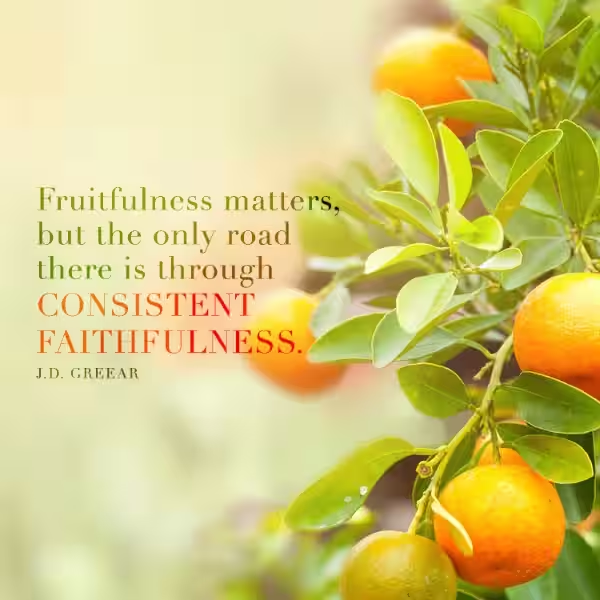
The concept of “fruitful” in the Bible transcends mere physical production. It speaks to a profound spiritual and relational abundance. It’s a call to growth, development, and a rich, meaningful existence. This journey of fruitfulness isn’t a destination but a continuous process, mirroring God’s own nature of overflowing generosity. We see this concept emerge powerfully in the very first chapters of Genesis, where humans are called to be fruitful and multiply.
Considering the importance of the concept of “fruitful” in the Bible, it’s clear that it goes beyond simply having children. This concept embodies spiritual and emotional maturity. Think about the parable of the sower. The seeds represent God’s word, and the different types of soil represent different hearts. Some hearts are rocky, others are thorny, and only those with fertile soil are capable of producing a fruitful harvest. This understanding encourages us to cultivate our own spiritual gardens.
Fruitfulness in Genesis: A Foundation for Understanding
The first commandment given to humanity in Genesis was to be fruitful and multiply. This isn’t a solitary pursuit but a collaborative one. It’s about reproducing the image of God in the world—not just in our own families, but through our actions and influences. This instruction isn’t merely about physical procreation; it’s about expanding God’s kingdom and sharing the light of truth.
In Genesis 1:28, God commands humanity to be fruitful and multiply, and to have dominion over the earth. This mandate implies a responsibility to care for creation, a responsibility that requires diligence and wisdom. This principle of fruitfulness has a direct connection to the idea of stewardship, where we are entrusted with resources to cultivate and grow. Imagine a farmer diligently caring for their crops; that’s the essence of this biblical principle in action. We are called to be like that farmer, nurturing the world around us with compassion and purpose.
Fruitfulness isn’t limited to individual growth; it extends to healthy and harmonious relationships. Consider the importance of loving our neighbors as ourselves. This commandment fosters a culture of empathy, support, and understanding. Through these relationships, we demonstrate the love of God, allowing His light to shine through us. Examples include nurturing our family connections, fostering friendships, and building bridges of communication in communities.
A key aspect of this fruitful relationship concept is forgiveness. When we are able to forgive others, we are allowing ourselves to grow and flourish. This forgiveness frees us from bitterness and resentment, allowing us to move forward with a heart open to love and understanding, just as God forgives us. This ability to embrace forgiveness is a critical component of a fruitful life, both personally and communally, and is a reflection of God’s own character.
Fruitfulness in Service: A Testament to God’s Grace
Fruitfulness also manifests in acts of service and compassion. God’s grace is a constant reminder of the abundance we are capable of when we choose to serve others. Helping those in need, offering a listening ear, or simply lending a hand are all expressions of fruitful living. Think about how volunteering at a local shelter could exemplify this concept. In these acts, the love of God becomes visible and tangible. These actions demonstrate that fruitfulness isn’t selfish but is about extending love and generosity to the world around us.
Consider the various ways we can demonstrate this principle of service. We could:
These actions are all fruitful expressions of our faith, reflecting the abundant grace we receive from God.
Conclusion: Embracing the Journey of Fruitfulness
The concept of fruitfulness, as revealed in the Bible, is a powerful call to live a life of purpose, compassion, and growth. It’s a continuous journey of learning, growing, and nurturing both ourselves and those around us. It’s about understanding our inherent capacity for abundance and choosing to share it with the world. The fruits of our labor, both large and small, are ultimately expressions of God’s love filling our lives and the lives of others.
Ultimately, fruitful living isn’t just about producing tangible results; it’s about the spiritual and emotional abundance we experience as we walk in God’s presence. It’s a life filled with love, compassion, and a deep connection to the divine. Embracing this journey is a testament to the extraordinary grace we are given.
Frequently Asked Questions
What does “fruitful” mean in the Bible?
In the Bible, “fruitful” often refers to bearing children, but it can also encompass producing good works, spiritual growth, or any positive outcome. It signifies abundance, prosperity, and a fulfilling life.
How is “fruitful” used in religious contexts beyond the Bible?
In many religions, “fruitful” is associated with creation, abundance, and the positive outcomes of spiritual practice. It can be connected to ideas of a plentiful harvest, a rich life, or simply a life well-lived.