A Bible verse is a single, specific statement from the Bible, a collection of religious texts considered sacred by Christians. These verses are often short passages, but their impact can be profound, offering guidance, inspiration, and comfort to believers. Understanding the context and meaning of a bible verse is crucial to appreciating its significance. Each verse is part of a larger narrative, chapter, and book, and understanding these connections provides a more holistic perspective.
Think of it like a collection of wisdom literature, philosophical statements, historical accounts, and poetry. A Bible verse isn't just a random sentence; it is a carefully chosen expression within a broader theological framework. This framework is integral to interpreting the verse correctly. For instance, the verse "Love your neighbor as yourself" (Matthew 22:39) holds different meanings depending on the context of the surrounding text and the reader's understanding of the broader message of love and compassion.
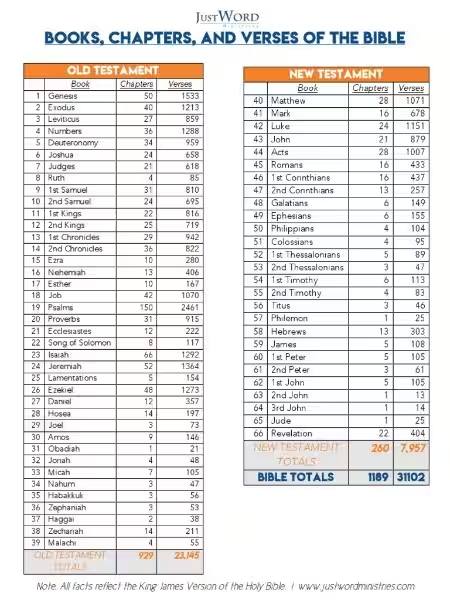
A Bible verse is not just a random snippet of text. It's part of a larger structure, including books, chapters, and even verses themselves. This structure provides context for understanding the message. For example, understanding the historical context of a verse can illuminate its purpose. Consider the book of Genesis: verses describing creation offer a perspective on the origins of the world and humanity, while verses about the flood provide a message about God's judgement and mercy.
Knowing the specific book, chapter, and verse number is essential for precise referencing. Using a Bible reference like "Matthew 5:3" aids in locating the specific passage. This structured approach allows accurate quotation of the sacred text. Knowing the historical context of the book also helps. For instance, the Psalms contain prayers and songs of praise from various historical periods, offering a glimpse into the spiritual lives of people throughout time.
A Bible verse is more than just words on a page. It's a source of wisdom, hope, and guidance for millions worldwide. These verses provide a framework for ethical conduct, a map for spiritual growth, and a source of comfort during difficult times. For example, "Be still and know that I am God" (Psalm 46:10) offers a message of peace and trust in divine guidance.
Bible verses are often used in prayer, worship, and personal reflection. They can inspire acts of charity, service, and empathy. They can offer comfort in times of sorrow and provide strength in moments of weakness. For instance, verses like "Greater love hath no man than this, that a man lay down his life for his friends" (John 15:13) offer a powerful message of self-sacrifice and love.
Interpreting Bible Verses in Context
A Bible verse's meaning isn't always apparent at first glance. Careful consideration of its surrounding text is vital. Understanding the historical context, the author's intent, and the overall message of the book is crucial. For example, a verse in the Old Testament might have a different interpretation compared to the New Testament, even if it shares similar themes. Different cultures and historical periods can have varying interpretations of verses, further adding depth to understanding.
Consider the verse "Do not judge, or you too will be judged" (Matthew 7:1). This verse, when studied in its surrounding context, highlights the importance of humility and self-reflection. It encourages us to focus on our own flaws before criticizing others. This type of critical analysis reveals the rich layers of meaning embedded within seemingly simple Bible verses. For example, the concept of "love" in various books, such as Corinthians or Galatians, has different nuances when examined in its historical and cultural context.
Though centuries old, Bible verses remain relevant today. Their principles of love, compassion, and justice offer enduring guidance for navigating life's challenges. For example, "Do unto others as you would have them do unto you" (Matthew 7:12) provides a timeless principle for ethical decision-making. Learning to apply these principles can help us make better decisions in our daily lives, whether in personal relationships or tackling societal issues.
Bible verses can inspire personal growth and transformation. They can offer comfort and guidance amidst adversity. By understanding the context and applying the wisdom found within, we can gain insights that enhance our understanding of ourselves and our world. For instance, the concept of forgiveness, found in many verses, can provide personal healing and reconciliation with others.
Frequently Asked Questions
What is a Bible verse?
A Bible verse is a specific passage from the Bible, typically a complete sentence or a portion of one. It's a single, discrete unit of scripture.
What is religion?
Religion is a belief system and a set of practices that relate humanity to spirituality and morality. It often involves a set of shared beliefs, rituals, and values that guide a community's life and understanding of the world.