Unveiling the 40 Authors of the Bible: A Journey Through Sacred Texts
Unveiling the 40 Authors of the Bible: A Journey Through Sacred Texts
The Bible, a cornerstone of many faiths, is a collection of writings spanning centuries and cultures. Understanding its diverse authorship is crucial to appreciating its depth and complexity. This exploration delves into the 40 authors traditionally associated with the Bible, highlighting their contributions and the unique perspectives they brought to the text. We'll examine the contexts in which these individuals wrote, the challenges they faced, and how their stories, poetry, and prophecies continue to resonate with readers today. Think about how different individuals' experiences shaped the messages they shared – a key element in understanding the Bible.
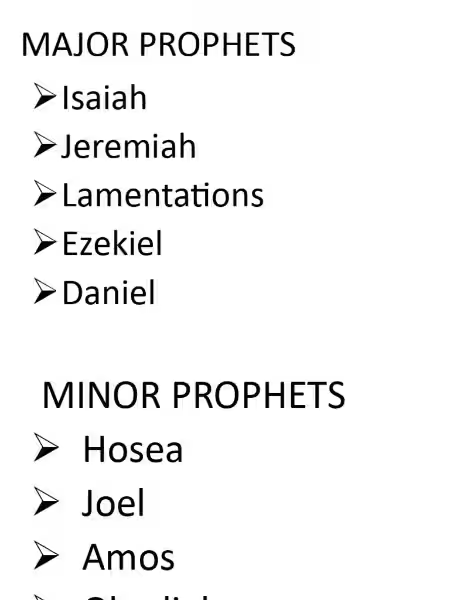
This journey through the biblical narratives isn't just about names and dates; it's about connecting with the human element of the writers. Moses, for instance, wrote Genesis, Exodus, and parts of Numbers, while Isaiah, Jeremiah, and Ezekiel, among others, delivered profound prophecies. Understanding the various styles and genres – from historical accounts to poetic pronouncements – enriches our appreciation for the Bible's richness. Recognizing the individual voices of these 40 authors allows us to grasp the multifaceted nature of the message and its impact across generations.
Exploring the Diverse Voices: From Prophets to Poets
The authors of the Bible weren't simply recording events; they were interpreting them. Their perspectives, shaped by their times and experiences, shaped the narratives we read today. For example, consider the wisdom literature, attributed to figures like Solomon (Proverbs, Ecclesiastes). His wisdom, born from experience and reflection, offers timeless insights into the human condition. These 40 authors, from Job to Jonah, each brought a unique perspective – reflecting their own cultures, circumstances, and relationships with God. Their diverse experiences form a rich tapestry of human reflection and spiritual seeking.
The prophets, like Daniel and Hosea, delivered messages of hope and judgment during challenging times. Their pronouncements, often delivered through vivid imagery and powerful language, resonated with the people they addressed. This emphasis on profound messages and powerful imagery is key to understanding how these authors used their writing to connect with their communities. Their writings, like warnings from the future, often carry a crucial message of hope and redemption. Consider the power of their words to inspire and guide.
Understanding the Historical Context: A Tapestry of Cultures
Many of the biblical authors lived in a world vastly different from our own, facing challenges and uncertainties similar to the human condition today. Knowing the historical context of each author helps us appreciate the nuances of their writings. For instance, the books of Samuel, written by Samuel himself, reflect the complexities of the early Israelite kingdom. These 40 authors witnessed a blend of triumphs and hardships and that's part of what makes their writings so relatable. Understanding the political conditions, social structures, and cultural beliefs of the time helps create a richer understanding of the text; the authors' experiences with war, famine, and political turmoil are mirrored in their texts' struggles and resilience.
The authors of the Bible represent a remarkable spectrum of experiences. From Kings like David, to poetic writers like Ruth and Esther. The context, the message, and the author all intertwine. Their writings often reflected the struggles and triumphs of their people, offering a blueprint for navigating life's complexities. These authors weren't just recording events; they were interpreting them through the lens of their own faith and experiences. Their stories, poems, and prophecies offer valuable insights into the human condition.
Connecting with the Timeless Wisdom: Lessons for Today
The 40 authors of the Bible didn't just write for their time; their words still resonate with readers today. Their wisdom, often expressed through parables and narratives, provides guidance for navigating life's challenges. Consider the book of Psalms, attributed to various authors including King David. These heartfelt expressions of praise, lament, and gratitude serve as models for our own prayers and reflections. These enduring themes of faith, hope, and love still inspire and comfort countless individuals.
The messages within these texts are still incredibly relevant today. The Psalms, for instance, offer profound insights into the human condition – sorrow, joy, and longing. The wisdom shared by the authors speaks to universal human experiences. It's in the ability to connect with these universal experiences that the Bible's enduring power lies. This deep understanding of the human condition makes the writings of these 40 authors so deeply moving and meaningful. It's a rich tapestry of human experience and spiritual connection.
Frequently Asked Questions
Who wrote the Bible?
The Bible was written by approximately 40 different authors over a period of 1500 years. These authors, inspired by God, penned various genres of writing, including law, history, poetry, prophecy, and letters.
What is religion?
Religion is a system of beliefs and practices related to the supernatural, often involving a deity or deities, moral codes, rituals, and a community of believers.