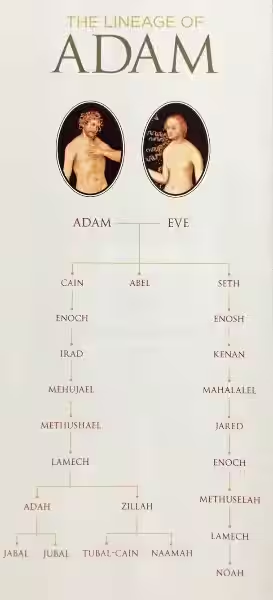
The concept of a first man, Adam, forms a cornerstone in many religions, sparking centuries of contemplation and debate. This primal figure, often depicted as the progenitor of humanity, is not just a historical figure but a symbol of our shared origins, our connection to the divine, and our moral responsibility. Exploring Adam’s lineage, then, is a journey into the heart of faith, culture, and human understanding. Understanding these lineages helps us appreciate the diverse narratives and beliefs about our origins in the global tapestry of faith.
The search for Adam’s lineage transcends simple genealogy. It delves into the very fabric of religious belief, offering unique perspectives on creation, morality, and the relationship between humans and a higher power. This exploration unveils profound philosophical questions about the nature of humanity, the meaning of life, and the potential for human connection across cultures. For example, the idea of a shared lineage can foster a sense of unity and responsibility, encouraging us to consider our impact on the world and our place within the larger cosmic order. It also presents a unique opportunity to appreciate the diversity of human stories and beliefs regarding our origins.
The Biblical Lineage of Adam: A Foundation of Faith
In the Abrahamic traditions, Adam plays a pivotal role in the narrative of creation and humanity’s relationship with God. The Book of Genesis describes Adam as the first human created in God’s image, a pivotal moment in the creation story. This narrative not only establishes Adam as the ancestor of all humankind but also positions him as a recipient of divine knowledge and a participant in a covenant. The lineages of Adam and Eve are central to understanding the various narratives of families and tribes in the Old Testament.
The lineage of Adam within the Bible is presented not just as a list of names, but as a representation of God’s chosen people and their journey. For example, the lineage provides a framework for understanding God’s promise to certain individuals or tribes. It also underscores the concept of continuity and inheritance, connecting individuals to past generations and highlighting their place in a long chain of history. This emphasis on lineage reinforces the importance of tradition and heritage in many religious contexts.
Exploring Adam’s Lineage Across Different Religions
While the Abrahamic religions center on Adam as the first human, other traditions have their own creation myths and lineages. The ancient Mesopotamian myth of creation features figures like Enki and Marduk, presenting different perspectives on the origins of humanity. These stories often present a different conception of divinity and the origins of human life. This diversity highlights the wide array of beliefs about creation and lineage across cultures. For example, the concept of lineage might be tied to a specific ancestor, a natural phenomenon, or a divine act, all reflecting different understandings of the world and human existence.
Exploring the lineages of Adam in various religions reveals a rich tapestry of human narratives about the beginning of time. Each story offers a unique perspective on the relationship between humanity and the cosmos. For instance, Hindu traditions have concepts of lineage through various deities, illustrating how varied cultural perspectives shape the construction of narratives about origins. These varying interpretations underscore the vast human experience and the different ways people have sought to understand their place in the universe.
Adam’s story is not solely about a literal lineage. It holds profound symbolic meaning. He represents the concept of original sin, the consequences of free will, and humanity’s relationship with the divine. This often evokes the idea of an inherited flaw or tendency toward imperfection. For example, the concept of original sin is central to understanding moral responsibility and the search for redemption in many Christian traditions.
Furthermore, Adam’s lineage serves as a powerful symbol for the interconnectedness of all humanity. Ultimately, regardless of specific religious beliefs, the concept of Adam acts as a powerful metaphor for our shared human experience, reminding us of common ancestry, the importance of heritage, and the diverse narratives shaping our collective understanding of our origins. This shared symbolism across cultures underscores the enduring human quest for meaning and purpose in the cosmos.
Conclusion: Adam’s Legacy in the Modern World
The lineage of Adam, a figure central to many religious traditions, remains a powerful and potent symbol. It sparks reflection on our origins, our place in the universe, and our relationship with the divine. Whether viewed literally or symbolically, Adam’s story continues to resonate deeply in the modern world, prompting examination of human nature and the complex tapestry of human experience. From the diversity of religious interpretations to broader cultural impacts, Adam’s lineage serves as a reminder of the profound human desire to understand our beginnings.
Examining Adam’s lineage encourages a fundamental understanding of our religious and cultural heritage. This exploration is vital for fostering tolerance, empathy, and appreciating the wealth of diverse perspectives on human origins. By recognizing the multifaceted nature of these narratives, we gain a more profound understanding of the shared human experience and the enduring quest to comprehend our place in the vast expanse of existence.
In many religions, Adam is considered the first human being. The specifics of his origins vary depending on the specific religious tradition.
What is the religious lineage of Adam?
Religious traditions offer different accounts of Adam’s lineage, often connecting him to a divine creator or a specific lineage within that faith’s sacred texts.
Where can I find more information about Adam’s lineage in different religions?
Consult religious texts and scholarly works dedicated to the study of specific faiths.