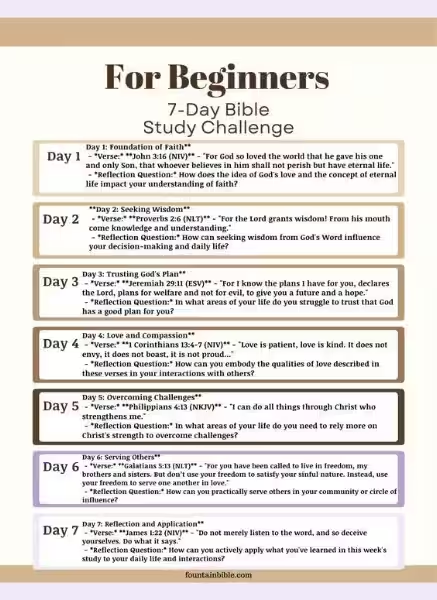
Embarking on a journey to understand the Bible can feel daunting, especially for newcomers. The sheer volume of text and diverse stories can feel overwhelming. But fear not! Studying the Bible is a deeply rewarding experience that unlocks a wealth of wisdom, guidance, and historical context. This guide will walk you through the basics, empowering you to become a confident and engaged student. Remember, your journey of discovery starts now.
The Bible is not just a book; it’s a collection of stories, poems, laws, and letters. These writings offer a glimpse into the lives of people from different eras, highlighting the complexities of human nature and the enduring power of faith. This journey into scripture is a quest for meaning and understanding, and everyone can access and engage with this timeless treasure. A natural approach is key, and understanding how the Bible fits into your life is the first step.
The Bible is comprised of different sections, each with its own unique style and purpose. The Old Testament primarily focuses on the history of the Jewish people, their relationship with God, and the prophets who guided them. The New Testament, in contrast, centers on the life, teachings, death, and resurrection of Jesus Christ and the early Christian community. Knowing this basic organization can help you navigate the text effectively, understanding the historical context of the various passages.
Within these sections, you’ll encounter various literary genres. Historical accounts detail events that shaped the past, poetic passages offer profound reflections on life and faith, and prophetic pronouncements reveal messages of hope and guidance. Understanding these different genres helps you appreciate the nuances of each passage. For instance, a psalm is meant to be sung, not read like a historical account. This awareness is crucial for beginners so they can engage meaningfully with the text. Consider a simple analogy: Would you read a cookbook the same way you read a novel?
There’s no one-size-fits-all approach to Bible study, but a structured method can be immensely helpful. Begin by selecting a passage or a specific book that resonates with you. Then, read the passage multiple times, allowing the words to sink in. Consider using study Bibles which offer helpful commentary and context. These tools are designed for ease of use.
Note-taking is essential. Write down your thoughts, questions, and observations. Ask yourself: What is the main idea? What is the author trying to communicate? What is the historical context? What does this mean for me today? Engage with your observations and you will see how the Bible speaks to your life. This process turns a simple reading into a profound experience. Consider making a simple chart to outline your thoughts. This allows you to see patterns and connections across different passages.
Using Resources for Deeper Understanding
Numerous resources can enhance your Bible study, from study Bibles with detailed commentary to online resources and Bible study groups. Study Bibles provide helpful explanations and insights into the context, meaning, and historical background of the passage. Online resources offer a vast array of articles, videos, and commentaries from various perspectives.
Bible study groups provide a platform for discussion, providing different perspectives and fostering community. These resources offer diverse viewpoints and insights, allowing you to gain a more comprehensive understanding of the Bible. Don’t be afraid to use these tools – they are designed to help you on your journey. Think of it like having a team of experts to help you explore a complicated artwork. Each expert adds a new layer of understanding.
The ultimate goal of Bible study is to apply its teachings to your daily life. Reflection on how a passage relates to your challenges and joys is critical. Consider how the principles you’ve learned can guide your decisions and actions. What does this passage mean for your relationships? How can you live out the values it espouses? This allows the Bible to become more than just words on a page; it becomes a living guide for your journey.
Prayer is an invaluable component. Ask God for guidance and understanding as you wrestle with the complexities of life and the scriptures. Journaling your reflections is another powerful tool. Write down your thoughts, feelings, and insights. This helps solidify your understanding. Applying the lessons you learn is the ultimate purpose of studying the Bible.
Frequently Asked Questions
How can I begin studying the Bible?
Start with a specific goal in mind, like understanding a particular book or topic. Choose a translation that’s easy to understand. Use study guides, commentaries, or online resources to help interpret passages. Consider joining a Bible study group for support and discussion.
What’s the best translation for beginners?
There’s no single “best” translation. The New International Version (NIV) and the English Standard Version (ESV) are popular choices known for readability. Consider researching different translations and seeing which one resonates with you.
How do I understand the different genres of the Bible?
The Bible contains various literary forms—history, poetry, prophecy, letters, and more. Knowing the genre helps you understand the author’s intent and the message’s style. For example, Psalms are poetry expressing emotions and prayer, not literal history.
Many online resources, Bible study apps, commentaries, and concordances can aid your understanding. Look for resources that break down complex passages and provide context.
How can I stay motivated?
Set realistic goals, find a study partner or group, and celebrate your progress. Remember that learning takes time and effort, so be patient with yourself.
Why are there different interpretations of the Bible?
Different interpretations arise from varied backgrounds, perspectives, and approaches to scripture. Acknowledging these differences can deepen your understanding and encourage further exploration.
Is there a specific order to read the Bible?
You don’t need a specific order. Focus on a topic or book that interests you. Many study plans exist online or in books, but choose one that resonates with you and your goals.
How can I apply what I learn to my life?
Reflect on how the principles and stories in the Bible apply to your daily life. Consider how the teachings might influence your decisions and interactions.