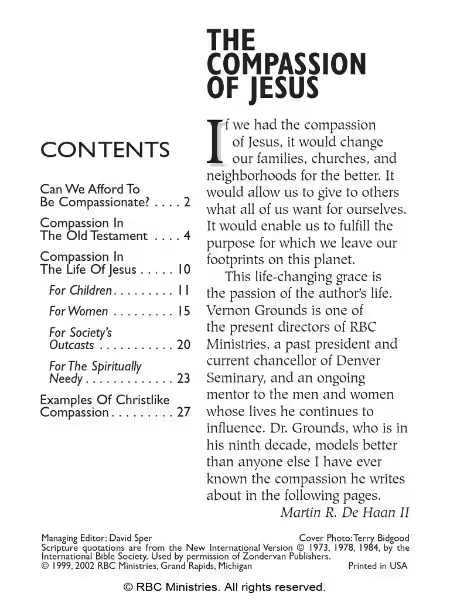
Compassion, a fundamental human emotion, resonates deeply within the teachings of Jesus. It’s not just a feeling; it’s a call to action, a way of life. This article delves into the essence of Jesus’ compassion, drawing from key scriptures and exploring its relevance in our modern world. We’ll see how practical application of this concept can lead to a more fulfilling and meaningful existence.
Imagine a world where empathy and understanding are the guiding principles. This is the world Jesus envisioned, a world where the marginalized, the suffering, and the lost are not ignored but embraced. His teachings, embedded within the very fabric of the Christian faith, emphasize the importance of treating everyone with kindness, respect, and a profound sense of care. Acts of service and selfless giving are essential components of this compassionate framework.
Jesus’ compassion wasn’t simply about feeling sorry for others; it was about actively engaging with their needs. He taught that true compassion is about recognizing the inherent worth and dignity of every individual, regardless of their background or circumstances. Key passages, like those found in the Gospels, depict this through stories of healing the sick, feeding the hungry, and comforting the grieving. For example, the parable of the Good Samaritan highlights the importance of extending compassion even to those considered “outsiders.” This illustrates the universality of Christ’s message.
Think about a time when you encountered a situation requiring compassion. Perhaps someone was struggling with a personal challenge, or perhaps you witnessed someone in need. Jesus’s teachings are a constant reminder that compassion is not limited to religious contexts. It’s a universal human response that can and should be activated in various situations. Compassionate action can involve a multitude of gestures, including listening, offering support, or simply extending a helping hand.
Many scriptures reveal Jesus’ compassion in vivid detail. For instance, Matthew 9:36 describes Jesus observing the crowds and feeling compassion for their “fatigue and helplessness”. This is not a passive emotion; it compels action. The healing of the sick, feeding of the multitudes, and the interaction with marginalized individuals are all tangible expressions of this compassion. Consider this in your own life. How can you recognize and act upon your own compassionate instincts? Examples abound in the Gospels. Looking at the circumstances of the sick, the hungry, the lost, and the marginalized is key to understanding and following Jesus’s example.
A powerful example is Jesus’ interaction with the woman caught in adultery (John 8:1-11). His compassion didn’t shy away from the situation; instead, he confronted the hypocrisy and offered forgiveness. This demonstrates the importance of compassion in challenging social norms, and recognizing that forgiveness is a critical component of the compassionate approach. Jesus’ actions toward the outcast, the sinners, were driven by a profound understanding of their humanity and the need for mercy. He understood that compassion transcends rigid rules and societal expectations.
The Relevance of Jesus’ Compassion Today
Jesus’ teachings on compassion are remarkably relevant to our world today. In a society often characterized by division and conflict, Jesus’ call to empathy and understanding is more crucial than ever. Consider recent acts of kindness and acts of service, in your community or nation. These acts are directly linked to that message. We are urged to practice compassion in our daily interactions, whether it’s extending a helping hand to a neighbor in need or simply listening with an open heart to someone struggling. Empathy is a crucial tool; it allows us to understand another’s perspective.
Compassion is not about perfection; it’s about striving to improve. It’s about recognizing that we all make mistakes and need forgiveness. We see this in the parable of the Prodigal Son, where forgiveness and acceptance are central themes. By embracing Jesus’ message of compassion, we can create a more just and loving world for ourselves and future generations. Building bridges through understanding, empathy, and active engagement are all forms of compassion. Ultimately, it’s about embracing our shared humanity and striving to be a positive force in the lives of others.
Practical Steps to Cultivate Compassion
Cultivating compassion is an ongoing journey, not a destination. Here are a few practical steps you can take:
Practice active listening. Truly hear others, understanding their perspectives, without judgment.
Seek out opportunities to serve. Volunteering, helping a neighbor, or simply offering a kind word can make a significant difference.
Cultivate empathy. Try to understand the experiences and struggles of others, even those different from your own.
Forgive yourself and others. Compassion involves recognizing imperfections and offering grace.
These steps, rooted in the teachings of Jesus, can help you develop a more compassionate heart and contribute to a more peaceful and loving world.
Remember, Jesus’ compassion wasn’t a passive ideal; it was a driving force behind his actions. By embracing these principles and putting them into practice, we can follow in his footsteps and create a world where everyone feels valued, supported, and loved. Remember, this is a journey, not a race. Small acts of kindness and compassion can have a profound impact on individuals and society as a whole.
Frequently Asked Questions about Jesus’ Compassion and Religion
What are some key scriptures that demonstrate Jesus’ compassion?
Many scriptures depict Jesus’ compassion. Examples include Matthew 9:35-38, where he is moved by the crowds’ need and heals them. Luke 10:25-37, the parable of the Good Samaritan, exemplifies compassion for the marginalized. Mark 1:40-42 shows Jesus’ compassion for a man with leprosy. John 8:1-11 illustrates compassion for a woman caught in adultery.
Different religions emphasize compassion in various ways. Many religions teach that compassion is a core value, often linked to loving one’s neighbor, showing mercy, and acting with empathy towards all beings. The practice of compassion can manifest in acts of service, charity, and advocating for justice.
What is the connection between faith and compassion?
Faith, in many religious traditions, informs and motivates compassionate actions. Belief in a divine being or higher power can inspire individuals to strive for compassion and empathy, viewing all people as deserving of care and respect.
How can I develop compassion in my own life?
Developing compassion involves cultivating empathy, understanding, and a willingness to connect with others. Practicing mindfulness, engaging in acts of service, and seeking out experiences that broaden perspectives can contribute to developing compassion.
Does compassion differ across religions?
While the concept of compassion is frequently emphasized across religions, the specific expressions and interpretations of compassion may vary. Different faiths may have different rituals, practices, and historical contexts that shape how compassion is understood and practiced by their adherents.