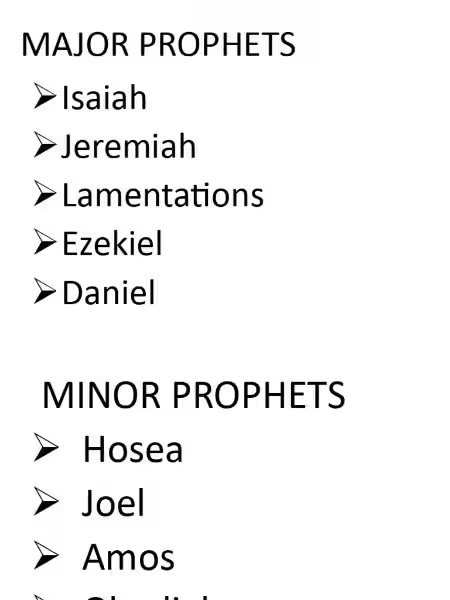
Hosea, a prophet of the Old Testament, delivers a powerful message about God’s relentless pursuit of relationship with humanity. His prophetic writings, filled with vivid imagery and profound truths, are not merely historical accounts; they are enduring calls to repentance and a deeper understanding of divine love. This article delves into Hosea 6, exploring its core message and its relevance for us today. We will uncover how God’s love, though often misunderstood, is a constant and unwavering force in our lives. This profound aspect of God’s character is crucial to navigating the complexities of faith and life.
Hosea 6’s central theme revolves around the concept of repentance and restoration. It emphasizes the importance of returning to God with a sorrowful and sincere heart. This is not a simple act, but a process of acknowledging wrongdoing, seeking forgiveness, and committing to a changed path. Imagine a child who repeatedly disobeys their parents. Hosea’s message echoes that remorse, sincere apology, and a commitment to change are vital for restoring the relationship. This isn’t about just fulfilling rules, it’s about mending the broken bond with God. The prophet emphasizes that such restoration is possible, and God desires it.
Hosea 6:3 emphasizes the need to “know the Lord.” This isn’t a mere intellectual understanding, but a deep, experiential relationship. It’s about knowing God’s character, His love, His justice, and His mercy. This knowledge translates into actions. It’s not enough to simply know about Him; we must act based on that knowledge. For example, if we understand God’s grace, we’re more likely to show grace to others. If we grasp His justice, we’ll strive to live a righteous life. A crucial element of knowing God is understanding His desire for wholeness and reconciliation.
The phrase “know the Lord” highlights a vital aspect of the relationship with God. It implies a deep communion, a personal encounter. Imagine a close friendship; you don’t just know the facts about your friend, you know their heart, their struggles, their joys. The prophet Hosea is calling us to a similar depth of understanding and connection with our Heavenly Father. This knowing goes beyond a mere intellectual grasp; it’s about a tangible, living relationship. It involves actively seeking God’s presence and responding to His guidance. This is where our faith truly blossoms.
Hosea 6 and the Pursuit of Justice
Hosea 6’s call to “know the Lord” also intertwines with the pursuit of justice and righteousness. The prophet’s message isn’t simply about personal piety; it’s about recognizing the needs of others and advocating for a just society. Knowing God and acting justly are inextricably linked. Imagine a small town where a group faces discrimination; knowing God inspires us to advocate for the rights and well-being of those who are marginalized. This could mean supporting legislation that protects their interests, raising awareness through advocacy, or simply showing empathy and compassion.
Hosea’s words are a powerful reminder that God’s love extends beyond the individual to encompass the collective. We’re called to participate in building a society that reflects God’s justice and compassion. The prophet reminds us that true worship involves more than individual devotion; it embraces a concern for the well-being of others. We are called to be agents of justice, mirroring God’s love and compassion in our communities. A practical application would be volunteering at a local food bank, advocating for fair labor practices, or simply offering a listening ear to someone experiencing hardship.
Hosea 6’s message resonates deeply with contemporary society, as it offers a powerful framework for navigating the challenges and complexities of modern life. In a world grappling with social injustice, inequality, and personal struggles, Hosea’s words offer a pathway toward healing, reconciliation, and spiritual growth. If we follow this message, we’ll find a renewed sense of purpose. The call to “know the Lord” and act justly continues to hold immense relevance for our personal lives and communities.
The principles of Hosea 6 continue to offer a relevant perspective on faith today. The core idea of returning to God with a repentant heart, a desire for knowledge, and a commitment to justice remains deeply significant. This ancient wisdom can guide us toward a deeper understanding of our relationship with God and our responsibility toward others. Understanding Hosea 6 offers a powerful lens through which to view our own lives and to gain a renewed appreciation for the enduring strength and love of God.
Frequently Asked Questions about Hosea 6 Commentary
What is Hosea 6 about?
Hosea 6 calls for repentance and restoration, emphasizing the importance of covenant faithfulness and God’s unrelenting love. It’s a message of hope amidst judgment, urging Israel to return to God.
How does Hosea 6 relate to religion in general?
Hosea 6 highlights a fundamental aspect of many religions: the importance of a relationship with the divine and the consequences of breaking that relationship. It underscores the concept of forgiveness and the possibility of renewal even after transgression.
What are the key themes in Hosea 6?
Key themes include repentance, restoration, covenant faithfulness, and God’s enduring love.
Hosea 6 encourages self-reflection on our relationship with God, identifying areas needing repentance and seeking restoration. The theme of enduring love reminds us that God’s grace extends even to those who stray.
What are some different interpretations of Hosea 6?
Different interpretations exist, often focusing on various aspects of the text. Some may emphasize the judgment aspect more acutely, while others place greater importance on the promise of restoration.
Who is the intended audience of Hosea 6?
The primary audience is the people of Israel in ancient times, but the message of repentance and restoration has broad relevance for people of faith in all times.