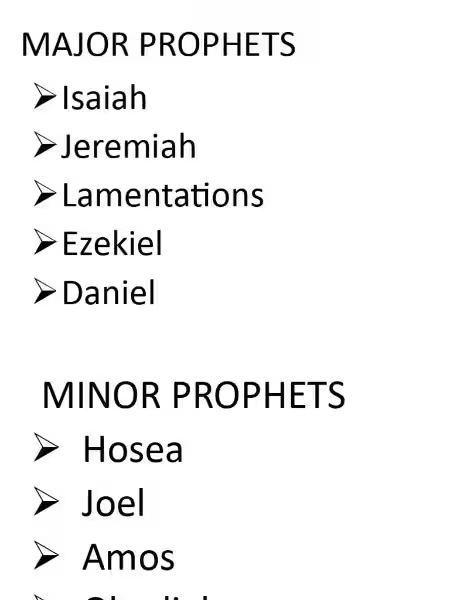
A Journey Through the Names of Prophets: A Tapestry of Faith
A Journey Through the Names of Prophets: A Tapestry of Faith
Throughout history, countless individuals have been revered as prophets, individuals believed to communicate directly with a divine being. These figures, revered in diverse religions, have shaped the beliefs and practices of billions. Their stories, often interwoven with profound messages of morality and guidance, continue to resonate with people today. Exploring the lives and teachings of these prophets can offer invaluable insights into the human condition and the search for meaning.
The very concept of prophecy is fascinating. It implies a special connection between the human and the divine, a bridge between worlds. This connection, as portrayed in the stories of figures like Moses, Jesus, Muhammad, Noah, and Abraham, often involves profound challenges and trials. These encounters, in turn, led to the formulation of religious principles and practices that persist to this day. Understanding these figures is crucial to grasping the rich tapestry of human spirituality. For instance, the story of Moses leading the Israelites out of slavery serves as a powerful example of a prophet navigating a challenging political landscape.
The Diverse Voices of Divine Revelation: A Multifaceted Perspective
Different religions have their own unique catalogues of prophets. Islam, Christianity, and Judaism, for example, each boasts a rich lineage of figures considered prophets. Prophet Muhammad, in Islam, is seen as the final prophet, while Judaism emphasizes figures like Moses and Abraham as central figures. Christianity focuses on Jesus Christ as the central figure. Each prophet offered unique perspectives and teachings. For instance, while many prophets emphasized ethical conduct, some also brought forth powerful visions of a future world. It is important to recognize the diversity in these traditions and understand that these figures are not always viewed as equivalent to each other within their respective traditions.
This diversity in religious narratives reveals a deeply complex and multifaceted picture of human belief. The experiences and missions of the prophets are extraordinarily varied. Consider prophet Ezekiel. He is known for his powerful visions and messages delivered during a time of great upheaval in Israel. Or, prophet Isaiah's powerful prophecies that speak of a future Messiah. These diverse experiences highlight that the communication between humanity and the divine isn't a single path, but rather a rich and varied spectrum of experiences, each offering its own distinct message. These narratives often intertwine with societal developments and offer insights into the religious and political climates of their time.
Key Themes in Prophetic Teachings: Common Threads Across Cultures
Despite their varied backgrounds, a remarkable degree of consistency can be observed in the teachings of many prophets. Central to most prophetic messages is the call for justice, compassion, and ethical behavior. For example, prophet Jeremiah’s calls for social reform are a powerful example of this. Many prophets advocated for the poor, the marginalized, and the oppressed. Prophet David's poetic expressions provide important examples of these themes in the Hebrew Bible. Their messages often highlight the importance of social responsibility and a strong moral compass.
Moreover, many prophecies incorporate powerful metaphors and symbolic language. These figures often used parables and vivid imagery to convey profound truths. Prophet Jonah's story, for instance, highlights the importance of compassion for all people, regardless of their background or beliefs. These literary techniques make the messages relatable and memorable across generations. This use of vivid language further emphasizes the powerful messages of these prophets and their impact on the development of morality and ethics.
The Enduring Relevance of Prophetic Messages: Echoes in Modern Life
The stories of prophets offer timeless lessons, continuing to resonate with people today. The moral compass offered by these figures offers valuable guidance in navigating the complexities of modern life. The messages of Prophet Elijah on the importance of faith and devotion, for example, still hold significant relevance. Prophet Joseph’s story of perseverance, resilience, and forgiveness can be profoundly inspiring in modern times. The core messages of justice, compassion, and faith continue to offer valuable frameworks for personal growth and social change.
The relevance of these stories stretches beyond individual lives. They can also inspire positive social change. The call for social justice, often articulated by prophets, continues to motivate people to address systemic inequalities and injustices. For example, prophet Hosea’s story reminds us of the importance of forgiveness and reconciliation. The principles articulated by these prophets guide us to create more compassionate and equitable societies. Ultimately, their stories inspire us to strive for a better future, grounded in ethical values and a strong moral compass.
Frequently Asked Questions
Who are all the prophets mentioned in the various religions?
This is a broad question and requires specifying which religions. Please provide the specific religions you are interested in to get a relevant answer.
What is religion?
Religion is a collection of beliefs, cultural systems, and worldviews that relate humanity to spirituality and moral values. It often involves rituals, ceremonies, and a community of believers.