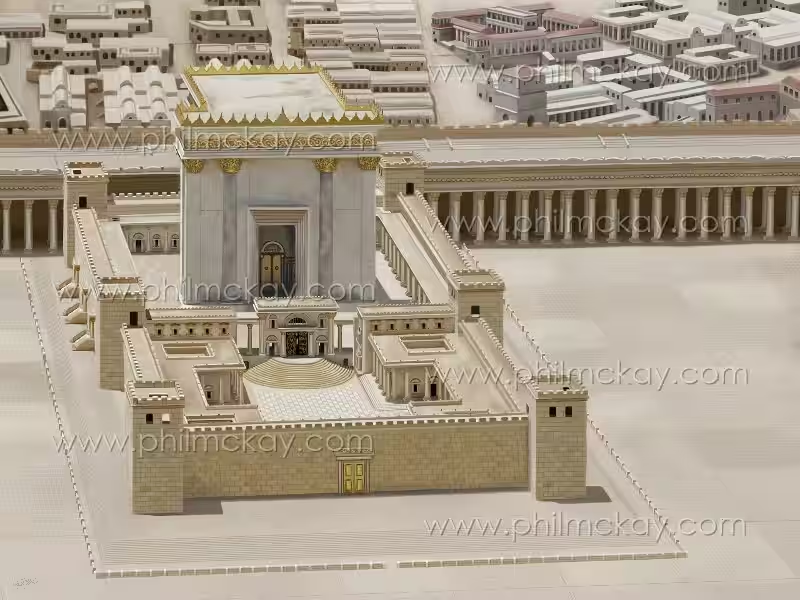
The concept of a heavenly temple resonates across numerous faiths, sparking profound questions about the divine and our place within the universe. This exploration delves into the shared hopes and beliefs surrounding these sacred spaces, offering insights into their significance and the profound impact they have on individuals and communities. Whether it’s a physical structure or a representation in the mind, the heavenly temple embodies a connection to something larger than ourselves.
Imagine a place, a sanctuary, a heavenly temple, where individuals find solace, inspiration, and a renewed sense of purpose. This place often transcends earthly limitations, representing a pinnacle of spiritual achievement. The symbolism associated with these heavenly temples is rich and varied, reflecting the diverse cultural and religious traditions that have shaped human history. These sanctuaries, whether real or imagined, serve as a bridge between the mortal and the divine, reminding us of our place within the grand tapestry of existence. For example, in many religions, the heavenly temple represents a connection to the creator/god, a place of ultimate peace, and the ideal of perfection.
The Significance of the Heavenly Temple Across Religions
The concept of a heavenly temple is not exclusive to any single religious tradition. Various faith systems employ similar imagery, albeit within different contexts. In Christianity, the heavenly temple often symbolizes the union with God and the pursuit of spiritual perfection. It is a representation of eternal peace. In Islam, the heavenly temple represents a connection with the divine, a place of unwavering faith, and devotion. The concept of the heavenly temple is also evident in Hinduism, where the heavenly temple signifies a pathway to enlightenment and a connection to the divine, often represented in the form of a magnificent structure.
Each religion interprets the heavenly temple in a unique way, reflecting its own unique values and beliefs. These interpretations are deeply rooted in the cultural and historical context of each faith. For instance, Buddhist temples, although not often explicitly described as heavenly temples, embody a spiritual sanctuary, a place of meditation and enlightenment, and a pathway to spiritual liberation. These variations in interpretation highlight the rich diversity of human spirituality and the different ways we seek connection with the divine. These places of worship provide a sense of belonging and offer ways to process complex spiritual feelings.
The Heavenly Temple and Personal Faith
The heavenly temple isn’t just a religious concept; it’s a deeply personal one. For many individuals, the heavenly temple represents a sanctuary of faith, a place of profound reflection, and a source of personal strength. It could be a physical temple, a specific ritual, or even an abstract concept embedded in their daily life. This personal connection often stems from deeply held beliefs and values. For some, it’s a place of solace during times of trial, offering a sense of hope and resilience. In other instances, it serves as a source of inspiration, motivating positive change and fostering spiritual growth. For example, it may hold the memories of prayer and blessings, and the quiet contemplation of the great questions of life.
The heavenly temple can be a powerful source of personal faith and spiritual growth. Its ability to resonate with individual needs and aspirations makes it an enduring concept across cultures and religions. This personal connection can manifest in various ways. For example, some might find their heavenly temple in a moment of quiet contemplation, others in a shared prayer with loved ones, or perhaps in a regular practice of mindfulness. The key is the presence of a deep and meaningful connection to a sense of the divine.
The Future of the Heavenly Temple in a Changing World
As the world continues to evolve, the concept of the heavenly temple remains a powerful symbol of human spirituality. Despite societal changes and evolving beliefs, the desire for connection with something larger than ourselves endures. The heavenly temple, whether physical or metaphorical, continues to offer solace, guidance, and a sense of belonging in an increasingly complex world. This enduring appeal stems from the inherent human need for meaning, purpose, and connection. For example, in a world facing challenges and uncertainties, the heavenly temple provides a beacon of hope and a reminder of the inherent goodness of humankind.
The heavenly temple, in its myriad forms, will continue to be a source of comfort, inspiration, and spiritual growth. Whether it’s a physical structure, a personal ritual, or a deeply held belief, the heavenly temple allows us to connect with the divine and find strength in times of need. This connection is crucial to our individual and collective wellbeing, and its significance is likely to endure in the face of future challenges. Modern interpretations of the heavenly temple might include digital spaces, community-based gatherings, or even acts of service to humanity. Finding these modern forms of heavenly temple aligns with the enduring human need for spirituality.
Frequently Asked Questions about the Heavenly Temple
What is the Heavenly Temple?
The Heavenly Temple is a place of worship and spiritual reflection for followers of the Heavenly Way, a religion centered on the concept of harmony with the cosmos.
What is the Heavenly Way?
The Heavenly Way is a religion emphasizing spiritual growth through meditation, prayer, and service to others. It teaches that all beings are interconnected and that true happiness comes from living in harmony with the universe.
Core beliefs include the importance of compassion, forgiveness, and living a life of purpose. The Heavenly Way recognizes the interconnectedness of all things and emphasizes the pursuit of inner peace.
What are the rituals of the Heavenly Temple?
Rituals vary but often include meditation, prayer, community gatherings, and acts of service to the less fortunate. Specific practices are determined by the individual temple and the specific community.
How do I become a member of the Heavenly Way?
There is a formal process of joining. This typically involves a period of study, mentorship, and demonstrating a commitment to the core beliefs and principles. Contacting the temple leadership is the first step.
What is the role of the Heavenly Priest/ess?
The Heavenly Priest/ess guides the community through teachings, rituals, and spiritual practices. They are mentors and advisors, facilitating spiritual growth.
What is the significance of the Heavenly Temple?
The Heavenly Temple serves as a community gathering place, a space for spiritual exploration, and a center for acts of charity and social responsibility.
Are there any specific requirements for visiting the Heavenly Temple?
Generally, visitors are welcome. Proper attire and respectful behavior are expected.
What is the Heavenly Temple’s stance on other religions?
The Heavenly Way respects other religions and philosophies, recognizing the diversity of spiritual paths.