Seated in the Heavenly Places: A Deeper Understanding
Seated in the Heavenly Places: A Deeper Understanding
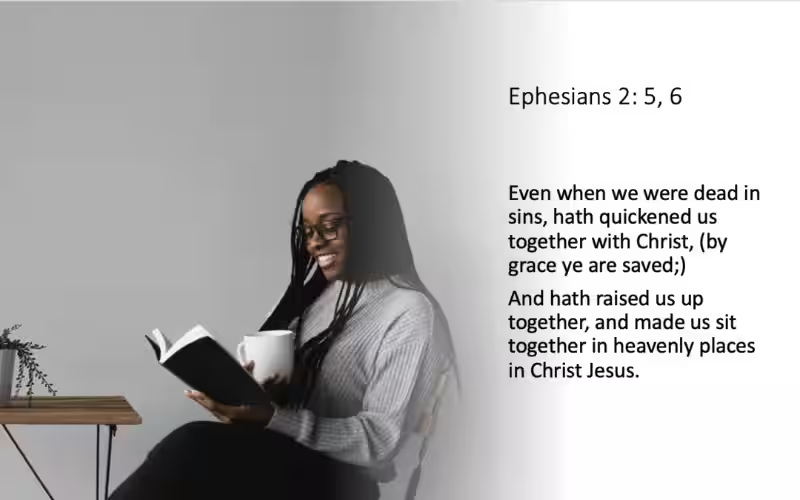
The phrase "seated in the heavenly places" carries profound meaning across various religious traditions. It signifies a spiritual elevation, a position of authority and influence, and often a state of divine connection. While the exact interpretation varies, the underlying concept of being "seated" suggests a sense of permanence, stability, and power. This concept isn't limited to a single religious doctrine. Different faiths, with their own unique perspectives, offer different interpretations of "seated in the heavenly places."
Consider, for example, the idea of spiritual ascension. Imagine climbing a mountain, the summit representing a heightened awareness. Reaching that summit, being "seated" there is a symbolic representation of this elevation. It's not just about physical location but about a profound change in perspective and understanding. This concept of being "seated in the heavenly places" can apply to any pursuit of spiritual growth, not just religious ones. This heightened awareness often brings with it a sense of responsibility and compassion.
In many Christian denominations, "seated at the right hand of God" is often intertwined with the idea of being "seated in the heavenly places." This imagery speaks to a transfer of power and authority. This isn't just about a physical location; it's about a spiritual position of prominence. Think of a king granting a kingdom's highest official a seat at their side—an act of profound trust and empowerment. The concept of "seated in the heavenly places" here connects to the idea of divine favor and entrusted leadership.
However, this concept isn't exclusive to Christianity. In other traditions, being "seated in the heavenly places" could refer to reaching a state of enlightenment, a state of unity with the divine. This is often related to cultivating inner peace, understanding, and compassion, thereby gaining a place in the consciousness of the cosmos. This can lead to a profound sense of belonging and purpose. This idea of being "seated" isn't tied to a physical throne, but to a spiritual awareness.
Practical Implications and Applications
Understanding the concept of "seated in the heavenly places" can have profound practical implications. It encourages us to consider our responsibilities within our lives and communities. Being "seated" doesn't mean aloofness or detachment. It often implies a commitment to service and a profound sense of interconnectedness with others. If a religious tradition positions you "seated in the heavenly places," you're expected to embody that grace and authority in your interactions.
For example, imagine someone who feels a strong sense of calling to help others, perhaps through community service. They actively participate in activities that benefit others, thus embodying their elevated spiritual position. In a more personal sense, this can manifest as demonstrating compassion, empathy, and forgiveness in their daily interactions. Being "seated" might inspire personal growth and positive action, driving us towards a more responsible and fulfilling existence. This can include a range of actions, from charitable giving to fostering understanding within a community.
Connecting to a Deeper Self
The idea of being "seated in the heavenly places" can also be a powerful tool for personal reflection and self-discovery. It encourages us to explore our inner potential and meaningful purpose in life. The concept highlights the possibility of tapping into an inner strength and wisdom that connects us to something larger than ourselves. For some, this could lead to a deeper understanding of themselves and their place in the universe.
Consider a person struggling with self-doubt or a sense of inadequacy. By connecting with the concept of being "seated," they may begin to see themselves as possessing an inner strength and resilience. This sense of empowerment can have positive cascading effects on their relationships, health, and overall well-being. It facilitates a journey of self-acceptance, personal growth, and spiritual fulfillment. This introspection is key to understanding one's own unique role within this concept.
The concept of being "seated in the heavenly places" is a rich and multifaceted idea, offering valuable insights into spirituality and personal growth. By understanding different interpretations and exploring how it resonates with our own beliefs, we can gain a deeper appreciation for the profound power of seeking connection with something greater than ourselves. This connection fuels our understanding of purpose and motivates us to live more meaningful lives.
Ultimately, the individual journey is key. How we choose to interpret and apply this concept, whether religious or secular, is a personal and powerful choice. This journey to understanding "seated in the heavenly places" can be a catalyst for personal transformation, ultimately enriching our lives and inspiring us to create a better world around us.
Frequently Asked Questions
What does "seated in the heavenly places" mean in religious contexts?
This phrase, often found in theological writings, refers to the spiritual realm where God resides. It signifies the position of authority and power held by believers in Christ, who are considered to be spiritually seated alongside Christ in the heavenly realm, sharing in his divine nature and authority.
What are the different interpretations of "seated in the heavenly places"?
Various interpretations exist, some emphasizing a literal ascension into heaven, others a metaphorical understanding of spiritual elevation and participation in the divine realm. Some interpretations link it to the idea of spiritual dominion and authority granted to believers.
How does "seated in the heavenly places" relate to specific religious doctrines?
This concept is central to certain Christian doctrines, such as the doctrine of salvation, the nature of the church, and the believer's spiritual inheritance.
What is the significance of being "seated in the heavenly places" for believers today?
It is seen as a source of empowerment, reminding believers of their spiritual standing and calling to live a life reflecting the divine nature and authority they share with Christ. It suggests a spiritual victory over the powers of darkness and a privilege of participation in God's kingdom.
Does this concept apply to all religions?
No, this specific concept is primarily associated with Christian theology.