Death and afterlife: beliefs, evidence, and what comes next
Death and afterlife: beliefs, evidence, and what comes next
When someone you love dies, or when you begin thinking seriously about your own mortality, one question often rises above the others: does anything continue after death? There is no universally accepted answer. Science can describe many physical processes associated with dying, while religions and philosophies offer different accounts of the soul, consciousness, judgment, rebirth, resurrection, or permanent rest.
A clear way to approach death and the afterlife is to separate what can be observed from what is believed. Medicine can explain the body’s decline and the signs of biological death. It cannot confirm or disprove every spiritual claim about what may happen beyond death. Your answer may therefore involve evidence, tradition, personal experience, moral reasoning, or a combination of these.
Biologically, death is the irreversible loss of the body’s ability to maintain the functions required for life. The heart, lungs, brain, and other systems may fail in different sequences, depending on illness, injury, age, or medical intervention. Modern medicine uses established clinical criteria to determine when death has occurred, including irreversible cessation of circulatory and respiratory functions or the irreversible loss of all brain functions.
Personal experience of death is broader than a medical definition. It can include anticipatory grief, fear, spiritual questioning, memories, rituals, and the changes that follow a person’s absence. A death affects families, communities, and identities, not only the body of the person who has died.
A useful distinction: biological death is a medical event, while an afterlife is a spiritual, philosophical, or religious claim about what may follow. The first can be investigated directly; the second is interpreted through belief and worldview.
How to examine claims about death and the afterlife
If you are trying to form a thoughtful view, begin by identifying the kind of claim being made. A personal account of a near-death experience is different from a laboratory finding. A doctrine about heaven or reincarnation is different from an argument about consciousness. Keeping these categories separate can prevent confusion and make room for honest uncertainty.
Define the question. Are you asking whether consciousness survives, whether a soul exists, whether loved ones can reunite, or what a particular religion teaches?
Identify the source. Consider whether the idea comes from scripture, tradition, philosophy, medical observation, a personal experience, or popular culture.
Separate evidence from interpretation. A report of an unusual experience may be meaningful without proving a universal explanation.
Compare explanations fairly. Ask what each view explains well and where it leaves unanswered questions.
Recognize uncertainty. A respectful “I do not know” can be more accurate than confidence unsupported by evidence.
Consider practical effects. Ask whether a belief encourages compassion, responsibility, honest grief, and care for the living.
This process does not require you to abandon faith or treat spiritual beliefs as laboratory hypotheses. It simply helps you understand what a belief claims, why people hold it, and how confidently it can be supported.
What major religious traditions teach about an afterlife
Religions do not speak with one voice about death. Teachings vary between traditions, denominations, schools, and individual believers. Even within the same religion, people may understand descriptions of the afterlife literally, symbolically, or as language pointing toward a reality that human beings cannot fully describe.
Christian views of death, resurrection, and eternal life
Many Christian traditions teach that death is not the final end of human existence. Central ideas include resurrection, judgment, reconciliation with God, and eternal life. The details differ among churches: some emphasize the soul’s presence with God after death, while others focus strongly on a future resurrection of the dead and the renewal of creation.
Christian teaching commonly presents eternal life as more than endless duration. It is understood as restored relationship with God, freedom from sin and death, and a transformed form of existence. Biblical passages such as John 11, 1 Corinthians 15, and Revelation 21 are often discussed in this context, though interpretations vary widely.
Jewish approaches to the world to come
Judaism includes several ideas about what follows death, and emphasis can differ between Jewish movements and historical periods. Concepts such as Olam Ha-Ba, meaning “the world to come,” and resurrection appear in Jewish thought, while some traditions give more attention to living faithfully in the present than to constructing a detailed map of the afterlife.
Ideas about judgment, the soul, paradise, purification, and resurrection have developed through scripture, rabbinic writings, and later interpretation. Jewish mourning practices also place strong value on community, remembrance, prayer, and acts of kindness performed in honor of the dead.
Islamic teachings about judgment and paradise
Islam teaches that earthly life is followed by resurrection and judgment. The Qur’an describes accountability before God, the weighing of deeds, and destinations commonly known as Paradise and Hell. Muslims generally understand death as a transition rather than annihilation, with human beings ultimately held responsible for how they lived and responded to God.
Islamic teachings also emphasize God’s mercy, justice, and knowledge of each person’s intentions. Specific descriptions of the intermediate state, judgment, and the afterlife are interpreted through the Qur’an and hadith, with differences among scholars and communities.
Hindu and Buddhist ideas about rebirth
Many Hindu traditions teach rebirth shaped by karma, the moral and spiritual consequences of action. The cycle of birth, death, and rebirth is often called samsara. The goal may be liberation, or moksha, understood as release from this cycle and realization of the deepest truth of the self and reality.
Buddhist traditions also commonly teach rebirth, but they generally do not describe an eternal, unchanging soul in the same way many theistic traditions do. Instead, a continuing causal process connects one life with another. The aim is liberation from suffering and the cycle of rebirth through insight, ethical conduct, and disciplined practice. Different Buddhist schools describe this process in distinct ways.
Indigenous and other spiritual perspectives
Indigenous traditions around the world contain diverse teachings about ancestors, sacred places, spirits, cycles of nature, and continued relationship between the living and the dead. These beliefs should not be reduced to a single general model. In many communities, the dead remain part of family, cultural, and moral life through ceremony, storytelling, land, and responsibility.
Other spiritual movements describe the afterlife as a realm of progress, learning, reunion, or expanded consciousness. Some people draw from more than one tradition, while others hold a personal belief that does not fit an established religion. The most respectful approach is to ask what a particular community or person actually means rather than assigning a label too quickly.
What science can and cannot say about an afterlife
Science studies observable, measurable patterns. It can investigate brain activity, memory, perception, the physiology of dying, and reports from people who were close to death. It cannot currently test every claim about a nonphysical soul or a realm that exists beyond ordinary observation.
Research in neuroscience shows strong connections between consciousness and brain function. Changes in the brain caused by injury, medication, anesthesia, disease, or lack of oxygen can alter memory, personality, awareness, and perception. This evidence supports the view that ordinary human consciousness depends heavily on the functioning brain.
That finding does not, by itself, settle every philosophical question. Some people argue that the brain produces consciousness; others suggest that the brain filters or receives consciousness. The second proposal is a philosophical interpretation unless it is supported by testable evidence that can distinguish it from competing explanations.
How near-death experiences are understood
Near-death experiences may include a sense of peace, vivid imagery, movement through darkness or light, encounters with deceased relatives, panoramic memories, or a feeling of leaving the body. They can be profoundly meaningful and may change a person’s fear of death, priorities, or spiritual outlook.
Researchers have proposed several possible contributors, including altered blood flow, oxygen changes, medication effects, brain activity during crisis, memory reconstruction, cultural expectations, and the mind’s response to extreme stress. These possibilities do not make an experience meaningless. They show why a powerful experience and proof of an afterlife are not identical claims.
Reports also vary. Some people describe comfort; others report fear, confusion, or no unusual experience. Because these accounts are usually collected after the event and occur under complex medical conditions, they do not provide a simple, universally accepted answer about consciousness after death.
Why personal experience matters without settling the question
A person’s experience can offer genuine knowledge about what they felt, perceived, or believed. It may lead to lasting changes in behavior and relationships. However, one person’s experience cannot automatically establish that the same event happens to everyone or that one interpretation is correct.
A careful view can hold two ideas at once: personal experiences deserve respect, and claims about their ultimate cause require caution. This balance avoids both dismissing people and overstating what science has demonstrated.
Philosophical arguments about consciousness after death
Philosophers have debated death and personal identity for centuries. One central question is what makes you the same person over time. Is it your body, your brain, your memories, your character, an immaterial soul, or an ongoing pattern of relationships and intentions?
The materialist view holds that mental life arises from physical processes. If the brain permanently stops functioning, consciousness ends. Supporters point to the close relationship between brain states and mental states.
The dualistic view distinguishes mind or soul from the physical body. If a soul can exist independently, then survival after bodily death may be possible. This view raises further questions about how an immaterial mind interacts with the body and how personal identity remains intact.
Some philosophers focus on continuity of consciousness. If your memories, personality, and awareness ceased completely, would a later being with your memories truly be you, or merely a replica? Religious ideas about resurrection and rebirth often address this challenge in different ways, but no single answer has been accepted by everyone.
Another approach emphasizes meaning rather than survival. Even if consciousness ends, a person’s actions can continue through relationships, children, culture, institutions, and the changes they made in other lives. This does not amount to personal immortality, but it explains why a life can remain significant after death.
What different beliefs say about judgment, heaven, hell, and rebirth
Afterlife language often addresses moral questions: Does goodness matter? Are injustice and suffering ultimately answered? Can wrongdoers escape accountability? Can people be healed, forgiven, or transformed after death?
Heaven or paradise is commonly understood as communion with God, blessedness, peace, or a perfected state of existence.
Hell may be understood as punishment, separation from God, annihilation, purification, or a symbolic description of profound spiritual loss, depending on the tradition.
Purgatory or purification describes an intermediate process in some Christian teachings, in which a person is prepared for full communion with God.
Rebirth describes continued existence through successive lives, often shaped by karma and spiritual development.
Ancestral existence emphasizes an ongoing relationship with the dead through memory, ritual, land, and community.
Nonexistence holds that consciousness ends at death, while the effects of a person’s life continue in the world.
These terms should not be treated as interchangeable. Two people may both use the word “heaven” while imagining very different things: a physical resurrection, a spiritual presence with God, a symbolic state of complete fulfillment, or an experience beyond human language.
When beliefs cause fear: persistent anxiety about death, punishment, or losing control can become overwhelming. A trusted religious leader, grief counselor, therapist, or medical professional can help you explore those fears without pressuring you toward a particular belief.
How grief changes the way people think about death
Grief can make questions about the afterlife feel urgent and personal. Someone may want reassurance that a loved one is safe, search for signs of continued presence, or feel anger at a belief that once seemed comforting. These reactions can occur whether you are religious, uncertain, spiritual, or nonreligious.
Grief does not follow a fixed sequence. You may move between sadness, numbness, anger, guilt, relief, longing, and moments of ordinary life. Some people experience dreams or a sense that the deceased is nearby. Such experiences are common in grief and can be understood spiritually, psychologically, or both, depending on your worldview.
Helpful practices often include talking with trusted people, keeping regular meals and sleep routines, attending cultural or religious rituals, writing memories, and allowing grief to change over time. If grief prevents you from functioning, causes persistent hopelessness, or includes thoughts of self-harm, seek professional help promptly or contact emergency support in your area.
How to talk with children about death and the afterlife
Children need honest language that matches their age. Saying that someone “went to sleep” can create fear about sleeping, while vague phrases may leave children unsure about what happened. A simple explanation such as “Grandpa died, which means his body stopped working and he will not come back” gives a clear foundation.
You can then explain your family’s beliefs in a separate sentence. For example, you might say that your family believes the person is with God, has become part of an ancestral tradition, or lives on through rebirth. If you are uncertain, it is acceptable to say, “People believe different things, and I am still thinking about what I believe.”
Answer the question the child actually asks instead of giving more detail than needed.
Use direct words such as “died” and “dead.”
Reassure the child about immediate safety without promising that nobody else will ever die.
Expect repeated questions as the child gradually understands permanence.
Invite drawings, stories, prayer, rituals, or memory projects if they feel comforting.
Practical decisions that can ease the burden after death
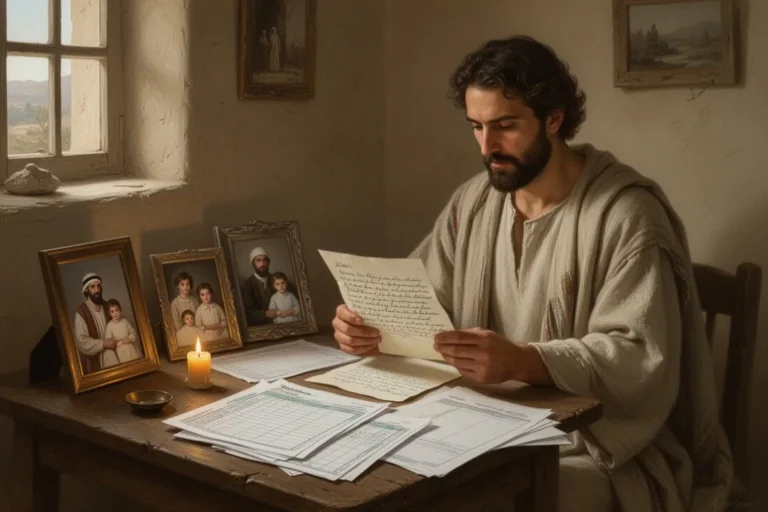
Thinking about mortality is not only a spiritual exercise. Basic preparation can reduce confusion for the people who may need to act on your behalf. It also gives you an opportunity to express your wishes about medical care, funeral arrangements, digital accounts, and personal belongings.
Record health care wishes. Consider an advance directive and identify someone who can speak for you if you cannot make medical decisions.
Review financial documents. Keep wills, beneficiary designations, insurance information, and account details in a secure place.
Discuss preferences. Tell trusted people whether you have wishes about burial, cremation, memorial services, organ donation, or religious rites.
Organize important contacts. Include doctors, relatives, advisers, clergy, and anyone who should be notified.
Protect digital information. Make a lawful plan for photographs, subscriptions, online accounts, and devices.
Update the plan. Revisit documents after major life events such as marriage, divorce, a birth, a move, or a serious diagnosis.
Laws and document requirements differ by state, so professional legal or medical guidance may be appropriate. Planning does not predict when death will occur. It gives your preferences a better chance of being understood and respected.
How to live with uncertainty about the afterlife
You do not need complete certainty before living according to your values. A person who believes in an afterlife may focus on compassion, forgiveness, and spiritual practice. A person who believes consciousness ends may focus on reducing suffering, strengthening relationships, and using this life responsibly. A person who is undecided can live thoughtfully while continuing to ask questions.
Try separating what you hope is true from what you think is most likely. Hope can be emotionally and morally important, but recognizing it as hope keeps it from being confused with proof. You can also acknowledge the limits of human knowledge without treating every possibility as equally supported.
Questions about death often reveal what matters most in life: love, justice, reconciliation, courage, family, service, beauty, or faith. The possibility of death can deepen attention to ordinary time without requiring a single answer about what follows. Meaning may come from the relationships you care for and the choices you make while you are alive.
When professional or spiritual support can help
Consider speaking with a qualified professional if thoughts of death become constant, interfere with sleep, trigger panic, or make daily responsibilities feel impossible. A licensed therapist can help with anxiety, grief, trauma, or obsessive fears without deciding your spiritual beliefs for you.
A chaplain, pastor, rabbi, imam, Buddhist teacher, or other trusted spiritual adviser may help when your questions are tied to a tradition. Choose someone willing to respect uncertainty and personal boundaries. Support should not rely on threats, pressure, or claims of certainty that leave you more frightened.
If you are thinking about ending your life or feel unable to stay safe, contact emergency services or a crisis service in your area now, and tell a trusted person who can remain with you. Questions about the afterlife deserve care, but your immediate safety comes first.
Frequently asked questions
Does science prove that an afterlife exists?
No. Science has documented relationships between brain function and consciousness, and it studies reports such as near-death experiences. Those findings may be meaningful, but they do not establish that consciousness survives permanent death. Claims about souls, heaven, reincarnation, or another realm generally belong to religion, philosophy, or personal interpretation rather than settled scientific knowledge.
Are near-death experiences evidence of life after death?
Near-death experiences are real reports of powerful perceptions during medical crises, but their meaning remains debated. Possible explanations include changes in brain activity, oxygen levels, medication, memory, and extreme stress. Some people interpret them as contact with an afterlife, while others see them as experiences produced by the brain. Respecting the experience does not require accepting one explanation.
What should I say when a child asks what happens after death?
Start with a clear explanation that the body has stopped working and the person will not return. Then describe your family’s religious or spiritual belief in simple language, or admit that you are unsure. Avoid misleading euphemisms such as saying someone “went to sleep.” Invite questions and expect the child to revisit the subject as understanding develops.
How can I prepare for my own death?
You can write or update an advance directive, choose a health care decision-maker, review your will and beneficiaries, organize essential documents, and discuss funeral or memorial preferences. Include information about important contacts and digital accounts. Because legal requirements vary, an estate-planning attorney or qualified adviser can help ensure your documents are valid where you live.


Leave a Reply