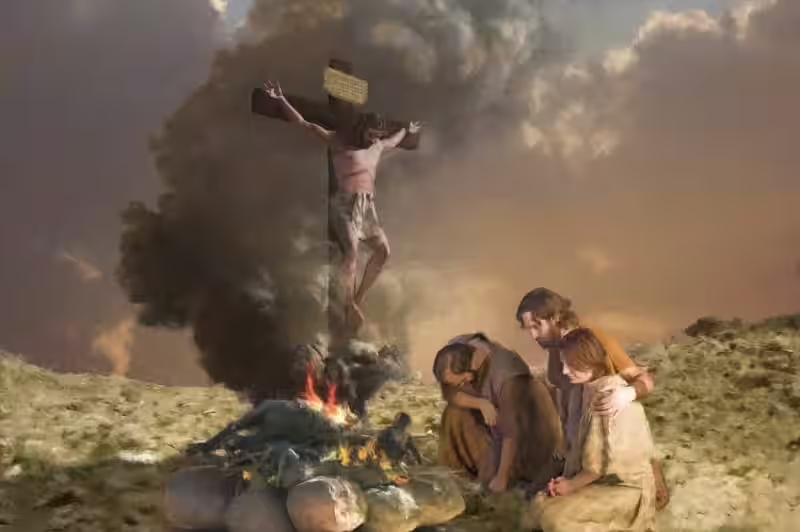
The Angels Are the Reapers: A Theological Exploration
The Angels Are the Reapers: A Theological Exploration
The concept of angels as reapers transcends simple imagery; it delves into the profound mysteries of life, death, and the divine order. Across various religious traditions, these celestial beings are not merely messengers, but also powerful agents of change, intricately connected to the cycles of existence. This exploration seeks to unravel the multifaceted symbolism and implications of this idea. It's a contemplation of fate and freedom, and the complex interplay between divine will and human agency that shapes our earthly journey.
For many, the image of the angel as a gentle protector is deeply ingrained in their understanding of spirituality. But, in certain theological perspectives, these divine beings also embody a stern, yet just, judgment. Imagine the angel as both a comforting presence and an embodiment of the inexorable force of change, both life-affirming and life-ending. This duality offers a richer understanding of the divine nature. This powerful depiction highlights the universal truth that all life is transient, and that even in death, there's a divine hand guiding us toward the next stage of existence.
The Divine Harvest: Angels as Instruments of Divine Judgment
The idea of angels as reapers often connects to a divine judgment or harvest. The imagery is powerful: a celestial scythe cutting down the ripe souls, a harvest of the righteous and the wicked. Consider the parable of the wheat and the tares, where good and bad are separated. This judgment isn't simply about assigning good or bad; it's about ensuring the proper order of the universe. It reflects a belief that even in the face of death, a righteous order exists, where souls are guided to their rightful place.
This notion often manifests in symbolic language. For example, the Book of Revelation describes angels with swords, not just to destroy but to separate the righteous from the wicked. This isn't a cruel act, but a necessary part of the divine plan, akin to a farmer separating the good crops from the weeds. This analogy suggests that the separation of souls is essential to the divine order, a necessary stage in the grand cosmic harvest.
Angels as Guides in the Afterlife: Beyond the Reaper’s Image
While the image of the angel as a reaper is powerful, it's crucial to remember that this isn't the sole perspective. Many faiths see angels as guides and protectors beyond death, welcoming souls into the next realm. These same angels might be seen as custodians of the threshold, ensuring safe passage for the departed. This aspect highlights the comfort and solace these beings offer not only to the living but also to the dying.
Consider this: the angel isn't merely taking a life, but escorting a soul, ensuring a smooth transition to the next stage of existence. This can be a powerful source of hope and comfort during times of grief and loss. Think of the concept of guardian angels, who accompany us throughout our lives, extending their care even beyond the veil of death and offering solace in the face of the unknown. Different perspectives highlight the multifaceted role of divine beings in our existence.
Cultural Variations and Interpretations
The concept of angels as reapers isn't universally interpreted in a single way across cultures and religions. In some traditions, the angel as reaper embodies a just but tragic role, while others consider that angels as reapers are messengers of salvation. While the basic idea of a divine hand in the process of death remains, the specific details and symbolism can differ greatly. Consider these variations:
Ancient Egyptian Mythology: Death was often personified as a powerful entity, contrasting with the idea of gentle angels.
Indigenous Traditions: Angels may not have a presence at all, but the concept of a guiding soul is present.
Modern Interpretations: Angels are often seen as symbols of faith, hope, and love, rather than figures associated with death.
These variations demonstrate the dynamic and evolving nature of religious thought. The diverse interpretations reflect the human need to comprehend the mysteries of life and death, and the search for meaning in the face of the unknown. The concept of angels as reapers is a testament to this universal quest for understanding.
Conclusion: A Deeper Understanding
The concept of angels as reapers is a rich and complex one, offering a profound glimpse into the relationship between the divine and humanity. It’s not merely a matter of death and judgment, but a reflection on life's cycles, the divine plan, and the ultimate destination of the soul. This symbolism invites us to consider the nature of faith, hope, and love, the potential for divine justice, and the meaning of our own existence. It encourages us to ponder the big questions about our place in the universe and the ultimate mysteries of the soul.
Ultimately, the diverse interpretations of this concept remind us that religious belief is not static. It's a living tradition, constantly evolving and adapting to the needs and questions of those who seek to understand their place within the cosmos. By examining the concept of angels as reapers, we can gain deeper insight into the rich tapestry of human experience and the enduring search for meaning in the face of mortality. This exploration encourages a deeper engagement with the rich theological and cultural landscape, reflecting on the profound questions that have captivated humanity for millennia.
Frequently Asked Questions
What is The Angels are the Reapers about?
The Angels are the Reapers is a fictional work, exploring a unique take on religious themes and concepts.
What is the religion in The Angels are the Reapers?
The fictional religion within the work is a complex and evolving system of beliefs, incorporating elements of existing religions but with unique interpretations and practices.
How do the angels function as reapers?
The angels in this context act as agents of transition and change, guiding souls through the process of death and rebirth.
What are the core beliefs of this religion?
The core beliefs revolve around the cyclical nature of existence and the importance of embracing change, with a focus on individual responsibility and spiritual growth.
What is the role of free will in this religion?
Free will is a central element, impacting the path of one's soul and their experience in the afterlife.
Are there different types of angels in this religion?
Yes, different types of angels exist within the mythology, each with specific roles and responsibilities.
Are there any rituals or ceremonies associated with this religion?
Specific rituals and ceremonies are detailed in the fictional work.
What is the significance of the afterlife in this religion?
The afterlife in this religion is a place of transformation and spiritual growth, not simply a reward or punishment.