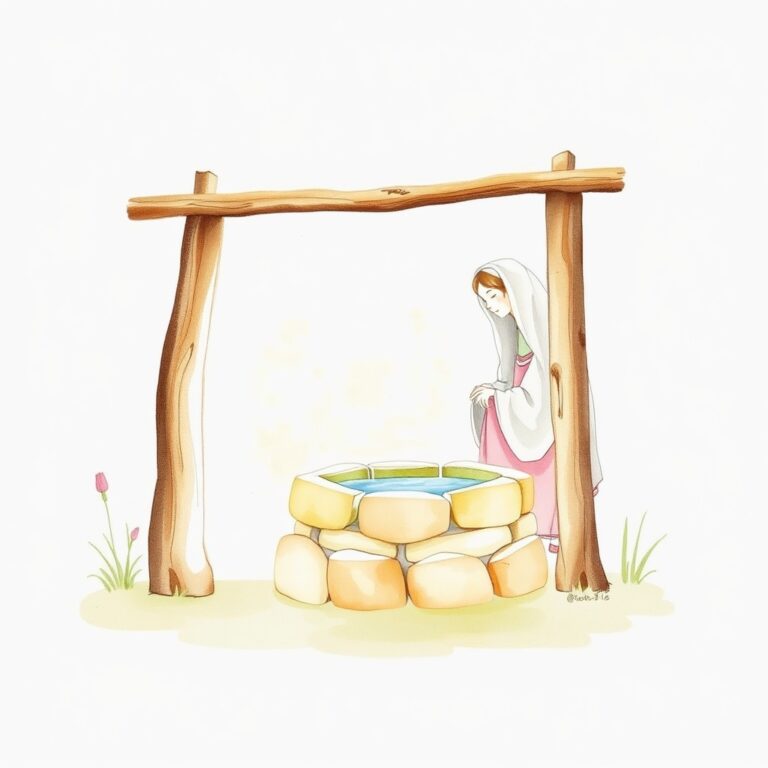
Commentary on the Samaritan Woman: Jesus’ Living Water and True Worship
Quick Answer: This commentary on the samaritan woman (John 4) shows how Jesus meets real people with real questions. He begins with a need for water, then reveals the deeper thirst of the soul. The result is honest conversation, transformative grace, and worship that moves from location to truth—fueling her courage to testify to others.
Historical context: Samaria, worship tensions, and a surprising encounter
John 4 places Jesus in Samaria, where cultural and religious tensions ran deep. Samaritans were regarded as outsiders by many Jews, and travel routes often avoided the region. Yet Jesus intentionally goes there and sits at Jacob’s well, showing that God’s mission crosses boundaries.
The conversation also touches a major worship debate. Jews tended to associate proper worship with the temple in Jerusalem, while Samaritans emphasized worship on Mount Gerizim. This dispute was not only geographic; it shaped identity, pride, and assumptions about who “belonged.”
Into that landscape Jesus speaks with uncommon clarity and compassion. He does not approach the woman as an “issue” to be argued, but as a person to be known. The dialogue moves from physical needs to spiritual realities: water, thirst, sin, and salvation. By doing so, Jesus models how the gospel addresses the whole life—our habits, our hurts, our search for meaning, and our deepest need for God.
This is why the account continues to speak across generations. It reveals that God’s grace is not limited by ethnicity, past failures, or social status—and that true worship begins when we meet Jesus honestly.
Original-language note: “living water” and “worship”
In John 4, Jesus’ phrase “living water” conveys more than ordinary water. The Greek wording emphasizes water that is not merely stored or drawn, but that can refresh and sustain—water associated with life. The woman hears it as physical water, but Jesus uses it to point to spiritual provision: God’s gift that satisfies deeper thirst.
Jesus also speaks about “worship.” The Greek concept behind worship in this setting includes reverent service and devotion, not just a moment of singing or ritual. When Jesus says true worship is “in spirit and in truth,” the idea is that worship must engage the inner life (spirit) and align with reality revealed by God (truth). In other words, worship is transformed from outward location and inherited assumptions into a response to Christ himself.
1) The conversation starts with needs—but Jesus goes deeper
Jesus begins the encounter with something tangible: thirst. He asks the woman for water, and she responds with surprise. This opening matters. It shows that the gospel is not detached from daily life. Jesus meets her at the well, where she actually lives and works, not in a distant religious classroom.
Then Jesus turns the moment into a doorway. When He speaks of “living water,” the woman misunderstands at first, thinking only in physical terms. Many people relate to Jesus the same way: they hear about salvation, but they process it like a religious topic rather than a life-giving relationship.
Jesus’ next steps are both discerning and compassionate. He brings up her real history—not to humiliate her, but to expose the emptiness that has driven her to keep returning to the same patterns. The woman’s life had been shaped by broken relationships and repeated searching. Jesus reveals the truth not as a weapon, but as a mercy that makes change possible.
This section of the John 4 account highlights a consistent gospel pattern: Jesus addresses the surface need, confronts the underlying condition, and offers divine provision that can satisfy. He does not merely critique; He invites. That is why the woman’s reaction matters—she moves from conversation to realization, and from self-protection to spiritual curiosity.
2) Jesus reframes worship: from location to truth
As the dialogue continues, the woman brings up a religious dispute: worship on the right mountain versus worship tied to Jerusalem. On the surface, it looks like she wants to debate theology. But Jesus uses her question to correct the core issue. Worship is not finally determined by geography or tradition; it is determined by God’s truth and the presence of the Messiah.
When Jesus tells her that true worship will be in spirit and in truth, He is not dismissing worship altogether—He is repositioning it. He is showing that genuine devotion comes from a heart awakened by God and aligned with reality. In effect, Jesus tells her: “You’ve been measuring religion by externals. I’m showing you what God is seeking—worship that comes from knowing Him.”
That reframing is also deeply personal. The woman comes to the well with a complicated past and a guarded spirit. Jesus’ words call her beyond defenses. He reveals that worship is not only what you do, but who you meet. Once she begins to recognize Jesus’ identity, her questions become faith-shaping rather than merely argumentative.
Her confession grows as the conversation matures. She begins with misunderstandings, then engages Jesus with sincere hope, and finally moves toward testimony. The point is clear: when Jesus is met, worship becomes response. And when response becomes courage, worship overflows into mission.
3) Grace creates witness: the woman becomes a messenger
One of the most striking outcomes in this account is what happens after the woman receives insight from Jesus. She leaves her water jar. That small detail signals something major: she is no longer focused only on the physical task. Her attention shifts from the well to the Savior.
Then she testifies to her community. She does not deliver a polished argument. She shares what she has experienced: Jesus told her things that she had not previously confessed to others in this way. Her testimony is simple, but it is credible because it is rooted in personal encounter.
In many cultures, a woman with her history might be expected to remain silent. Yet grace reverses the pattern. Jesus does not treat her as disposable. He transforms her into a witness.
This is one reason this account is so encouraging for today’s reader. The gospel does not merely offer forgiveness; it also rebuilds identity. Jesus meets us as we are, but He also sets us on a different path—one where our “past” no longer defines our “purpose.”
The townspeople come to Jesus because her words awaken curiosity in them. That means the woman’s testimony becomes a bridge for others. God often uses ordinary conversations, in ordinary places, to spark kingdom change.
Practical application: how to meet Jesus where you are
First, allow Jesus to speak to real life. In John 4, the gospel begins at a well—not in a fantasy world. Bring your actual thirst: weariness, regret, loneliness, ambition, or spiritual dryness. Jesus still meets people at the point of need.
Second, don’t fear truth. The woman’s encounter includes exposure of sin and patterns. Yet the purpose is healing, not humiliation. Invite the light of Christ into what you hide. Honest conversation with Jesus can lead to freedom.
Third, shift from religion to relationship. If your worship is mainly about location, performance, or debate, Jesus calls you back to “spirit and truth.” Ask: Do I worship in sincerity? Do I seek truth that points to Christ?
Finally, expect witness. The woman’s testimony was brief, but it was real. Consider one person God has placed near you—someone who needs hope, not judgment. Share what Jesus has revealed in you. The same Living Water that changed her can change others through your words.
Related Bible Passages
John 7:37-38
Jesus offers living water that satisfies and flows outward to bless others.
Psalm 51:6
God delights in truth in the inward parts, aligning the heart before Him.
Romans 6:4-6
Grace brings newness of life, breaking the grip of old patterns.
Matthew 11:28-30
Jesus invites the weary to come to Him for rest—an echo of the well-side invitation.
Frequently Asked Questions
What is the main message of the John 4 encounter with the Samaritan woman?
The main message is that Jesus offers living water—spiritual satisfaction—and reveals truth that frees people to worship God rightly and testify to others. The conversation moves from physical need to spiritual identity, showing that grace meets us where we are.
Why does Jesus mention worship on “this mountain” versus Jerusalem?
Because Jesus redirects the focus from external locations and inherited disputes to true worship “in spirit and in truth.” He teaches that God is seeking sincere devotion aligned with reality revealed by Christ, not merely a place.
How does this passage address sin without shaming the woman?
Jesus speaks truth about her life with compassion and purpose. The goal is not to humiliate but to bring her into freedom. By exposing what is broken, He creates space for faith and new direction.
How can I apply this as a modern devotional when I feel stuck spiritually?
Begin by being honest with Jesus about your thirst. Then ask Him to clarify what “truth” means for your worship and daily choices. Finally, take one step of witness—share one personal experience of God’s help with someone God places in your path.
A Short Prayer
Lord Jesus, thank You for meeting us with grace that does not ignore our needs. Like the Samaritan woman, help us exchange hiding for truth and dryness for living water. Rebuild our worship so it is sincere and grounded in You. Give us courage to testify with humility and love. Use our words and changed lives to bring others closer to You. In Your name, Amen.
Key Takeaway: Jesus’ living water transforms honest conversation into worship and courageous witness.