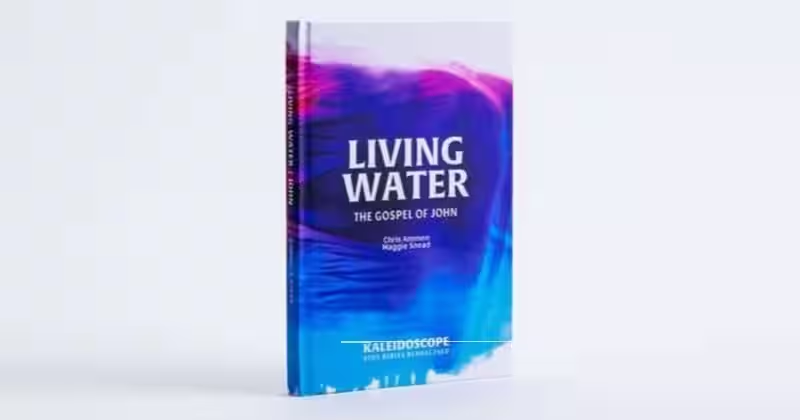
John's Gospel, a cornerstone of Christian scripture, presents a unique perspective on Jesus. Central to this perspective is the concept of "living water." This isn't just a metaphor; it's a profound theological concept that speaks to our deepest human needs. Understanding this concept unlocks a deeper connection with the message of Jesus and its relevance for modern life. We will explore the various facets of this idea, tracing its significance throughout the Gospel.
Imagine a world parched with thirst. The physical thirst that gnaws at the belly is a tangible representation of our spiritual thirst. John's Gospel portrays Jesus as the source of this living water – a constant, refreshing stream that quenches this inner emptiness. It's not just about satisfying a momentary need; it speaks to a deep-seated longing for meaning, purpose, and connection. This connection goes beyond the superficial and reaches the very core of our being.
Thirst is repeatedly highlighted in John's Gospel as a powerful symbol. The disciples, encountering Jesus, experience this thirst. They require a profound transformation, a fundamental shift in their understanding of the divine. This thirst, when coupled with the promise of living water, opens the heart to receive the life-giving message of Jesus. This idea is further emphasized through the various encounters Jesus has with individuals throughout the book, reminding us that the thirst for the living water is not just a metaphor but a deeply felt human experience requiring a response.
Consider the Samaritan woman at the well. Her thirst for connection and belonging, although initially about physical needs, becomes a gateway to a deeper understanding of Jesus. Her encounter with Jesus shows us that the living water isn't just about spirituality; it's also about mending broken relationships and fostering empathy. This highlights how John's Gospel addresses the fundamental human desire for connection and meaning in life. Thirst acts as a catalyst for spiritual growth and transformation, pointing to the profound impact of Jesus's message.
The Living Water as a Source of Eternal Life
The concept of living water in John's Gospel is inextricably linked to eternal life. This isn't simply a promise of life after death, but a present reality. Spiritual life, the ability to connect with a divine purpose, and the joy of meaningful relationships are all part of this dynamic. Jesus explicitly states that anyone who drinks from this source will never thirst again, highlighting the enduring and fulfilling nature of this relationship.
This living water is not a static concept, but a dynamic force. It's a continuous flow of grace, healing, and transformation. Think of the transformative power of hope, love, and compassion. John's Gospel emphasizes that receiving the living water is about embracing these qualities within yourself, and, in turn, in others. This idea also underscores the interconnectedness of all things, reflecting a belief in a divine order that sustains us all. This concept leads to a profound understanding of our relationship to the divine.
The Living Water and the Church Today
How can the concept of living water resonate in our modern world? The challenges we face – isolation, loneliness, and the feeling of disconnect – mirror the thirst that individuals in John's time experienced. Today's Church community, armed with the understanding of living water, can play a vital role in meeting those needs. It can be seen through:
These actions foster a sense of connection and belonging, echoing the profound message of the living water.
The concept of living water in John's Gospel offers a powerful and timeless message. It's a call to connect with a source of unending sustenance. It's about recognizing our inherent needs for belonging, purpose, and connection, and understanding that Jesus is the living water that satisfies these deep-seated desires. By reflecting on these concepts, we can find renewed meaning and purpose in our lives, striving to nourish ourselves and others with the living water that comes from faith and love.
Frequently Asked Questions about the Living Water Gospel of John
What is the Living Water in the Gospel of John?
The Living Water, referenced in John 4:10-14, symbolizes the spiritual life and salvation that comes from Jesus Christ. It is contrasted with the physical water of earthly sources, signifying a deeper, more profound thirst quenched only by a relationship with God through faith in Jesus.
What does the Gospel of John mean by "living water"?
The concept of "living water" in John represents the Holy Spirit, God's presence dwelling within believers, empowering and sustaining them for eternal life. It signifies a continuous flow of spiritual nourishment and renewal, contrasted with the temporary satisfaction of earthly pleasures.
How does the Living Water relate to other teachings in the Gospel of John?
The Living Water concept links with Jesus' other teachings on eternal life, the nature of God, and the importance of faith. It emphasizes the transformative power of a personal relationship with Jesus Christ, leading to spiritual fullness and a deeper connection with God.
Does the Living Water concept apply to all religions?
No, the Living Water concept, as presented in the Gospel of John, is specifically linked to a Christian understanding of salvation and a relationship with Jesus Christ.
What is the significance of Jesus being called the "wellspring"?
The imagery of Jesus as the "wellspring" (John 4:14) connects Him as the source of true spiritual life and sustenance, in contrast to the temporary and limited satisfaction of physical needs.