Navigating the Books of the Bible: A Categorized Journey
Navigating the Books of the Bible: A Categorized Journey
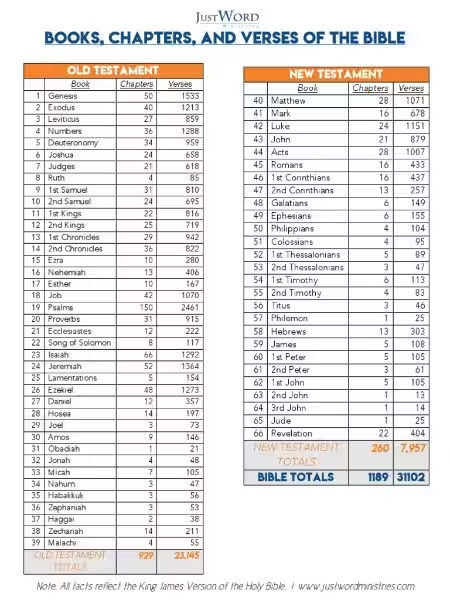
The Bible, a cornerstone of many faiths, is a vast collection of texts. Understanding its structure can make navigating its diverse content much easier. Rather than a random assembly of stories and pronouncements, the Bible is organized into distinct groups of books, each with its own unique character and purpose. By understanding these categories, we can better appreciate the overarching narrative and the individual contributions of each book.
These categories are not arbitrary; they highlight thematic connections and chronological sequences. For example, the historical books tell of the Israelites' journey from their origins to their eventual establishment as a nation. This understanding allows us to see the historical context and progression within the biblical narrative, connecting the stories and events to a broader timeline and purpose.
The Pentateuch, often called the Torah in Jewish tradition, forms the bedrock of the Bible. These first five books—Genesis, Exodus, Leviticus, Numbers, and Deuteronomy—establish the foundation for Jewish law, the covenant between God and humanity, and the story of creation and the early Israelites. They contain fundamental stories like the creation of the world, the flood, and the exodus from Egypt. These narratives provide insights into God's dealings with humanity and the origins of religious practice. Genesis, for example, details the creation of the universe and the beginning of human history.
The Pentateuch is crucial for understanding later biblical books. The covenants and laws laid out here influence and inform the subsequent narratives. Understanding these foundational stories provides a crucial context for interpreting later books, such as the prophets and the Gospels. These principles, like the concept of covenant, are reflected and expanded upon in later writings.
The Historical Books provide a timeline of Israelite history, from their settlement in Canaan to the Babylonian exile. Books like Joshua, Judges, Ruth, Samuel, Kings, and Chronicles detail the triumphs and tribulations of the Israelites, their kings, and their prophets. These accounts offer valuable insights into human nature and the consequences of choosing obedience or disobedience towards God. Judges narrates the cycles of apostasy and divine intervention within the Israelite society.
Through these accounts, we see the human condition reflected in the struggles and victories of these historical figures. These stories also highlight the importance of faith and obedience in the face of adversity. A key theme in these books is the recurring cycles of national prosperity and decline. These historical accounts provide valuable context for understanding the later prophetic messages.
Poets and Wisdom Literature: Reflection and Instruction
The books of poetry and wisdom literature, including Psalms, Proverbs, Job, Ecclesiastes, and Song of Solomon, offer profound reflections on faith, life, and the complexities of human experience. Psalms, for example, are a collection of prayers, hymns, and poems expressing a range of human emotions—joy, sorrow, praise, and lament. Proverbs, on the other hand, offer practical advice on living a virtuous and meaningful life. These books offer a deeper understanding of the human condition and the nature of faith.
Their themes are deeply relatable. They explore questions of justice, suffering, love, and the meaning of life. These books showcase the power of poetic expression and the enduring value of wisdom and reflection. They often present diverse viewpoints and encourage critical thinking about the choices and challenges of life.
Major and Minor Prophets: Messages of Hope and Warning
The prophetic books—Isaiah, Jeremiah, Ezekiel, Daniel, and the twelve minor prophets—convey messages of hope, warning, and judgment. Prophets delivered God's words to the people, often challenging their actions and urging them to return to God. Their messages cover a wide range of topics, including social justice, repentance, and the future restoration of Israel. Jeremiah's prophecies, for example, are filled with warnings about the impending destruction of Jerusalem.
These messages often connect the present actions of the Israelites to their future fate, offering guidance and a call to repentance. These books also portray vivid imagery and powerful language to emphasize the importance of their warnings. The prophets' messages offer a blueprint for spiritual and ethical living. Their prophecies are interpreted in many ways, offering a rich source of reflection and interpretation for the reader.
The Gospels and New Testament Writings: The Life and Teachings of Jesus
The Gospels—Matthew, Mark, Luke, and John—detail the life, teachings, death, and resurrection of Jesus Christ. These books are central to Christian faith and provide accounts of Jesus' miracles, parables, and teachings on love, forgiveness, and the kingdom of God. The Gospel of Luke, for example, focuses on the historical context of Jesus' life.
The New Testament also includes writings like the Acts of the Apostles, Epistles (letters), and Revelation. Acts details the early growth of the Christian church. The epistles provide theological instruction and practical guidance for believers. Revelation offers a vision of the end times and the ultimate triumph of God. These writings further develop the teachings of Jesus and solidify the theological and practical basis of Christian belief.
Conclusion: Understanding the Bible’s Interconnectedness
By understanding the various categories of biblical books, you can gain a richer appreciation for the overall narrative and themes. The Bible isn't just a collection of stories; it's a complex tapestry of history, prophecy, poetry, and wisdom. Embrace the journey of exploring these different perspectives and discover the profound insights they offer into faith, life, and the human experience.
Each category offers a unique window into the human condition, the nature of faith, and the relationship between humanity and God. Understanding these categories will improve your ability to engage with the Bible and appreciate its broad sweep. Whether you're a seasoned reader or just beginning your journey, explore these diverse perspectives and find your own connections with this enduring collection of texts.
Frequently Asked Questions
What are the different categories of books in the Bible?
The books of the Bible are generally categorized into the Old Testament and the New Testament. The Old Testament is further divided into historical, poetic, prophetic, and law books. The New Testament is composed of Gospels, Acts, Epistles, and Revelation.
What is religion?
Religion is a belief system and practices that relate humanity to spirituality and moral values. It often involves a set of moral codes, rituals, and traditions that guide adherents in their daily lives and their relationship with a higher power or powers.