The Bible, a timeless collection of writings, offers profound insights into the human condition, including the complex relationship between wealth and poverty. It grapples with the societal implications of economic disparity and the spiritual responsibilities of those who possess abundance and those who struggle with scarcity. This exploration delves into the biblical perspectives on riches, poverty, and the role of compassion in a just society. The verses touch on the temptations of wealth, the dangers of greed, and the necessity of caring for the marginalized.
Understanding these biblical perspectives can provide a framework for personal reflection and ethical action in our own lives. The wisdom found within these texts offers guidance for navigating the challenges of economic disparity within our communities and the world. Empathy, caring for the vulnerable, and justice are recurring themes. We see examples of both generosity and cruelty in response to wealth and poverty.
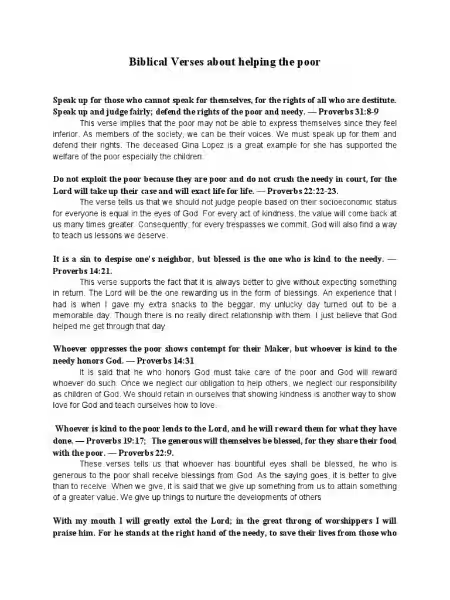
The Bible doesn’t simply condemn wealth or extol poverty. Instead, it frequently highlights the potential pitfalls of excessive wealth and the importance of compassion for the poor. “The wicked borrow and do not repay, but the righteous show compassion and give.” (Psalm 37:21). This verse underscores the difference between those who selfishly accumulate wealth and those who use their resources for the common good. Consider a wealthy businessman who invests in his community through job creation and charitable giving, versus one who hoards their wealth and ignores the needs of others. The latter exemplifies a misuse of wealth.
Conversely, the Bible recognizes the challenges and hardships faced by the poor. “He who has pity on the poor lends to the Lord, and He will repay him for what he has done.” (Proverbs 19:17). This verse emphasizes the connection between helping the poor and serving God. It highlights that compassion for the poor isn’t just a moral imperative but a spiritual one, and it encourages us to see our actions as investments in a righteous life. Imagine a family struggling to provide for their children. A charitable donation could provide essential resources, demonstrating a practical application of this biblical principle.
The Dangers of Greed and Materialism
Throughout the scriptures, a recurring theme is the potential for greed and materialism to corrupt the heart. Jesus’ teachings caution against focusing solely on material possessions. “For what will it profit a man if he gains the whole world and forfeits his soul?” (Matthew 16:26). This verse highlights the spiritual cost of prioritizing wealth above all else. It emphasizes the importance of inner wealth, spiritual growth, and a life centered on service rather than just accumulation. A person driven by greed might sacrifice their relationships and their well-being for the pursuit of more wealth. Conversely, a generous soul finds joy in sharing their blessings.
The pursuit of material possessions can lead to a disconnection from the spiritual and the neglect of essential values. Examples include the parable of the rich man and Lazarus (Luke 16:19-31). This parable illustrates the stark contrast between a man focused on material gain and a poor man suffering in need. God’s judgment is not based on outward wealth but on how we use our resources and treat others. The rich man’s focus on his own comforts overshadows the plight of the poor, emphasizing a critical lack of compassion.
The Bible consistently emphasizes the need for social justice and fairness in society. “Do not oppress the poor because they are poor, and do not crush the afflicted in the gate.” (Proverbs 22:22). This passage directly addresses the injustice of exploiting those less fortunate. A farmer charging exorbitant prices for his crops during a famine, for example, is acting unjustly.
The biblical concept of justice extends beyond personal interactions to encompass systemic issues affecting the poor. “He who oppresses the poor insults his Maker, but he who is generous to the needy honors him.” (Proverbs 14:31). This verse highlights the connection between a person’s treatment of the poor and their relationship with their creator. A society that overlooks the needs of the poor is ultimately disobeying God. For example, neglect of affordable housing policies or lack of access to education for marginalized communities reflects a failure to uphold principles of justice.
The Bible’s pronouncements on wealth and poverty are not simplistic. They offer a nuanced perspective that encourages reflection on our values, motivations, and actions in the face of economic disparities. Compassion, justice, and spiritual growth are paramount. By understanding these biblical perspectives, we can strive toward a more just and equitable world.
These verses, when applied to modern life, can illuminate our choices about wealth, charity, and social responsibility. The scriptures offer guidance for navigating economic realities with compassion and a commitment to the well-being of all members of society.
Frequently Asked Questions
What does the Bible say about rich and poor?
The Bible has many verses addressing wealth and poverty. Some emphasize the importance of generosity and helping the needy, while others warn against the dangers of greed and the love of money. There are passages that speak of God’s care for the poor and marginalized, and also passages about earthly blessings and prosperity. Interpretations vary widely.
The Bible presents a complex view of religion. It emphasizes a relationship with God based on faith, obedience, and love. Different sections of the Bible discuss various religious practices, laws, and beliefs. Different denominations and individuals have different interpretations of what the Bible says about religion.