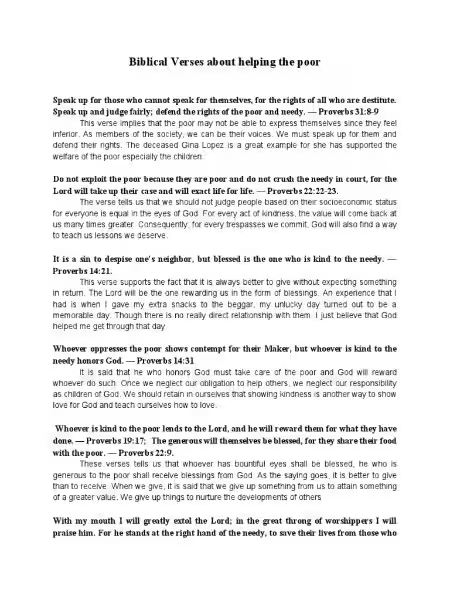
Jesus’s teachings often revolved around the marginalized and vulnerable, and the poor were a significant part of this focus. His words, though sometimes subtle, paint a powerful picture of compassion, justice, and the importance of caring for those in need. Examining these teachings allows us to understand not just historical context but also their relevance to modern life.
A key aspect of understanding Jesus’s message concerning the poor is recognizing that his actions directly impacted the lives of those struggling. His interactions weren’t just eloquent pronouncements; they were practical demonstrations of love and concern. He ate with tax collectors and sinners, demonstrating a radical inclusivity that challenged societal norms. This willingness to associate with the outcasts is a powerful indication of his deep empathy for the poor and marginalized.
The Beatitudes, found in the Sermon on the Mount, offer a profound perspective on Jesus’s view of the poor. While not explicitly about the poor, they offer a framework for understanding the importance of their position. For example, Jesus states that “blessed are the poor in spirit,” a phrase that often gets misunderstood solely as a spiritual state. However, it suggests a contentment and reliance on God rather than material wealth. This spiritual poverty is closely intertwined with a social awareness of those struggling. Furthermore, Jesus’s pronouncements on judging others are a key element to understanding how the poor should be treated. He encourages us to look inward before judging those in poverty.
Consider the example of a wealthy man who holds his wealth as the source of his power. The Sermon on the Mount encourages us to examine the potential pride and arrogance that can accompany wealth. Ironically, this pride can blind us to the needs of the poor. Jesus’s statements about judgment highlight the importance of examining our own motivations and biases before criticizing those around us. This is more than just a religious concept; it’s an ethical imperative for all people.
Material Poverty and Spiritual Riches
Jesus frequently contrasts material poverty with spiritual richness. His teachings emphasize that true wealth comes from a relationship with God, not from earthly possessions. This message challenges the societal values of the time, where wealth often dictated status and power. For instance, the parable of the rich man and Lazarus highlights the stark contrast between the material comfort of the rich and the harsh realities faced by the poor. Such parables demonstrate to us that divine favor is not tied to possessions. Jesus clearly indicates that true riches lie in spiritual values and acts of charity.
A modern example of this concept is the focus on philanthropy and voluntary work. Many individuals and organizations dedicate their time and resources to assist the poor. These actions, inspired by Jesus’s message, underscore the belief that true fulfillment comes from giving back to society rather than just accumulating wealth. This practical application of faith is a direct reflection of Jesus’s teachings on the importance of caring for the poor.
The Kingdom of Heaven and the Poor
Jesus’s teachings on the Kingdom of Heaven frequently include the poor. He often speaks about the Kingdom being a place of equality and justice. This suggests that spiritual wellbeing doesn’t depend on worldly possessions. The poor, in many ways, are often more aligned with the Kingdom’s values because they are not caught up in the traps of materialism. For example, the parable of the sheep and the goats highlights the importance of caring for those in need. The actions we take – or fail to take – towards the poor, directly relate to our place in the Kingdom of Heaven.
The focus on the poor within the Kingdom of Heaven is a call to action. It’s not just about recognizing the poor but actively seeking opportunities to serve them. This could take many forms, from donating resources to volunteering time. By embracing this call to service, individuals can show solidarity with the poor and contribute to a more just and equitable society, just as Jesus did.
Jesus’s teachings on the poor aren’t just historical; they remain relevant today. His messages provide a profound framework for understanding compassion, justice, and the importance of caring for those in need. By applying these principles to our own lives, we can contribute to a more compassionate and equitable world, reflecting Jesus’s profound understanding of the human condition.
Ultimately, Jesus’s teachings about the poor are a call to action and reflection. They encourage us to examine our own hearts and actions, to recognize the dignity of all people, and to strive for a world where everyone can thrive, regardless of their material circumstances. His message isn’t just about giving; it’s about understanding, empathy, and actively working toward a more caring society.
Frequently Asked Questions
What does Jesus say about the poor?
Jesus taught compassion and empathy for the poor. He emphasized the importance of caring for the marginalized and vulnerable, and often used parables and actions to illustrate this. His teachings suggest that helping the poor is a reflection of our relationship with God. He condemned those who exploited the poor and emphasized the importance of justice and fairness. Scripture passages like Matthew 25:31-46 (The Judgment) describe the importance of caring for the needy as a crucial part of following Jesus.
Different religions have varying perspectives on the poor. Many religions emphasize charity, compassion, and social justice, leading to support for the poor and marginalized within their communities. Different religious traditions have different specific doctrines and practices, but often, the poor are seen as deserving of care and protection. Some religious texts encourage helping the poor as a spiritual act, while others emphasize social structures and policies to alleviate poverty.