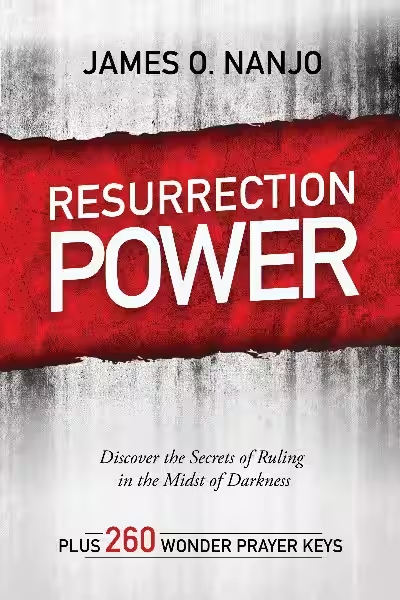
The concept of resurrection resonates deeply within the human spirit, sparking questions about life, death, and the possibility of a new beginning. The Bible, a cornerstone of faith for millions, offers profound insights into this transformative power, painting a vivid picture of hope and renewal. This exploration delves into key passages that reveal the transformative essence of resurrection power, offering practical insights for navigating life’s challenges.
Imagine a world where loss is permanent, where the vibrant tapestry of life is irrevocably severed by death. The Bible’s powerful narratives about resurrection, however, present a contrasting perspective. It paints a picture of a universe where life transcends mortality, where the seeds of hope and renewal are sown even amidst the darkest of circumstances. These accounts serve as powerful reminders of the resilience of the human spirit and the enduring power of faith.
The Gospels, recounting the life and teachings of Jesus, are brimming with accounts of resurrection. These narratives are not merely historical accounts but powerful metaphors for the potential within each of us. For example, the resurrection of Lazarus (John 11) showcases God’s ability to overcome even the most profound loss. The event powerfully emphasizes the connection between faith and action, urging us to have faith in God’s power even when facing seemingly insurmountable obstacles. This story shows the potential for miraculous intervention and the triumph of life over death.
Another significant example is the resurrection of Jesus Christ (Matthew 28). His resurrection became the cornerstone of the Christian faith. For believers, this event represents the ultimate victory over death, the promise of eternal life, and the embodiment of hope. It underscores the truth that even in death’s grip, there exists a path to renewed life, a path illuminated by divine grace. This is a powerful and profound truth for those who seek meaning and purpose in a world marked by loss and suffering.
The Old Testament, while not explicitly focused on resurrection in the same way as the New Testament, hints at the concept. Stories of the raising of the dead, such as the raising of the widow’s son (1 Kings 17:17-24), serve as profound examples of God’s power over death. These stories are potent reminders of God’s enduring presence and care, even in the most challenging times. Even Joseph’s account of his brothers’ reconciliation in Egypt (Genesis) can be viewed as a resurrection of sorts, highlighting the potential for new beginnings.
The prophetic books of the Old Testament further build upon this concept, often foreshadowing the coming resurrection. These prophecies hint at a future time when death’s grip would be broken, offering a glimpse of hope and a renewed humanity. These passages, though not explicitly about bodily resurrection, foreshadow the revolutionary change that would occur through faith and redemption. This anticipation of a future time of rebirth deeply resonates with the human desire for renewal and transformation.
Resurrection and Personal Transformation
The power of resurrection isn’t limited to divine intervention in the biblical narratives. It also resonates with our personal struggles and daily lives. Consider overcoming addiction, breaking free from unhealthy patterns, or finding renewed meaning after a significant loss. These personal transformations, while not miraculous in the biblical sense, represent a form of resurrection – a rise from the ashes of the past into a refreshed and more meaningful present. Think of someone overcoming trauma, finding a new career, or forging stronger relationships.
The biblical accounts of resurrection inspire us to seek these personal moments of renewal. They provide a framework for reflecting on our own journeys, recognizing our capacity for growth, and embracing the possibility of new beginnings. These experiences, while unique, share a common thread: a powerful shift from a previous state to a healthier, more hopeful one.
How can we practically apply these powerful lessons from the Bible? Cultivating faith, embracing hope, and seeking strength are fundamental steps. For example, fostering a personal relationship with God (or a higher power) can provide solace and guidance in times of struggle. This faith can help us navigate adversity and find meaning in our experiences. Also, understanding the power of forgiveness is vital. Forgiveness, whether for ourselves or others, is a powerful tool for healing and moving forward. It’s a form of personal resurrection, allowing us to shed the burdens of the past and embrace the potential of the future.
Ultimately, the resurrection stories in the Bible offer a message of hope, resilience, and transformation. They remind us that even in the face of death, loss, or personal struggles, there is always the potential for rebirth. By embracing these principles, we can actively participate in our own personal resurrections and create a more meaningful and hopeful life. This process is a deeply personal one, and it can lead to profound and lasting change.
Frequently Asked Questions about Resurrection Power in the Bible
What are some key Bible verses about the resurrection?
Many verses throughout the Bible speak to the concept of resurrection, but some of the most prominent include John 11:25-26, Matthew 28:5-7, 1 Corinthians 15:12-28, and Luke 24:5-7. These verses detail the resurrection of Jesus Christ and its implications for believers.
What is the significance of the resurrection in different religions?
The concept of resurrection varies greatly across religions. In Christianity, the resurrection of Jesus is central to the faith, signifying the victory over death and the promise of eternal life for believers. Other religions, such as Judaism, have varying beliefs about resurrection, often tied to the future. Islam also teaches a concept of resurrection and judgment day.
How does the Bible describe the power of resurrection?
The Bible describes the resurrection power as a divine attribute, stemming from God’s ultimate authority over life and death. It is often connected to faith, belief, and the promise of a new life. The power of resurrection demonstrates God’s love and his promises to those who trust in Him.
What is the connection between the resurrection and faith?
The Bible emphasizes the connection between faith and the resurrection. Faith in the resurrection of Jesus Christ is a cornerstone of Christian belief. The resurrection is viewed as a demonstration of God’s power, and faith is necessary to accept and understand the implications of this event.
How does the concept of resurrection relate to hope for the future?
The resurrection offers hope for the future life, suggesting a transformation and the possibility of overcoming death. For Christians, belief in Jesus’ resurrection fuels hope in eternal life and the promise of a new reality. This concept of resurrection is central to many religious beliefs.