The desire to reconstruct sacred spaces, to rebuild temples, echoes throughout human history. It’s a potent symbol of faith, resilience, and the enduring human need to connect with the divine. From ancient civilizations to modern-day movements, the act of rebuilding a temple represents more than just physical construction; it embodies a spiritual renewal, a reaffirmation of values, and a reflection of the society’s evolving beliefs. The motivations behind these projects vary, but they often involve a profound longing for a stronger collective identity and a desire to re-establish a sense of order and purpose.
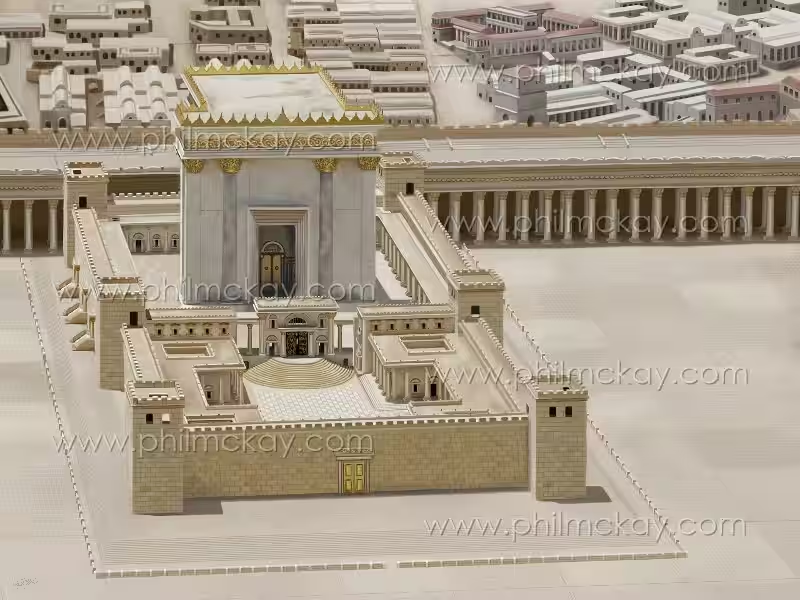
Consider the ancient Jewish temple in Jerusalem. Its destruction and subsequent rebuilding, spanning centuries, have been deeply interwoven with the nation’s history. This isn’t just an architectural endeavor; it’s a story of hope, perseverance, and faith in the face of adversity. The temple served not only as a place of worship but also as a center of cultural identity and a physical manifestation of the covenant between God and the Jewish people. This illustrates the powerful connection between religious practice and societal structure. Multiple attempts at rebuilding the temple underscore the importance of these spaces for the faith community.
The concept of rebuilding a temple isn’t always universally embraced. Different faiths and perspectives hold varying interpretations of the significance of such projects. For some, it’s a critical act of spiritual renewal, a reaffirmation of their religious beliefs and practices. For example, in certain religious traditions, the temple is seen as a conduit to the divine, a place where devotees can connect with the sacred and receive blessings. This view often emphasizes the symbolic importance of the temple structure.
However, others might view the rebuilding of a temple through a more critical lens, focusing on the potential societal implications. Such considerations could encompass factors like economic investment, social equity, and the potential for the project to exacerbate existing tensions or create new divisions within the community. For instance, the cost of rebuilding could divert resources away from other important societal needs, potentially creating inequality. Careful consideration of these broader social implications must accompany the spiritual drive behind the project.
The Impact on Religious Practices
The rebuilding of a temple fundamentally impacts religious practices. It often leads to a re-evaluation of rituals, traditions, and community gatherings. New practices might emerge, old ones might be revived, or existing ones might be modified to reflect the changes in the physical space. A new temple’s design and layout can profoundly shape the experience of worship and prayer. For example, the introduction of specialized spaces for different devotional activities can lead to a more structured and organized religious experience.
Furthermore, the rebuilding process itself can become a source of spiritual reflection and communal bonding. The collective effort involved, from fundraising and planning to construction and dedication, fosters a sense of shared purpose and identity. It strengthens the bonds within the religious community and creates a sense of belonging. The community spirit that emerges from this collaborative effort can be a testament to the resilience of faith.
The Role of Society in Temple Rebuilding
The rebuilding of a temple isn’t solely a religious endeavor; it often involves significant social, cultural, and political considerations. The project’s funding, approval, and implementation can spark intense debates and discussions within society. Political considerations, economic realities, and community needs play a crucial role in determining the success or failure of temple rebuilding projects. For instance, securing funding might require navigating complex negotiations with various stakeholders.
Furthermore, the rebuilding of a temple can profoundly impact the community’s identity and values. It can solidify a community’s historical and cultural heritage, fostering a stronger sense of belonging and shared experience. Similarly, it can spark discussions about tolerance, respect, and religious diversity. A prominent example of this is the rebuilding of temples in conflict zones, which can serve as symbols of peace and reconciliation.
In conclusion, the rebuilding of a temple, across religions and cultures, is a complex process with multifaceted implications. It’s a testament to the enduring power of faith, a marker of resilience in the face of adversity, and a reflection of a society’s values and aspirations. The rebuilding process isn’t merely about bricks and mortar; it’s about spiritual renewal, social cohesion, and the quest to connect with the divine and with each other. The impact of this process, both positive and negative, extends far beyond the temple walls, shaping the fabric of society itself.
Ultimately, the rebuilding of a temple is a journey of faith, a testament to the human spirit’s capacity for profound belief and the need to create spaces for connection in the face of the world’s challenges. It is a complex process that often encompasses a deep reflection on the meaning of faith and its significance within society.
Frequently Asked Questions
What is the purpose of rebuilding the temple?
The purpose of rebuilding the temple varies depending on the specific religious perspective. Some believe it is a necessary step for spiritual renewal and connection with the divine. Others view it as a significant historical event signifying a return to former glory or a fulfillment of prophecy.
What are the different religious perspectives on the temple’s rebuilding?
Different religions have varying perspectives on the temple’s rebuilding. Some actively support and advocate for the rebuilding, interpreting it as a crucial step in their faith. Others may oppose the rebuilding, citing differing interpretations of religious texts or concerns about its potential impact on society and interfaith relations.
What are the historical precedents for temple rebuilding?
Throughout history, numerous religious communities have rebuilt temples or other sacred structures. These instances often involved significant cultural and social upheaval, and the reasons for rebuilding vary from restoring lost religious heritage to marking a period of renewed faith and prosperity.
What are the potential social and political implications of rebuilding the temple?
Rebuilding a temple can have significant social and political implications, potentially fostering unity or division depending on the community’s response. It may also have ramifications for interfaith relations and the broader socio-political landscape of the region.
What are the ethical considerations regarding the temple’s rebuilding?
Ethical considerations surrounding temple rebuilding often involve questions of land ownership, historical context, and the potential impact on existing communities and religious traditions. Careful consideration of these factors is crucial to ensure a just and equitable process.