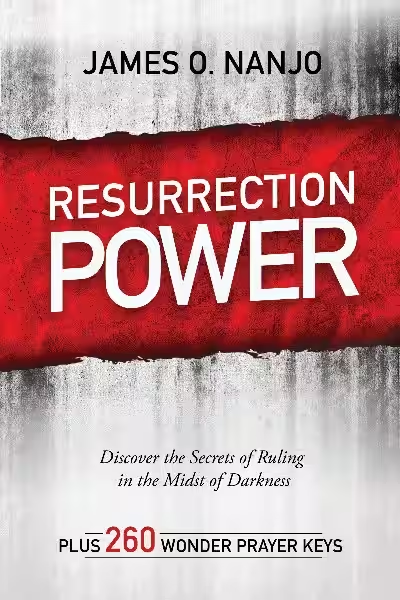
The concept of resurrection, a cornerstone of many faiths, speaks to a profound and transformative power. It’s a belief that life transcends death, that the human spirit, or soul, perseveres beyond the confines of the physical body. This concept, deeply rooted in scripture, offers solace, hope, and a profound perspective on the nature of existence. It’s more than just a theological idea; it’s a personal journey of faith, understanding, and growth.
This journey, however, isn’t always straightforward. Questions about the nature of the resurrection, the meaning behind it, and its impact on our lives are often debated and explored. Consider how different cultures and religions have developed their own interpretations of this powerful concept. This exploration isn’t about finding definitive answers, but about opening a dialogue that fosters a deeper understanding of this enduring belief.
Across various religions and scriptures, the theme of resurrection consistently emerges, offering a glimpse into the divine and the human condition. Examples abound. Consider the rebirth narrative within Hindu traditions, or the resurrection of Lazarus in the Christian New Testament. These stories aren’t simply historical accounts; they represent profound spiritual truths, often signifying a renewal of hope and faith. These stories offer a framework for understanding the mysteries of life and death, pointing towards the potential for a continuation beyond the physical.
Different religions offer diverse perspectives on resurrection. For example, in Buddhism, the concept of reincarnation emphasizes the cycle of birth, death, and rebirth, governed by karma. In contrast, Abrahamic faiths emphasize a bodily resurrection, where the deceased will be resurrected to a new realm, a judgment, and an eternal state. The key is to understand that these different perspectives, while varied, all share a common thread: the belief in a power that transcends the limitations of the physical world.
The Power of Resurrection in Personal Transformation
The concept of resurrection isn’t confined to the afterlife; it also offers a framework for personal transformation in this life. Think of the struggle to overcome hardship, the courage to confront adversity, or the drive to overcome personal limitations. These experiences can be seen through the lens of renewal and rebirth, mirroring the power of resurrection to overcome obstacles and emerge stronger. It’s about the potential for growth, for change, and for a fresh start. It’s about the ability to rise above past mistakes and traumas, and to embrace the future with renewed hope.
For example, imagine someone who has experienced loss, grief, or trauma. The concept of resurrection inspires the belief that, though pain exists, there is hope beyond the present moment. This hope can be a source of strength, resilience, and motivation to navigate the challenges and hardships of life. By recognizing this profound capacity for rebirth, we can find comfort in the face of difficulty and maintain hope for a brighter future.
Scriptures and the Impact on Daily Life
Scriptures offer more than just stories; they provide a powerful framework for understanding the resurrection power in our everyday lives. Consider how the concept of spiritual renewal can be applied to feelings of guilt, shame, or self-doubt. In the face of these negative emotions, we can draw strength from the idea of resurrection, seeing ourselves as capable of transformation. The scriptures invite us to reflect on the power of forgiveness and redemption, concepts often highlighted in the context of resurrection. This capacity for self-renewal is a potent force for personal growth.
Take, for example, the belief in eternal life as presented in various scriptures. This belief can encourage a different perspective on time. Instead of focusing solely on the present, we can consider our actions and choices in light of their impact on our eternal well-being. This broader focus can lead to a deeper sense of purpose and meaning, encouraging us to live more consciously and intentionally. It’s about living a life that aligns with our beliefs and values.
The Importance of Understanding and Exploring Resurrection
The concept of resurrection, while often seen as a religious belief, can be profoundly meaningful for anyone seeking a deeper understanding of life’s complexities. Understanding resurrection can help us navigate the difficult questions about our place in the universe, our purpose, and our relationship with the divine. It’s about taking the journey to understand our own personal values and beliefs. Exploring these topics can lead to personal growth and a more fulfilling life. It’s a deeply personal experience.
This exploration, however, shouldn’t be seen as a rigid doctrine. Instead, it’s an opportunity to engage with the core messages of various scriptures and apply them to our own lives. This approach allows us to discover the universal themes of hope, resilience, and renewal embedded within these stories and traditions, regardless of our specific religious affiliation. The message of resurrection is a universal call to hope and the potential for renewed life, in all its forms. It’s an invitation to grow, and to understand our place in the greater cosmos.
Frequently Asked Questions
What scriptures discuss the resurrection power?
Various religious texts, including the Bible (Christian), Quran (Islamic), and the Mahabharata (Hindu), contain accounts of resurrection and related themes. Specific verses or passages vary depending on the scripture and interpretation.
What is the significance of resurrection in different religions?
Resurrection, or the belief in a return to life after death, often signifies the triumph of life over death, the promise of a future existence, and/or a deeper connection with the divine. The specific interpretations vary based on the religious tradition.
How do these scriptures explain the mechanism of resurrection?
The scriptures describe resurrection in metaphorical and symbolic ways. Direct explanations of the physical processes are not always provided. Instead, the emphasis lies on faith, spiritual renewal, and divine intervention.
Are there different types of resurrection in religious scriptures?
Some scriptures speak of physical resurrection. Others describe resurrection as a spiritual or metaphorical renewal. The nature of resurrection can vary considerably within and across traditions.
How is resurrection related to the concept of salvation or redemption in different religions?
Resurrection is often linked to salvation or redemption, providing hope for a better future and cleansing from sin or imperfection in the eyes of the divine. The specific connection and requirements for experiencing this vary.