The Bible, a timeless tapestry woven with stories of human experience, frequently depicts powerful storms. These aren’t just meteorological events; they symbolize profound spiritual battles and turbulent human emotions. From the tempestuous seas that swallowed ships to the violent winds that tore through cities, these storm scriptures offer valuable lessons about navigating life’s challenges and understanding God’s power. Examining these passages reveals a deeper meaning beyond the literal, offering a roadmap for personal growth and faith.
These narratives aren’t just tales of destruction; they are powerful metaphors highlighting the struggle between faith and doubt, strength and weakness. Understanding these storms in the biblical context allows us to confront our own internal storms, finding strength and resilience in the face of adversity. Think of the story of Noah’s Ark; the storm represents not just a natural disaster, but also the judgment of God on humanity. It also mirrors our own struggles with temptation and sin, highlighting the importance of obedience and faith.
The Bible showcases numerous characters tested by storms, both literal and metaphorical. Consider Moses, who faced the Red Sea separating him from freedom and the desert’s scorching winds testing his patience. These trials, often portrayed as storms, serve as powerful examples of faith in the face of overwhelming odds. Moses’ example teaches us that faith isn’t always easy, but it’s essential for overcoming life’s hardships. The storms in these stories reflect the challenges all people face. By understanding these characters’ experiences, we can find solace and strength during our own storms.
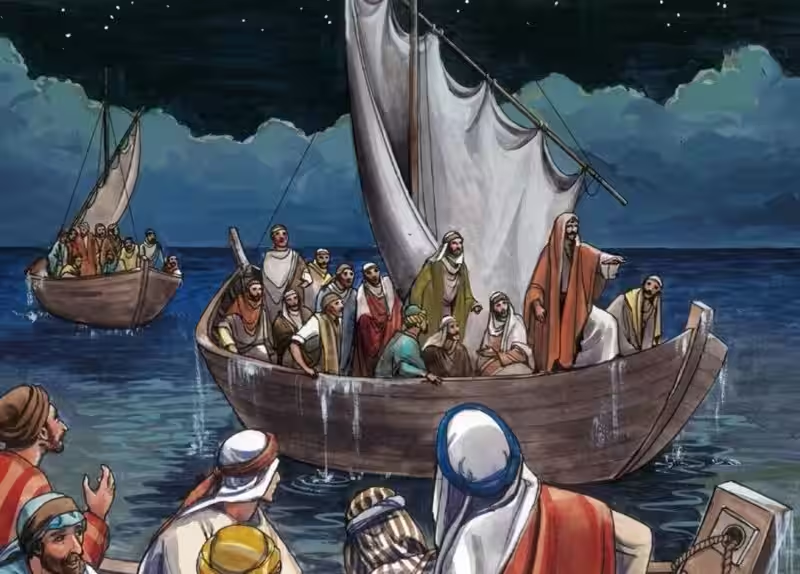
Jesus himself faced storms, both physically and emotionally. The biblical accounts of Jesus calming the storm on the Sea of Galilee are powerful demonstrations of divine power. This miracle isn’t just about controlling the elements; it’s a powerful symbol of Jesus’ ability to calm our troubled hearts and minds. Jesus’ calm amidst the storm can serve as a model for us, showing us how to find peace and serenity even in the midst of overwhelming challenges. Another example is the storm that separated the disciples from Jesus after he’d left them. This represents separation and doubt, but it also highlights the importance of reliance on God even when things seem bleak.
Understanding the Symbolic Language of Storms
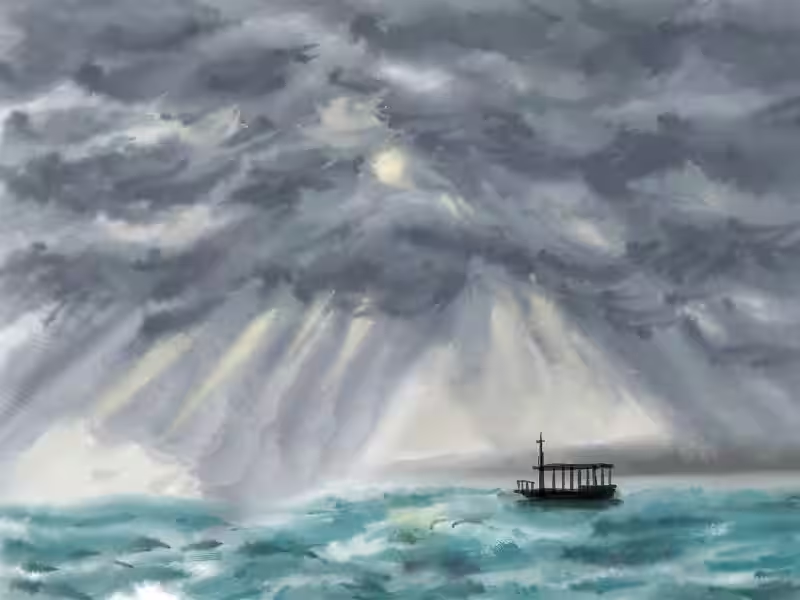
The Bible frequently uses storm imagery to represent a wide spectrum of emotions and spiritual concepts. A storm can symbolize fear, anxiety, and doubt. It can also represent God’s judgment, anger, and even His presence. For example, the winds of the Holy Spirit often are described using storm imagery, reflecting the powerful, transformative force of God’s presence. Stormy conditions can also reflect our internal struggles, like sin and temptation. These symbolic representations allow us to connect with the deeper meaning of the biblical narratives.
Storm imagery isn’t limited to external events; it’s also used to describe internal struggles. Within a tumultuous relationship, the storm might represent conflict and division. A financial crisis could be viewed as a storm threatening one’s well-being. These personal storms highlight the need for introspection and resilience. Using these metaphors allows the Bible to connect with a universal experience. Understanding the symbolic language of storms enables us to better interpret the messages of these powerful stories.
The lessons learned from the Bible’s storm scriptures can be applied to our modern lives in profound ways. Facing challenges head-on, drawing strength from faith, and seeking guidance from God are important themes. The stories encourage us to persevere through hardship, reminding us that even when things seem hopeless, there’s always the possibility of divine intervention. The example of Jonah, swallowed by a whale, represents despair and being overcome by something seemingly overwhelming. The fact that he was eventually rescued symbolizes the power of faith to triumph over even the most difficult trials.
Ultimately, the Bible’s storm scriptures offer practical guidance. They invite us to examine our lives, identify the storms we face, and find strength in the lessons of those who faced similar trials. We learn to find peace and resilience in God’s love and providence, using these stories as a compass for navigating life’s unpredictable currents. These are potent reminders that through faith, we can weather any storm.
Frequently Asked Questions about Storm Scripture in the Bible
What are some examples of storms in the Bible?
The Bible describes numerous storms, including the great flood, the storm at sea during Jesus’ ministry, and the parting of the Red Sea.
What do these storms symbolize?
Storms in the Bible can symbolize various things, such as God’s power, judgment, trials, and tests of faith. They can also represent the tumultuous nature of life and the unpredictable nature of God’s ways.
How do storms relate to God’s character?
Storms can illustrate both God’s power and His presence in the midst of chaos. They demonstrate His ability to control nature and, simultaneously, show His compassion and care for His people during these difficult times.
How can I apply lessons from these biblical storms to my life?
Storms in life, both literal and metaphorical, can be opportunities for growth and faith. They can strengthen our relationship with God, teach us resilience, and help us rely on His provision.
What are some key takeaways from the stories of storms in the Bible?
These stories emphasize faith, trust in God, and the importance of seeking His guidance during challenging times. They also demonstrate that God is present, even in the midst of the most difficult circumstances.