The Sea of Galilee, a freshwater lake nestled in the heart of the Israeli landscape, holds profound significance for countless religions, particularly Christianity. This serene body of water has witnessed moments of profound peace and, astonishingly, overwhelming turmoil. Its most famous episode, the Sea of Galilee storm, serves as a powerful metaphor for the human experience, exploring themes of faith, fear, and resilience. It’s a story that resonates deeply, reminding us of the power of God’s grace and the human condition.
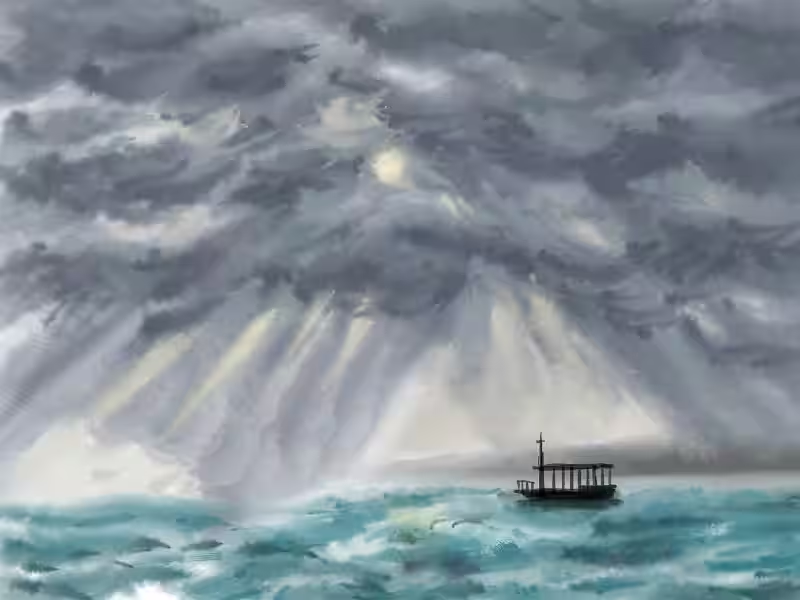
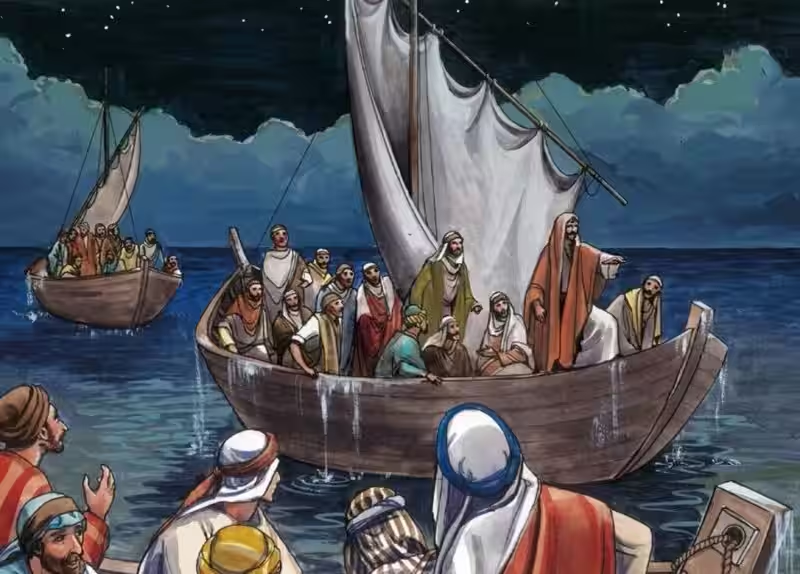
The narrative of the storm on the Sea of Galilee in the Gospels paints a vivid picture. Imagine the disciples, exhausted and overwhelmed by the task of spreading their message, facing the unpredictable forces of nature. The storm represents more than just a disruption of their plans; it symbolizes the challenges we all encounter in life. Fear and panic are natural responses to such adversity. This episode illustrates the vulnerability of humanity, our reliance on faith, and the importance of hope in the face of challenges.
The Significance of the Sea of Galilee Storm in Religious Texts
The accounts of the Sea of Galilee storm in the Gospels are crucial to understanding Christian faith. The storm’s intensity in the narratives highlights the power and agency of the divine. For example, Jesus’s calming of the storm is a pivotal moment, demonstrating his complete control over nature and his ability to provide comfort and strength during moments of crisis. By commanding the turbulent waves to be still, he unveils his divine authority.
This event transcends the simple act of stopping a storm. It’s a powerful symbol of God’s unwavering presence in the midst of chaos. Think of it as a beacon of hope, reminding followers of Jesus that even amidst overwhelming difficulties, faith can prevail. The storm on the Sea of Galilee, therefore, serves as a powerful reminder of God’s ability to alleviate suffering and bring solace to those who seek refuge in Him.
The story of the Sea of Galilee storm isn’t just about divine intervention; it’s deeply intertwined with the human experience. The disciples, overwhelmed by the storm, demonstrate the vulnerabilities we all share. They illustrate fear, doubt, and desperation. This human element makes the story relatable, showing that even those closest to Jesus can experience these emotions. Their faith can be tested, and they need to rely on divine intervention.
Consider the disciples’ fear and panic as they experienced the raw power of nature. They likely questioned their choices, possibly their faith, in the midst of the crisis. This emotional turmoil is a human condition, and the Sea of Galilee storm provides a framework for understanding how faith can navigate these treacherous waters. By drawing parallels between the disciples’ experience and our own, we can find solace and strength in the message of divine support. These experiences demonstrate that even in the face of hardship, faith can provide a guiding light.
Interpretations and Applications Beyond the Religious Context
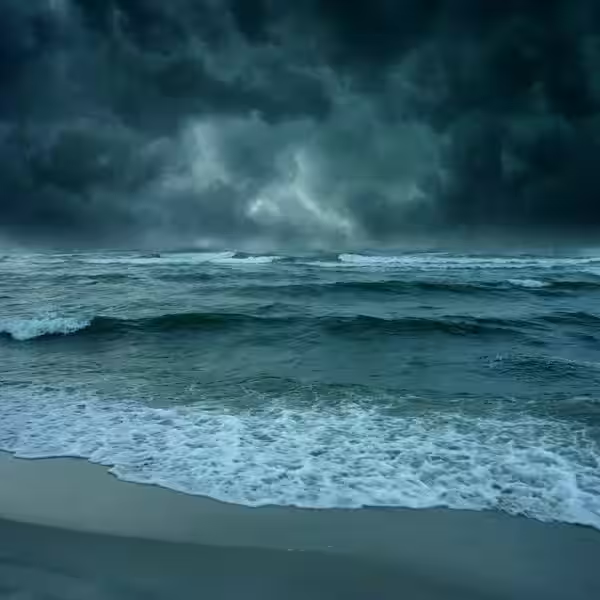
The story of the Sea of Galilee storm, even beyond its religious connotations, offers valuable lessons. The storm’s ferocity parallels the challenges we face in daily life – personal struggles, economic downturns, and relationship difficulties. These trials can seem overwhelming and uncontrollable, much like the storm on the Sea of Galilee. But the story reminds us that even in the midst of chaos, hope and resilience can prevail.
Considering the challenges we face, we can draw parallels to the disciples’ experience. Their initial fear and doubt transitioned to awe and renewed understanding. We too can find strength in difficult times by embracing faith, drawing on our personal support systems, and relying on our beliefs. By reflecting on the Sea of Galilee storm, we can develop a stronger sense of resilience and hope. This story can inspire us to face our own personal storms with greater courage and conviction. We can also learn from their experience and discover hidden strengths within ourselves in order to navigate daily obstacles.
The Sea of Galilee storm, a cornerstone of Christian faith, resonates profoundly with our understanding of the human condition. It’s a powerful metaphor for the storms that inevitably arise in our lives. The story illustrates the importance of faith, hope, and resilience in navigating these challenges. Just as the disciples found solace in Jesus’s presence, we can find strength in our beliefs, relationships, and personal support systems when facing adversity.
Through the metaphor of the storm, the Sea of Galilee provides a timeless lesson about the power of faith and the enduring human spirit. It’s a reminder that even in the face of overwhelming challenges, we can find strength, hope, and ultimately, peace, similar to how the disciples found serenity when the storm subsided. This shared experience transcends time and context, reminding us of the human capacity for resilience and the profound influence of spiritual belief in overcoming life’s most significant trials.
Frequently Asked Questions about the Sea of Galilee Storm
What is the significance of the Sea of Galilee storm in religious texts?
The Sea of Galilee storm, described in the Gospels, is a powerful metaphor for the trials and tribulations of faith. It illustrates the power of Jesus to calm the storms of life, symbolizing his ability to offer comfort and guidance in times of hardship. It’s also a reminder of the importance of trust and faith in God’s protection.
How do different religions view the Sea of Galilee storm?
While primarily referenced in Christian scripture, the Sea of Galilee is a significant site in various religions. Other faiths may not have direct parallels to this specific story, but the general themes of hardship and divine intervention are found in many religious traditions.
What are the different interpretations of Jesus calming the storm?
Interpretations vary. Some see it as a demonstration of Jesus’ power over nature, while others focus on the spiritual significance of his actions, emphasizing the ability of faith to overcome adversity. Different denominations and individuals may have unique perspectives.
Can you elaborate on the historical context of the Sea of Galilee storm?
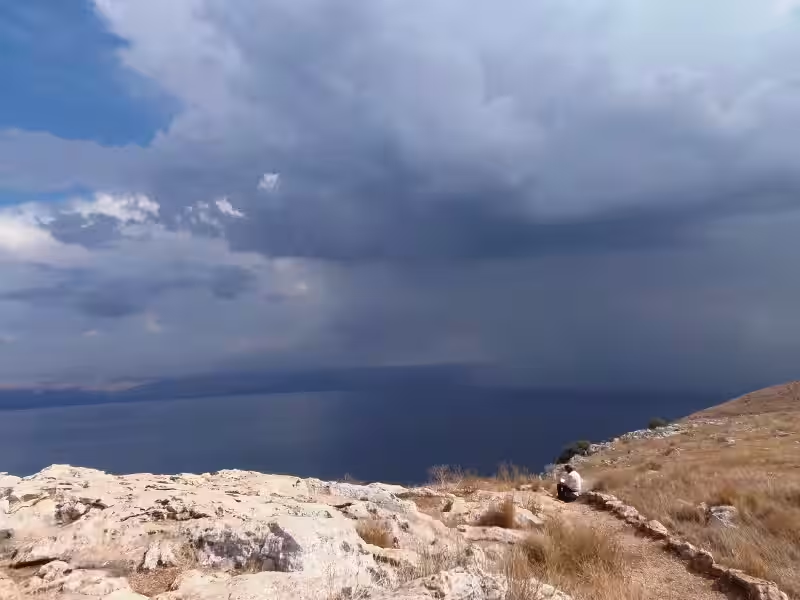
Storms are a common occurrence on the Sea of Galilee due to its geographical location and weather patterns. The biblical account likely draws on these real-world experiences to convey the intense nature of the situation and Jesus’ intervention.