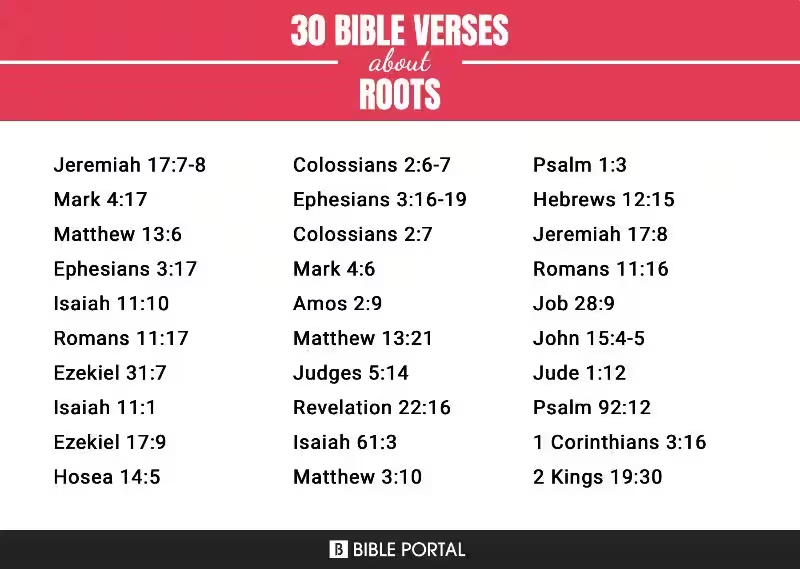
We often hear about the importance of roots in plants, anchoring them to the earth and providing sustenance. But what about roots in our lives? What profound impact can the teachings of the Bible have on our journeys? This exploration delves into how Bible verses can serve as powerful foundations, providing guidance, strength, and hope in navigating life’s complexities. We’ll examine how these verses can become more than just words on a page, transforming into living principles that shape our character and actions. Ultimately, understanding these roots can bring us closer to a deeper connection with faith and purpose.
Imagine a young sapling, vulnerable and easily swayed by the winds. Without a strong root system, it would be easily uprooted. Similarly, our lives, without a firm foundation in faith, can be easily tossed about by life’s storms. Proverbs 3:5-6 strongly emphasizes the importance of trusting in God. This trust acts as a root, anchoring us in times of trouble and providing stability. Just as roots draw nourishment from the earth, these verses can provide the strength and guidance we need to endure. Examples of practical application include meditating on verses during challenging times, journaling your reflections, and sharing these insights with others.
Interpreting Bible verses is a multifaceted process that goes beyond simply reading the words. It requires careful consideration of context, historical background, and personal reflection. Understanding the historical and cultural context is crucial in correctly interpreting and applying the message. Think of it like deciphering a language – a thorough understanding of the language and the intended audience is needed to get the correct message. For example, understanding the cultural context of a verse regarding slavery in the Old Testament can help us comprehend its intended purpose within that historical setting, without applying it directly to modern situations.
Moreover, personal reflection is essential in discovering the deeper meanings of a verse. How does a specific verse resonate with your current life situation? How can it provide guidance in navigating a particular challenge? Consider this a dialogue, seeking a personal understanding of the verse’s practical application. Examples include connecting a verse about perseverance to a personal struggle, or finding comfort and peace in a verse about forgiveness during a difficult relationship. We need to actively engage with the text, ponder its message, and identify how it speaks to our unique circumstances.
Applying Verses to Everyday Life: Practical Wisdom
The power of Bible verses lies not just in their profound meaning but in their practical application. Turning these words into actions is key. Matthew 22:37 emphasizes the importance of loving God and neighbor. This verse isn’t just a theoretical concept; it’s a call to action. This is about building a life rooted in love, compassion, and service. How can we actively cultivate these qualities in our daily lives? Examples include volunteering at a local shelter, expressing kindness towards others, and demonstrating empathy in our interactions. By actively applying these principles, we are demonstrating the depth of our understanding of the verses.
Furthermore, using Bible verses as a source of strength and encouragement in overcoming challenges is essential. Hebrews 12:1 emphasizes perseverance. When facing adversity, remembering and meditating on these words can provide the necessary fortitude to endure. Think of facing a difficult task at work or a confrontation with a loved one. Using a verse relevant to the situation can help maintain clarity, focus, and peace. With regular practice, these verses become a wellspring of support, offering encouragement and guidance during difficult moments.
Ultimately, the journey of exploring Bible verses is a personal one, requiring thoughtful reflection and a willingness to apply these teachings to our daily lives. By understanding the historical and cultural context, engaging in personal reflection, and acting on the principles embedded in the verses, we can cultivate a life rooted in faith. Jeremiah 29:11 promises that God has a plan for us. This plan is revealed in the countless Bible verses, acting as a pathway to a more meaningful and purposeful life. It’s about understanding the verses, reflecting on their meaning, and integrating them into our decisions and actions. It’s not just about reading; it’s about living out the message.
The roots are there to provide balance, direction, and ultimately, hope. By making these verses a vital part of our daily lives, we are not just learning from the past; we are laying a foundation for a future rich in wisdom, strength, and a deeper connection with the divine. This is the transformative power of the Bible verses. This journey of engaging with scripture is a journey of growth and transformation, enriching our lives significantly.
Frequently Asked Questions
What are the roots of the Bible?
The Bible’s roots lie in ancient Near Eastern cultures, particularly the Israelite and Jewish traditions. It draws from various literary, historical, and religious contexts of the region, including Mesopotamia and Egypt.
What is the significance of roots in religion?
Roots in religion often symbolize origins, foundational beliefs, and the historical context shaping a faith. They can represent the source of doctrines, practices, and community identity.
Where can I find information about the roots of specific Bible verses?
Consult scholarly commentaries, biblical introductions, and historical-critical analyses of the Bible.
How do the roots of the Bible affect its interpretation today?
Understanding the historical and cultural context in which the Bible was written can significantly enhance its interpretation. This knowledge helps us avoid imposing modern perspectives and better understand the original meaning.
What are the different perspectives on the roots of religion in general?
Various perspectives exist, including sociological, anthropological, and philosophical viewpoints. These often differ regarding the origins and evolution of religious beliefs and practices.