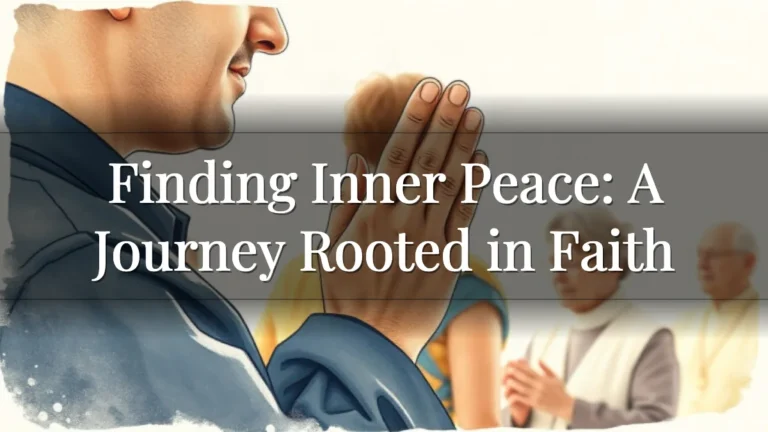
In a world brimming with diverse religious beliefs and practices, the concept of true worship often remains elusive. It's not simply about attending rituals or reciting prayers, but about cultivating a deep and meaningful connection with something greater than ourselves. This journey of seeking true worship requires introspection and a willingness to examine our motivations and actions.
We often encounter superficial expressions of faith that, while outwardly pious, lack the core essence of true worship. These outward displays might include elaborate ceremonies, fervent pronouncements, or unwavering adherence to dogma. However, without a corresponding change in heart and actions, these practices become empty displays. True worship transcends the physical and delves into the internal realm of the spirit. It's about cultivating a relationship that nourishes our soul and shapes our character.
Beyond the Rituals: Finding the Heart of True Worship
True worship is not confined to a specific building or a particular set of rules. It's a deeply personal journey, often characterized by a profound sense of humility and gratitude. It's about acknowledging our limitations and recognizing the presence of a higher power, whether we perceive this as a deity, a universal force, or simply an embodiment of love and justice. An example would be the quiet contemplation of a beautiful sunset, recognizing the vastness and intricacy of the universe and feeling a sense of wonder.
Instead of relying on prescribed rituals, true worship often manifests in acts of compassion, generosity, and service. Consider volunteering at a local shelter, mentoring a struggling student, or simply offering a helping hand to a neighbor in need. These acts of kindness and empathy demonstrate a true worship of the divine, reflected in our interaction with others and the world around us. By choosing to act in accordance with our deepest values, we embody the principles of true worship.
True worship isn't just about outward actions; it's equally about inward reflection. This means consistently examining our motives and ensuring that our actions align with our deepest values. Are we truly seeking connection or are we driven by a desire for recognition or validation? This self-reflection is crucial for understanding the nature of true worship. It's about delving into our own hearts and recognizing the values we hold dear. Ask yourself: What drives me? What motivates my actions?
In our quest for true worship, it's essential to cultivate a spirit of humility and openness. One must accept vulnerability and be prepared to confront challenging questions. We must also acknowledge our imperfections and seek guidance to better ourselves. By embracing self-reflection, we create space for true worship to blossom within our hearts. A key part of this is acknowledging that our understanding of "true worship" might be constantly evolving, and that this is a journey rather than a destination.
Cultivating True Worship in Everyday Life
True worship isn't limited to grand gestures or formal ceremonies. It's a daily practice that encompasses all aspects of our lives. It's about treating others with respect, appreciating the beauty around us, and striving for self-improvement. For instance, cultivating gratitude for the simple pleasures in life, whether a delicious meal or a moment of peace in nature, can be a profound act of true worship. In a world often focused on material pursuits, we can find a sense of true worship by appreciating the natural world and our connection to it.
Embracing a life of service and compassion demonstrates true worship. A simple act of kindness, like holding the door open for someone, or offering words of encouragement, can have a profound effect on another person's well-being. These small gestures, when repeated, create a ripple effect of positivity that extends far beyond ourselves. Through these acts, we actively participate in true worship, reflecting the love and compassion that we believe in.
Frequently Asked Questions: True Worship and Religion
What is true worship?
True worship is the sincere and heartfelt devotion to God or a higher power, expressed through actions, thoughts, and emotions that align with one's understanding of the divine. It transcends mere ritual and involves a personal relationship with the sacred, characterized by love, reverence, and obedience. Different religions may express this in diverse ways.
How can I find true worship?
Finding true worship is a personal journey of seeking and discovering your own spiritual path. It often involves introspection, prayer, meditation, studying religious texts, engaging with a community of faith, and actively living out your beliefs.
What is the relationship between religion and true worship?
Religion provides a framework and structure for many people's expression of true worship. It offers guidelines, rituals, and community support, but true worship exists independently of organized religion. One can practice true worship outside of any formal religious structure, and conversely, one can participate in religious rituals without experiencing true worship.
No. The concept of true worship is broader than organized religion. Some individuals practice true worship through acts of service, compassion, and connection with nature, even if they don't identify with a particular religion.
How do I know if my worship is "true"?
The authenticity of your worship is a matter of personal conviction and inner peace. If your practices bring you closer to a sense of the divine, inspire you to live a more ethical and compassionate life, and fill you with meaning and purpose, then it is likely a form of true worship for you.
What if my understanding of true worship changes over time?
Spiritual growth is a process of continuous learning and evolving understanding. It's natural for your understanding of true worship to change and deepen as you grow and learn. Embrace this journey of discovery.