Sermons of Peace: Finding Harmony Within and Without
Sermons of Peace: Finding Harmony Within and Without
In a world often marked by conflict and division, the concept of peace transcends simple absence of war. It's a profound state of being, encompassing inner tranquility and harmonious relationships. This exploration delves into the powerful message of peace as preached across various religions, highlighting its importance for personal growth and societal well-being. Finding inner peace is often the first step toward fostering peace in the broader world.
Different faiths offer unique perspectives on achieving peace. For example, Buddhist teachings emphasize the importance of mindfulness and detachment from worldly desires as pathways to inner peace. Mindfulness, in this context, involves paying attention to the present moment without judgment, a technique that creates a space for tranquility. This tranquility can then radiate outward to the surrounding world. Christian teachings often emphasize forgiveness and compassion as cornerstones of peace, offering a path towards reconciliation both within oneself and with others.
Forgiveness, a cornerstone of many religious traditions, is a crucial step toward personal and societal peace. Holding onto anger and resentment is like carrying a heavy burden, hindering our own growth and preventing us from truly connecting with others. Imagine a family fractured by disagreements – the act of forgiveness, even if difficult, allows for healing and the opportunity to rebuild relationships. This principle applies both to interpersonal conflicts and to larger-scale societal issues.
Many spiritual leaders have woven the idea of forgiveness into their sermons, reminding followers that letting go of resentment is a fundamental step toward peace. Consider a sermon about forgiveness where the preacher recounts a personal story of overcoming hurt and achieving a state of inner harmony. This personal narrative can connect with listeners on a deeper level, making the concept of forgiveness more tangible and relatable. Forgiveness is not about condoning harmful actions, but about releasing the negative emotional baggage they create. Key elements in a sermon about forgiveness often include: Identifying the source of anger, acknowledging the hurt caused, and choosing to release the pain.
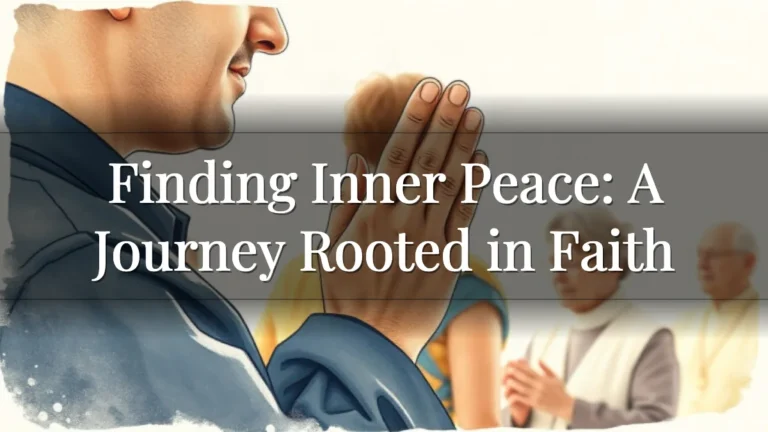
Many religious traditions emphasize the importance of prayer and meditation as pathways to peace. Prayer, in its various forms, can be a powerful tool for connecting with a higher power and seeking guidance, fostering a sense of inner tranquility. Meditation allows for introspection and a deeper understanding of oneself. Meditation practices often involve focusing on the breath, a simple yet effective technique for clearing the mind and finding stillness.
These practices aren't just about personal transformation. They also provide a framework for handling daily challenges with more equanimity. Consider a sermon on peace through meditation where the speaker guides the congregation through a simple meditation exercise. This tangible experience can demonstrate the potential of these practices to calm the mind and promote peace. A meditation session can provide a powerful experience of inner harmony and quiet the noise of daily anxieties. Key elements of a beneficial prayer or meditation session include: finding a quiet space, focusing on your breath, and releasing any negative thoughts.
The Importance of Compassion and Understanding
A significant characteristic of peace-centered sermons is their emphasis on compassion and understanding. Compassion involves empathy and a desire to alleviate the suffering of others. Understanding, on the other hand, involves actively seeking to comprehend different perspectives and viewpoints, even those that differ from our own. Understanding and compassion are not merely passive virtues; they are active choices. When we choose to understand another's viewpoint, we create space for empathy and a bridge to connect with them on a deeper level. Think of a sermon about peace which details the importance of actively listening to others, even when we disagree.
By cultivating these qualities, we can create a more peaceful environment in our communities and beyond. A sermon on compassion and understanding can detail how these concepts can foster connections across divides and lead to a more harmonious society. Key elements in a sermon promoting compassion include: practicing empathy, actively listening to those with differing views, and demonstrating generosity towards others. This is a crucial message in our world today, especially when we encounter views that conflict with our own. We can still maintain peace while holding opposing viewpoints.
The call for peace, whether articulated in sermons, prayers, or daily actions, is a universal aspiration. Ultimately, cultivating peace within ourselves is the foundation for fostering peace in the world around us. By embracing the principles of forgiveness, prayer, meditation, compassion, and understanding, we can move toward a more peaceful and harmonious existence. The journey toward peace is a continuous process, requiring ongoing self-reflection and commitment to these important values. By following the teachings of peace, we can each cultivate our own inner peace and contribute to a more tranquil world.
In conclusion, the concept of peace is not merely a passive state; it is a proactive choice. It's a journey of self-discovery and connection with others. By implementing the principles outlined above, we can actively work towards a more peaceful and meaningful existence, both personally and collectively.
Frequently Asked Questions: Sermons About Peace
What makes a sermon about peace effective?
An effective sermon on peace connects religious teachings to real-world conflicts and offers practical steps for cultivating peace in personal lives and the wider community. It should inspire hope and action, not just contemplation.
Where can I find sermons about peace online?
Many religious websites and online sermon archives offer sermons on peace. Searching for "[Your Denomination] sermons on peace" will yield relevant results. YouTube also hosts a large number of sermon recordings.
How can I use a sermon about peace in a small group discussion?
After listening to or reading a sermon on peace, consider focusing your discussion on specific calls to action within the sermon. Discuss personal experiences, and brainstorm ways to apply the message practically.
What are some common themes explored in sermons about peace?
Common themes include forgiveness, compassion, nonviolence, social justice, reconciliation, and the pursuit of shalom (wholeness and well-being). Many draw from scripture and the teachings of religious leaders.
Are sermons about peace relevant to current events?
Absolutely. Sermons about peace offer a framework for understanding and responding to conflict and violence in the world, providing spiritual guidance and ethical frameworks for navigating complex issues.