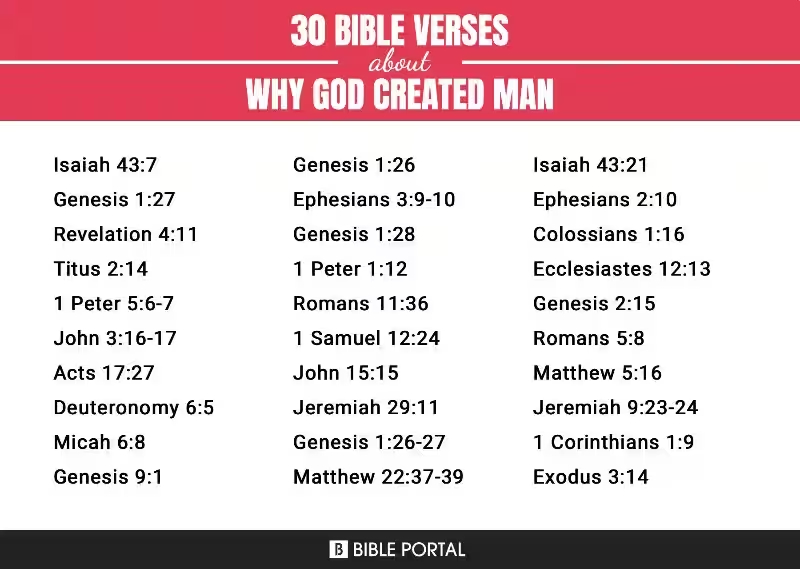
Throughout history, humanity has grappled with the profound question of existence. Why are we here? What is our purpose? Religious traditions offer a multitude of answers, each reflecting the unique worldview and beliefs of diverse cultures and faiths. These answers, while often complex and nuanced, often center on the concept of divine creation and the subsequent roles of humanity within the grand design. Exploring these perspectives can illuminate our understanding of the human condition and our place in the universe.
The very concept of creation by a divine being is a cornerstone of many religious systems. Different religions paint distinct pictures of this act of creation – from a single, powerful deity shaping existence to a more gradual process involving multiple beings or forces. Understanding these varying accounts is crucial in comprehending the diverse interpretations of why God created humankind. For example, in certain creation myths, humans are seen as a deliberate act of divine will, a unique and special creation. This emphasizes the unique value and importance of humanity in the divine plan. Ultimately, the different answers reflect the diverse interpretations of the divine nature and the purpose of creation.
Different religions offer various reasons for the creation of humanity. Some posit that humans are created for worship and service to the divine, fostering a relationship that echoes the very essence of the divine. In these traditions, following religious laws and rituals is seen as a central part of fulfilling this purpose. This focus on obedience and devotion often leads to a sense of community and shared purpose among believers. For instance, in Islam, the concept of submission to God’s will is a cornerstone of faith, and believers strive to fulfill this obligation through prayer, charity, and righteous conduct.
Other religions emphasize the role of humanity in the ongoing creation itself. For example, some faiths believe that humans are tasked with cultivating the earth, caring for nature, and spreading goodness. This view often emphasizes stewardship and responsibility. Humans are seen as co-creators in a sense, working alongside the divine to shape the world around them. This perspective is often reflected in practices like environmental conservation, social justice initiatives, and community building. These actions are not merely acts of kindness; they are integral to the purpose of creation.
The Question of Free Will and Responsibility
A significant aspect of many theological frameworks is the concept of free will. Many religions posit that humans are given the capacity to make choices, to act morally, and to shape their own destinies. This concept often intertwines with notions of accountability and consequences. If humans are granted the ability to choose between good and bad, it logically follows that they will also be held responsible for those choices. This idea, embedded deeply within religious traditions, emphasizes our capacity for growth, learning, and spiritual development. It acknowledges that the path to fulfillment isn’t predetermined but requires active engagement and moral responsibility.
Consider the concept of sin and redemption in some traditions. The idea of free will is often coupled with the potential for error and sin. However, a key aspect is the promise of redemption and forgiveness. The creation of humans with free will inherently involves the risk of making mistakes. Moreover, the acknowledgment of this risk and the potential for redemption and growth reveals the complex and multifaceted nature of the divine purpose. This understanding encompasses the divine compassion and willingness to offer a path toward spiritual healing and growth. This allows for a richer understanding of the role of humanity’s choices in shaping their own destiny.
The existence of suffering is a pervasive theme across cultures and religions. Despite the divine creation, the world often seems filled with pain, hardship, and injustice. Religious traditions often grapple with this seeming contradiction. These frameworks provide various perspectives—some focus on testing and trials, suggesting that suffering serves to strengthen faith and character. Other perspectives see suffering as part of the natural order or as a consequence of human actions. For instance, in some faiths, suffering is seen as a potential path to enlightenment or a means of spiritual growth. The experience of pain and hardship can lead to a deeper understanding of the self and the world, ultimately enhancing one’s connection to the divine.
These diverse perspectives highlight the complexity of the human experience. It’s important to note that there exists no single, universally accepted answer to the question of why God created humanity. Different faiths and interpretations offer valuable insights into the potential meanings and purposes of human existence. Ultimately, the search for meaning is a deeply personal journey, and each individual’s faith or spiritual path may offer different solutions to this fundamental question. Religious perspectives, in their variety, offer a rich tapestry of possible answers, encouraging contemplation and exploration.
Frequently Asked Questions
Why did God create man?
Different religions offer various perspectives on why God created humans. Some believe humans were created for worship, to be caretakers of the earth, or to participate in a divine plan. Others see humanity’s purpose as a reflection of God’s image, a test of faith, or a means of experiencing love and connection.
Religion is a system of beliefs and practices related to the supernatural, spirituality, or morality. It often involves a community of believers, rituals, and a code of conduct. Religions vary significantly in their beliefs, practices, and interpretations of the divine, but generally aim to provide meaning, purpose, and guidance to those who follow them.