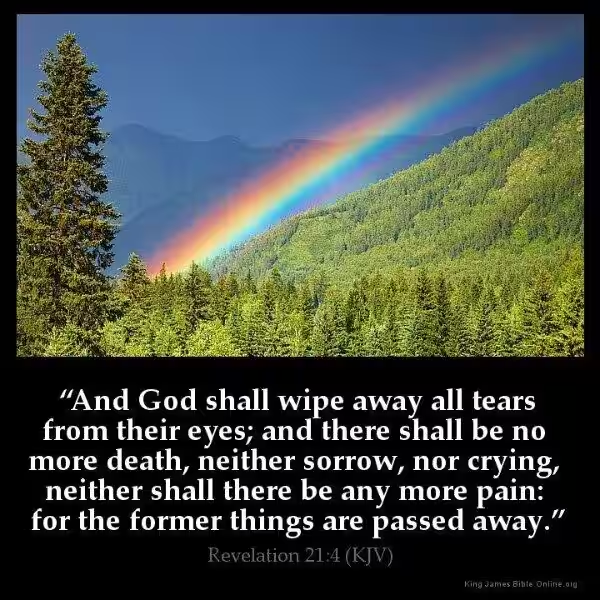
The human experience is undeniably intertwined with pain and suffering. We all grapple with loss, illness, hardship, and the general weight of life. For many, the Bible provides a framework for understanding these experiences, offering comfort and context in the face of adversity. This exploration delves into the biblical perspective on pain and suffering, offering insights into its origins, purposes, and the hope it provides.
The Bible doesn’t shy away from depicting the realities of pain. From the sorrow of Job to the crucifixion of Jesus, it showcases the profound impact hardship has on individuals and communities. Understanding this raw portrayal is crucial; it allows us to connect with the human experience as portrayed in scripture and recognize that God is not oblivious to our struggles. It acknowledges that suffering is part of the human condition, but it also offers a profound lens through which to view it.
The Bible presents various perspectives on the origins of pain and suffering. One prominent theme is the concept of free will. The story of Adam and Eve often gets cited as an example. Their choice to disobey God led to consequences that included pain and toil. This narrative highlights the potential for human choices to have far-reaching and negative consequences, an idea applicable to our own lives today. Consider making a wrong financial decision, for example; the implications may have far-reaching negative consequences, potentially impacting your life in a way similar to the repercussions in the biblical narrative.
Another biblical perspective links suffering to the presence of evil. This perspective doesn’t necessarily imply that God is the source of suffering, but rather that evil exists and impacts the world. This concept is often complex to comprehend, but consider how a natural disaster might impact lives, causing pain and suffering. Understanding the concept of evil as a force that can bring hardship may provide some clarity into the complexity of human suffering.
God’s Relationship to Suffering: A Tender Understanding
The Bible doesn’t portray God as a detached observer of suffering. The narrative frequently emphasizes God’s compassion and empathy for those experiencing hardship. The Psalms, for example, are filled with cries for help and expressions of despair – and God’s faithfulness. This connection, shown through prayer, strengthens our faith. The empathy shown suggests that God understands and cares about the pain we endure. We too can find solace in this knowledge.
Crucially, the Bible doesn’t offer simple answers to suffering. It doesn’t always provide a clear cause-and-effect relationship. Instead, it provides a framework for navigating the complexities of suffering. Learning to understand the biblical perspective on suffering could help to guide us through challenging times. Consider a loved one’s extended illness; the biblical perspective can help us to find solace in moments of hardship.
Hope and Purpose Amidst Suffering
Despite the raw portrayal of pain and suffering, the Bible also offers a message of hope and purpose. The story of Jesus Christ, who experienced suffering and death, is a significant example. He is often seen as a symbol of overcoming hardship. His life, death, and resurrection offer hope by demonstrating that even in the face of seemingly insurmountable suffering, there is a path to redemption and restoration. Consider how a person in a difficult relationship may feel lost, and how the message of hope could offer them a ray of light.
Furthermore, the Bible often emphasizes the importance of faith and perseverance. These qualities, often tested in times of suffering, can lead to growth and transformation. This idea suggests that we must find strength in our faith to overcome adversity, much like the biblical characters who persevered through their struggles. Finding strength in times of hardship is possible, and the examples in the Bible show us that hope is possible.
Conclusion: Finding Meaning in the Face of Pain
The Bible’s perspective on pain and suffering is multifaceted and complex. It acknowledges the reality of hardship, the presence of evil, and the role of free will. Yet, it also provides a framework for understanding suffering, offering a sense of connection to a loving God and the possibility of hope for a brighter future. By understanding these ideas, we can develop a more profound appreciation for our own experiences and find strength in the face of life’s difficulties.
Ultimately, the Bible invites us to reflect on our own struggles, to seek comfort in faith, and to maintain a hopeful outlook. It is a reminder that in the face of pain, we are not alone. This can provide a profound sense of comfort and understanding; it is a concept that is as relevant today as it was centuries ago. Understanding this can equip us to approach our own struggles with a sense of resilience and faith.
Frequently Asked Questions
What does the Bible say about pain and suffering?
The Bible acknowledges and addresses pain and suffering. Different perspectives exist within the biblical texts. Some passages portray God as a compassionate rescuer, intervening in times of hardship. Other passages describe suffering as a consequence of sin or as a test of faith. The Bible does not offer simple answers, and interpretations vary widely.
This is a complex question with no single answer. The Bible explores various perspectives, including the concept of free will, the consequences of sin, and the possibility of God working through hardship to bring about a greater good. The question remains a source of theological debate and personal reflection.
How can I find comfort in the Bible when facing pain?
Many people find comfort in passages that emphasize God’s presence and promises of hope. Psalms, for example, offer expressions of lament and trust in God during difficult times. The teachings on resurrection and eternal life also provide comfort to those facing pain and loss.
What does the Bible say about religion?
The Bible presents a religion centered on a relationship with God. It emphasizes faith, obedience, and worship. Different parts of the Bible describe specific religious practices and beliefs. The central theme across the texts is a unique relationship with a divine being.