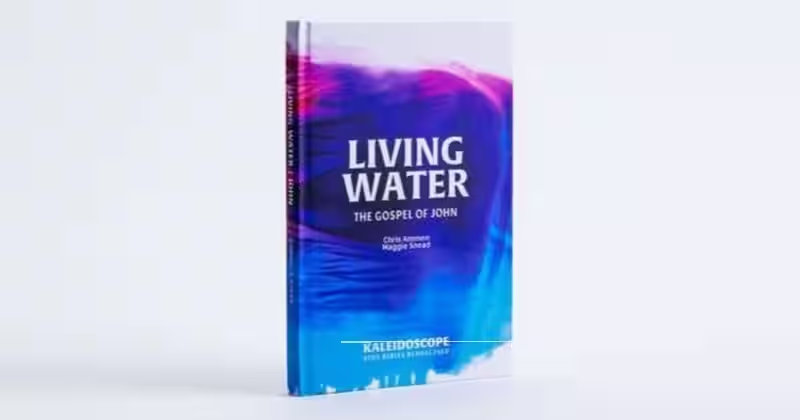
Jesus’s famous declaration about “living water” (John 4:10) often sparks curiosity and debate. It’s not a simple reference to a literal spring; instead, it’s a profound metaphor about a deeper spiritual truth. This article delves into the nuances of Jesus’s meaning, exploring how this concept resonates with our lives today.
Understanding the context is crucial. Jesus spoke these words to a Samaritan woman at a well. The conversation wasn’t about physical thirst, but about a deeper, more profound thirst for something that sustains and gives life. This thirst is not merely physical, but spiritual, a longing for connection, purpose, and fulfillment.
The “living water” Jesus offered wasn’t just a concept; it was a promise of eternal life. This isn’t just about life after death, but about a vibrant, fulfilling life now. Think about the difference between a stagnant pool of water and a refreshing stream; one provides only temporary relief, the other sustains and encourages growth.
This spiritual sustenance is different from the temporary satisfaction of fleeting pleasures or worldly pursuits. It’s a deep, inner peace and understanding that comes from a relationship with God. It’s a wellspring of joy, compassion, and love that flows from within, impacting our interactions with others and the world around us. Examples of this include: a feeling of deep connection with others, a sense of purpose in life, the ability to overcome challenges with resilience, and a capacity for empathy and compassion.
Many religious interpretations link “living water” to the Holy Spirit. The Holy Spirit is seen as a gift from God, a powerful force that empowers and transforms. This transformation involves the process of spiritual renewal, forgiveness, and an understanding of God’s presence in our lives. Imagine the Holy Spirit as a constant source of inspiration and guidance, enabling you to live a more meaningful and purposeful life.
The Holy Spirit isn’t just a passive force; it’s an active participant in our lives. The gifts of the Spirit (such as wisdom, knowledge, and prophecy) are seen as flowing from this “living water,” empowering believers to live a God-centered life. The Holy Spirit helps us recognize our own flaws and the grace extended to us by God. This ability to receive and act on God’s guidance is essential for spiritual growth.
Living Water and the Power of Forgiveness
Jesus, in his teachings, emphasized the importance of forgiveness. Forgiveness is often cited as a vital aspect of “living water.” Holding onto resentment and anger creates a stagnant pool in our souls. Forgiving others, and ourselves, is essential for spiritual well-being. It’s about letting go of the burdens of the past and embracing the present.
Consider the burden of guilt or resentment. How does it affect your ability to live a peaceful and fulfilling life? Forgiveness, like a stream, can wash away these impurities, leading to renewed joy and purpose. Examples of how forgiveness manifests as “living water” include the ability to move on from past mistakes, fostering healthy relationships, and experiencing a profound sense of peace. It’s about finding healing and wholeness.
The concept of “living water” resonates deeply with our modern lives, offering valuable insights into finding true fulfillment and purpose. In a world often focused on material possessions and superficial achievements, this concept reminds us that true happiness lies in connecting with something greater than ourselves.
Today, many find this “living water” in various forms. Some seek it through community, others through helping others, and still more through moments of profound connection with nature or art. The key is to recognize that the source of true fulfillment is not temporal or external but rather an inner wellspring of faith, empathy, and love that is rooted in a relationship with God. This journey of discovery is unique to each individual.
Frequently Asked Questions
What did Jesus mean by “living water”?
In the Gospel of John, Jesus refers to himself as the “living water” (John 4:10-14). He wasn’t literally referring to water, but to the spiritual sustenance that comes from a relationship with him. The “living water” is the eternal life and the Holy Spirit that Jesus offers to those who believe in him. It’s a source of spiritual refreshment, cleansing, and lasting satisfaction that transcends physical thirst.
What is the significance of living water in different religions?
While the concept of “living water” is most prominently associated with Christianity, similar ideas of spiritual refreshment and life-giving forces exist in other religions, though they don’t typically use the exact same phrase. For example, in some indigenous traditions, water is revered as a life-giving force and a symbol of purity. In other religions, the concept of “living water” may be represented by different metaphors or symbols that convey similar ideas of spiritual nourishment and renewal.