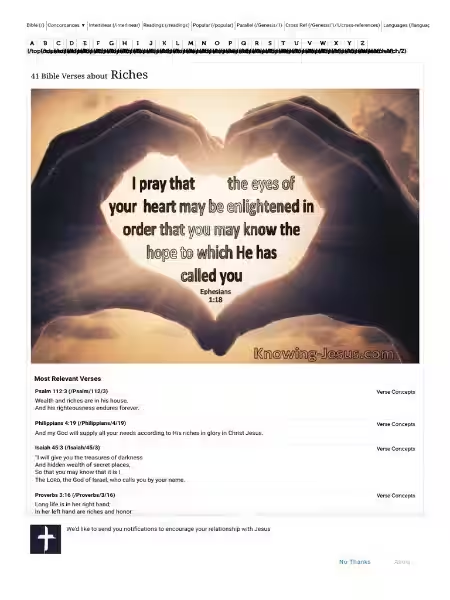
The parable of the rich young man, found in both Matthew and Mark, is a powerful story that resonates deeply with individuals grappling with issues of wealth, faith, and personal sacrifice. It’s not just a historical account but a timeless message about prioritizing spiritual values over material possessions. This parable invites us to contemplate our own desires and motivations, prompting introspection on how we define success and fulfillment.
This parable is not about condemning wealth; rather, it’s about understanding the potential pitfalls of prioritizing material possessions above all else. It underscores the importance of recognizing that true riches lie not in earthly treasures but in a relationship with God. The young man, seemingly a good person with a clear moral compass, represents individuals who strive for righteousness while still entangled in their worldly concerns. This story serves as a powerful reminder that spiritual growth often requires relinquishing attachments to the things of this world.
The rich young man, deeply respected for his wealth and apparent piety, approaches Jesus with a profound question. He asks what he must do to inherit eternal life. This, in essence, showcases a desire for spiritual fulfillment – a common thread in human experience. The answer from Jesus, however, reveals a fundamental truth: true riches are not accumulated but are discovered through selfless living. The parable doesn’t condemn wealth, but it does challenge the prioritization of worldly gains above the divine.
The parable’s importance transcends religious boundaries. We can relate it to our own lives by considering the following: What truly brings us satisfaction? Is it the accumulation of material possessions, the pursuit of status, or something deeper? The rich young man’s desire for eternal life reveals a hunger for something beyond the physical realm. He was searching for true meaning, but he clung to a narrow perspective. This story reminds us that true fulfillment frequently involves letting go of earthly attachments to embrace a more profound purpose.
In our modern world, materialism often overshadows spiritual growth. The relentless pursuit of wealth and possessions, fueled by social media and consumerism, can lead us astray, blinding us to the things that truly matter. The rich young man’s struggle to relinquish his wealth serves as a powerful reminder that true wealth lies in the depth of our relationships, in our acts of service, and in our connection to something greater than ourselves.
Consider this example: A person might accumulate significant wealth, but feel profoundly empty or dissatisfied. They might be surrounded by material possessions but lack meaningful connections and experiences. This disconnect mirrors the situation of the rich young man. He was focused on material possessions, but missed the opportunity for genuine spiritual growth and connection. The parable prompts a vital question: If we were to live in a way that reflects our true values, what would we prioritize? Would we relinquish certain possessions to pursue a more meaningful path?
The Parable’s Message About Letting Go
Crucially, the parable points to the importance of letting go. The rich young man’s inability to part with his wealth highlights a common struggle – our attachment to material things. This attachment often blinds us to the true value of human connection and spiritual growth. It underscores that true wealth isn’t measured in dollars and cents but in the depth of our relationships and our commitment to something greater than ourselves. We can all learn from this story: giving up ego and the pursuit of worldly things can be difficult, but it is necessary for true fulfillment.
Think about someone who dedicates their life to philanthropy or volunteering. Their actions demonstrate a prioritization of others and a different form of wealth. They might possess less in material goods but are enriched by meaningful experiences and connections. This is a direct reflection of the parable’s message: prioritizing spiritual values and service to others often yields a more profound and lasting satisfaction than the accumulation of material wealth. Consider the following: What is truly valuable to you? How can you live a life that reflects those values, even if it means letting go of something you hold dear?
Frequently Asked Questions about the Rich Young Man Parable
What is the Rich Young Man Parable about?
The rich young man parable, found in Matthew 19:16-22 and parallels in Mark and Luke, tells the story of a wealthy young man who asks Jesus how to inherit eternal life. Jesus’ response challenges the man’s attachment to material possessions and highlights the importance of following God’s commandments and complete devotion.
What is the meaning of the Rich Young Man’s question?
The young man’s question likely stemmed from his desire for a clear, practical path to salvation. He saw religious observance as a set of rules to follow and likely believed that fulfilling those rules would ensure his eternal life.
How does the parable relate to religion?
The parable speaks to the core tenets of many religions, emphasizing that salvation is not earned through works alone but through a profound devotion to God and commitment to a life of service. It suggests that attachment to material wealth can be a significant impediment to spiritual growth.
Key takeaways include the significance of relinquishing worldly attachments, embracing a life of selfless service, and understanding that true riches lie in spiritual fulfillment rather than material possessions.
What are some different interpretations of the parable?
Some interpretations focus on the difficulty of embracing a life of complete devotion, while others emphasize the importance of letting go of possessions. Different denominations and individuals may have various perspectives on the specific lessons and application of the parable.
Why is the parable important in religious teachings?
The parable is significant because it illustrates the fundamental tension between worldly pursuits and the pursuit of eternal life. It challenges followers to examine their priorities and to consider the true meaning of wealth and happiness within a religious context.