Christ means “anointed one.” It comes from the Greek word Christos, which translates the Hebrew title Messiah, meaning someone chosen and consecrated for a special purpose. In Christianity, “Christ” is not Jesus’ last name; it is a title identifying Jesus as the promised Messiah and central figure of salvation.
The title connects Jesus to the hopes, promises, and expectations found throughout the Bible. It says something about who Jesus is, what Christians believe he came to do, and how his life, death, and resurrection relate to God’s purposes. Understanding the word helps explain why Christians say “Jesus Christ” and why the title remains at the center of Christian worship and belief.
The English word Christ comes through Latin from the Greek Christos. The Greek term is related to a verb meaning to anoint, or to apply oil as a sign of appointment, consecration, or authority. In the Hebrew Scriptures, the corresponding title is Mashiach, commonly rendered in English as “Messiah.”
“Anointed one” does not simply describe a person who received oil. Anointing represented a public setting apart for a God-given role. Kings were anointed to lead the people, priests were consecrated for worship and service, and in some passages prophets were associated with divine appointment. The act communicated that a person had been selected and authorized for a particular task.
When Christians call Jesus the Christ, they are therefore making a claim about his identity and mission. They mean that Jesus is the person appointed by God to fulfill the messianic hope and to bring God’s saving work to its decisive expression.
Core meaning: “Christ” is a title, not a family name. “Jesus Christ” means Jesus, the anointed Messiah.
Why Jesus is called the Messiah
The idea of a Messiah developed from the Bible’s promises about God’s relationship with Israel and the world. Israel’s Scriptures describe God as the true king and speak of human rulers, especially David and his descendants, who would govern under God’s authority. These promises created hope for a righteous leader who would bring justice, restoration, and peace.
Several passages shaped this expectation. God’s covenant with David points toward an enduring royal line, while texts such as Isaiah 9, Isaiah 11, Jeremiah 23, and Micah 5 describe a future ruler associated with righteous leadership, deliverance, and God’s presence. Psalm 2 also presents an anointed king whose authority comes from God. Christians understand these passages as anticipating Jesus, although Jewish and Christian interpretations of these texts differ in important ways.
The Messiah was not expected to be merely a talented political leader. The title carried religious and communal meaning. The promised figure would represent God’s purposes, shepherd the people, confront evil, and establish a renewed relationship between God and humanity. The New Testament presents Jesus as fulfilling these hopes, though often in ways that differed from popular expectations.
How Jesus’ life changes the expected meaning of Messiah
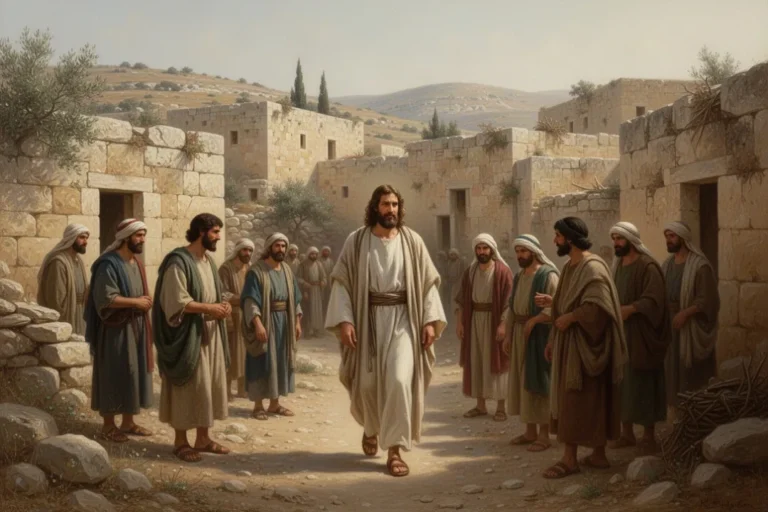
Many people in the first-century Jewish world hoped for liberation from foreign rule and longed for a restored kingdom. Some may have expected the Messiah to be primarily a military or political deliverer. Jesus, however, taught and demonstrated a form of kingship centered on service, repentance, mercy, and faithfulness to God.
Jesus announced God’s kingdom, healed people, welcomed those on the margins, and challenged religious hypocrisy. He did not seize political power through an uprising. Instead, the Gospel accounts portray him entering Jerusalem in humility, accepting suffering, and giving his life for others. Christians see these actions not as a failure of messianic authority but as the way Jesus exercises it.
This helps explain why the New Testament joins the title Christ with themes that might initially seem unexpected. Jesus is called a servant, a shepherd, a suffering figure, and a king. Christian belief holds that his authority is revealed through self-giving love rather than domination.
In the Gospel accounts, Jesus’ resurrection is the decisive confirmation of his messianic identity. Christians believe God raised him from the dead, showing that death did not defeat him and validating his claims and mission. Acts 2, for example, presents Jesus’ resurrection and exaltation as central reasons the early church proclaimed him as both Lord and Christ.
What “Jesus Christ” means in Christian belief
“Jesus” and “Christ” answer different questions. Jesus is the personal name of the historical person who was born, taught, suffered, died, and, according to Christian faith, rose again. Christ identifies his role and significance as the Messiah appointed by God.
The phrase “Jesus Christ” can therefore be understood as “Jesus the Messiah.” The same pattern appears in expressions such as “Jesus, the Christ” or “Christ Jesus.” In each case, the title explains who Christians believe Jesus is rather than supplying a surname.
As Christian belief developed in the New Testament, “Christ” became closely connected with several major claims:
Jesus is the promised Messiah: his life fulfills the biblical hope for God’s appointed deliverer.
Jesus is King: he exercises authority under God and inaugurates God’s kingdom.
Jesus is Savior: Christians believe he rescues people from sin and restores them to God.
Jesus is Lord: the title expresses his supreme authority and calls for trust and allegiance.
Jesus is risen: his resurrection is understood as God’s vindication of his identity and mission.
Different Christian traditions explain these claims with different emphases, but the title remains a shared center of Christian confession. To call Jesus “the Christ” is to recognize him as more than a teacher, prophet, moral example, or historical figure.
How anointing worked in the Bible
Understanding biblical anointing makes the title more concrete. Oil was used in religious ceremonies and public acts of appointment. It could symbolize consecration, honor, healing, hospitality, or God’s blessing, depending on the setting. The title “anointed one” particularly highlighted a person’s appointment to a role carrying responsibility before God.
Kings were anointed as visible leaders of the people. The stories of Saul and David show that anointing marked a king’s selection, even though the king remained accountable to God. David’s anointing in 1 Samuel 16 illustrates the principle that God’s choice is more important than outward appearance.
Priests were also consecrated for service in worship. Their role involved representing the people in the sanctuary and carrying out duties connected with sacrifice and holiness. Exodus 29 and Leviticus 8 describe priestly consecration practices, including the use of oil.
Prophets were appointed to speak God’s message, although the Bible does not present anointing as a routine ceremony for every prophet. In 1 Kings 19, God instructs Elijah regarding the appointment of future leaders, including Elisha as a prophet. These different roles help establish the background for the Christian understanding of Jesus as the one who brings together royal, priestly, and prophetic functions.
Jesus’ messianic identity is not limited to one office. Christians understand him as the king who rules, the priest who reconciles people to God, and the prophet who reveals God’s truth. This combined meaning gives “Christ” greater depth than the simple idea of a political candidate or national hero.
What Christians believe Christ accomplishes
The New Testament describes Jesus’ work using several connected images. Christians do not all explain the meaning of the cross in exactly the same way, but they generally agree that Jesus’ death and resurrection are central to his saving mission.
Christ reconciles people to God. Christian theology teaches that sin damages the relationship between humanity and God. Through Jesus’ obedient life, sacrificial death, and resurrection, God provides forgiveness and a restored relationship. Romans 5 and 2 Corinthians 5 describe reconciliation as a work God accomplishes through Christ.
Christ defeats sin and death. Sin is not only a list of wrong actions; it is also a power that distorts human desires, relationships, and worship. Christians believe Jesus confronts this power and breaks death’s final claim through his resurrection. First Corinthians 15 treats the resurrection as essential to Christian faith rather than an optional detail.
Christ establishes God’s kingdom. Jesus’ ministry announces that God is acting to reign, heal, judge evil, and restore creation. The kingdom is both present in Jesus’ ministry and awaited in its full completion. Christian hope therefore looks back to what Christ has done and forward to the renewal God will bring.
Christ forms a people. Those who trust Jesus are called to become his disciples and part of a community shaped by worship, forgiveness, service, and love of neighbor. The church is described in the New Testament as Christ’s body, a way of expressing its dependence on him and its responsibility to continue his mission.
Christ as king, priest, and prophet
Christian writers often explain Jesus’ identity through three traditional roles: prophet, priest, and king. These categories are not meant to reduce Jesus to a job description. They show how different aspects of his mission fit together.
A prophet communicates God’s truth and calls people back to faithful living. Jesus teaches about God’s character, confronts injustice, exposes false religion, and announces judgment and mercy. Christians believe he does more than repeat a message from God; he reveals God’s purposes through his own person and actions.
Christ as priest
A priest serves in matters of worship and brings people before God. The New Testament presents Jesus as the great high priest who represents humanity and provides lasting access to God. Hebrews 4 and Hebrews 7 emphasize his compassion, holiness, and continuing intercession, using language that Christian readers understand in light of his death and resurrection.
Christ as king
A king rules and protects a people. Jesus speaks of God’s kingdom and accepts titles associated with royal authority, yet he defines leadership through humility and service. Philippians 2 describes his self-emptying and subsequent exaltation, while Revelation portrays him as the victorious ruler who will finally overcome evil.
Together, these roles communicate that Christ speaks God’s truth, restores people to God, and rules with God-given authority. They also show why Christian discipleship involves listening to Jesus, trusting him, and living under his direction.
How the title appears in the New Testament
The New Testament uses “Christ” in several ways. Sometimes it appears as a title, as in “Jesus the Christ.” At other times it functions so closely with Jesus’ name that “Christ Jesus” sounds like a familiar name. Both uses preserve the original claim: Jesus is the Messiah.
The Gospel of Matthew connects Jesus’ birth and ministry with Israel’s Scriptures and presents him as the promised king. Mark opens by identifying its message with Jesus Christ and then shows his authority through teaching, healing, forgiveness, and confrontation with evil. Luke highlights God’s concern for the poor, excluded, and lost, while John presents Jesus as the one who reveals God and gives life.
The letters of Paul frequently use “Christ” to describe Jesus’ saving work and the believer’s new identity. Phrases such as “in Christ” mean more than admiration for Jesus. They describe belonging to him, sharing in the benefits of his saving work, and becoming part of a renewed community. The expression can include forgiveness, new life, spiritual union, and hope for resurrection.
The title also appears in questions of faith and allegiance. In Matthew 16, Jesus asks his disciples who they believe he is, and Peter identifies him as the Christ. The confession is significant because it recognizes Jesus as God’s promised ruler, not merely as one teacher among many.
Common mistakes about the meaning of Christ
The word is familiar enough that people can use it without considering what it means. These misunderstandings are especially common:
Treating Christ as Jesus’ surname: “Christ” describes Jesus’ role; it is not a family name passed down through his relatives.
Assuming Christ means only “good person”: The title refers to divine appointment, messianic fulfillment, authority, and salvation.
Reducing Messiah to a political leader: Jesus’ kingdom is presented as spiritual and comprehensive, addressing sin, death, worship, justice, and creation.
Separating Jesus from Christ: Christian faith does not treat the human Jesus and the divine Christ as unrelated figures. It identifies Jesus as the Christ.
Using “Christ” only as an exclamation: Casual usage can hide the title’s religious meaning and may be disrespectful to people who regard it as sacred.
Assuming every tradition explains the title identically: Christians share the central confession but differ in how they describe atonement, kingship, sacramental life, and the kingdom.
A useful reading habit: Whenever you encounter “Christ” in the New Testament, replace it mentally with “Messiah” or “anointed one.” Then ask what the passage says about Jesus’ authority, mission, or saving work.
Practical ways to understand Christ in the Bible
You can study the title without treating it as an isolated vocabulary word. Read it within the passage and consider what the writer is claiming about Jesus. A helpful approach includes these steps:
Notice the surrounding description. Look for words about kingdom, salvation, suffering, resurrection, forgiveness, or judgment.
Ask which biblical hope is present. The passage may refer to a king, servant, shepherd, priest, deliverer, or promised descendant.
Compare Jesus’ actions with popular expectations. The Gospels often show that Jesus fulfills the Messiah’s mission through service and sacrifice.
Consider the response requested. People are called to believe, repent, follow, worship, serve, or remain faithful.
Connect identity and mission. Christian passages usually present Jesus’ authority and saving work together rather than as separate ideas.
Several passages offer useful starting points. Mark 8 focuses on Peter’s confession and Jesus’ teaching about suffering. Luke 4 presents Jesus’ ministry in light of Isaiah’s promises to the poor and oppressed. John 20 connects belief in Jesus as the Christ with receiving life through him. Acts 2 shows the early Christian proclamation that God made the crucified and risen Jesus both Lord and Christ.
Reading these texts together prevents a narrow definition. Christ is not only a future ruler, only a suffering servant, only a teacher, or only a sacrificial victim. Christian theology holds these dimensions together in one person and one mission.
What the title means for Christian life
For Christians, calling Jesus Christ is a statement of trust and allegiance. It means accepting his authority, receiving his mercy, and seeking to live according to his teaching. The title has practical consequences because it identifies Jesus as someone to follow, not merely a subject to study.
Christians are called to imitate the character associated with Jesus’ kingship: humility, compassion, courage, truthfulness, and service. Philippians 2 encourages believers to adopt the self-giving attitude displayed by Christ. The command to love God and neighbor, taught by Jesus in the Gospels, becomes a central expression of living under his rule.
The title also offers a framework for hope. If Christ has been raised, Christians believe death is not the final word. If Christ reigns, injustice and evil will not ultimately have the last word. If Christ reconciles people to God, forgiveness is not earned through personal perfection but received through faith and expressed through a changed life.
Christian communities use the title in worship, baptism, prayer, preaching, and the Lord’s Supper. These practices keep the focus on Jesus’ identity and work. They also remind believers that faith in Christ is communal: Christians are joined to one another through their shared relationship with him.
How “Christ” differs from similar religious titles
“Christ” is sometimes treated as interchangeable with every title applied to Jesus, but each title emphasizes something different. Messiah is the Hebrew counterpart to Christ and highlights anointing and promised deliverance. Lord emphasizes authority, and in many New Testament contexts it carries profound theological meaning.
Savior focuses on rescue from sin, death, and separation from God. Son of God expresses Jesus’ unique relationship with God and, in Christian theology, his divine identity. Son of David connects him with the royal line and the promises associated with David’s descendants.
These titles overlap but are not identical. “Christ” is especially important because it gathers together the expectation of God’s appointed deliverer and the New Testament claim that Jesus fulfills that expectation. It is both a name of confession and a summary of Christian hope.
Why the meaning of Christ still matters
The title remains significant because it answers a foundational Christian question: Who is Jesus? If Jesus is Christ, then his teachings carry more than historical interest, his death has saving meaning, and his resurrection establishes a new hope for humanity.
The word also prevents an incomplete view of Jesus. Seeing him only as a moral teacher misses the claims made by the Gospels. Seeing him only as a political figure misses the spiritual and cosmic scope of his mission. Seeing him only as a private source of comfort misses his call to justice, discipleship, and faithful community.
“Christ” therefore means more than “religious leader.” It identifies Jesus as the anointed Messiah who fulfills God’s promises, announces and embodies God’s kingdom, gives himself for humanity, rises from death, and calls people to follow him. That is why the title stands at the heart of Christian faith.
Frequently asked questions
Is Christ Jesus’ last name?
No. Christ is a title, not a surname. It comes from the Greek word for “anointed one” and corresponds to the Hebrew title Messiah. “Jesus Christ” means “Jesus the Messiah,” identifying Jesus as the person Christians believe fulfills God’s promised saving purpose.
What is the difference between Messiah and Christ?
The two titles have the same basic meaning but come from different languages. Messiah comes from the Hebrew and Aramaic tradition, while Christ comes from the Greek translation. Both mean “anointed one” and refer to the person appointed by God for a special saving and royal mission.
Why do Christians believe Jesus is the Christ?
Christians point to Jesus’ teaching, miracles, fulfillment of Scripture, death, and resurrection. They believe his resurrection confirms that he is God’s appointed Messiah. His identity is also connected with his work as Savior, King, Priest, and the one who establishes God’s kingdom.
Does Christ mean that Jesus was a political king?
Jesus is understood as King, but Christian teaching gives his kingship a wider meaning than ordinary political rule. His authority includes spiritual restoration, forgiveness, judgment of evil, and the renewal of creation. The Gospels portray him exercising authority through humility, service, sacrifice, and love rather than military power.









Leave a Reply