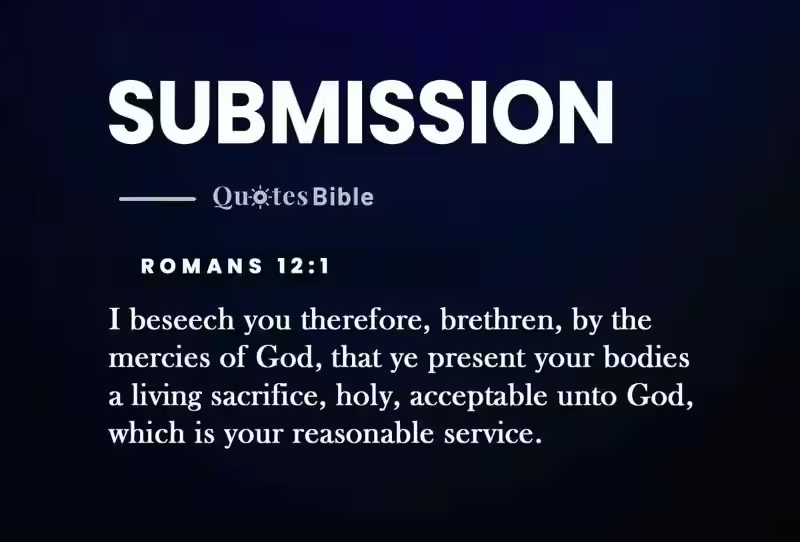
The concept of submission to God resonates deeply within the fabric of the Bible, weaving itself through countless narratives and shaping the lives of countless individuals. It’s not about surrendering our autonomy, but rather embracing a trusting relationship where God’s wisdom guides our steps. This profound act of submission encompasses a spectrum of actions, from acknowledging God’s sovereignty to actively obeying His commands. Understanding this crucial aspect of faith allows us to navigate life’s complexities with greater peace and purpose.
Imagine a ship sailing on a vast ocean. The captain, relying on seasoned sailors and intricate charts, meticulously navigates the vessel. Yet, the ship’s destiny is also dependent on external forces – weather patterns, currents, and unpredictable storms. Ultimately, the captain’s submission to the forces of nature allows the ship to adapt and reach its intended destination safely. This principle mirrors our relationship with God. We are the ship, and God is the captain. Our submission to His guidance allows us to navigate the storms of life and arrive at our intended destination – a life aligned with His purpose.
Submission to God is not a passive act of resignation, but a proactive choice rooted in a deep love and reverence for Him. It acknowledges His supreme authority and infinite wisdom. This understanding is fundamental to a healthy relationship with God. It’s about recognizing that God knows best, even when our circumstances seem frustrating or unfair. It’s also about aligning our wills with His, trusting that His plans are always for our ultimate good.
This concept isn’t always easy. Consider the story of Abraham, called upon to sacrifice his son. Abraham’s submission wasn’t merely obedience to a command; it was a testament to his trust in God’s unwavering goodness. This example highlights that true submission is tested, demanding faith even when our understanding is limited. Such acts of trust demonstrate a deep and abiding submission to God’s will, no matter the personal cost.
Examples of Submission in the Bible
The Bible offers numerous examples of individuals who exemplified submission to God. Notable figures like Moses, David, and Mary demonstrate profound submission in various circumstances. Moses’s submission to God’s call led him to confront Pharaoh and deliver God’s people. David, despite facing immense personal struggles, consistently sought God’s guidance and demonstrated unwavering faith in His promises. Mary, the mother of Jesus, demonstrated perfect submission to God’s will by accepting her role in the divine plan.
These stories showcase that submission is a multifaceted concept. It involves listening to God’s voice, obeying His commands, and trusting His plan even when it seems challenging. This encompasses a wide range of circumstances: difficult decisions, personal hardship, and significant life events. These figures remind us that submission is not about minimizing our own agency; it is about recognizing our place within the larger narrative of God’s plan.
Applying Submission to Daily Life
Submission to God isn’t confined to biblical narratives; it’s a principle applicable to our daily lives. We can demonstrate this in our relationships, our work, and our personal struggles. In difficult relationships, it might manifest in patience and forgiveness. At work, it might involve prioritizing principles over immediate gratification. In personal struggles, it might involve seeking counsel and surrendering our fears to God’s care.
Submission isn’t about denying our feelings or ignoring our own needs. Rather, it is about prioritizing God’s guidance and aligning our actions with His will. This can involve a conscious effort to pray for wisdom in our decisions, to seek His perspective on our challenges, and to trust that He is working even when we don’t see the outcome. These steps, when practiced consistently, lead to a deeper understanding of God’s love and purpose.
Conclusion: A Life of Faith and Trust
Submission to God is a journey that requires consistent effort, humility, and unwavering trust. It’s about acknowledging our limitations and recognizing God’s boundless wisdom and power. Embracing this concept cultivates a profound relationship with God and enables us to navigate life’s complexities with greater peace and purpose. It allows us to find strength in adversity and joy in obedience. Ultimately, submission is a testament to our faith and a reflection of our love for God.
This journey isn’t always easy. But by actively seeking God’s guidance, practicing obedience, and trusting in His plan, we can cultivate a life of faith and trust, ultimately arriving at a place of complete fulfillment and deeper intimacy with our Creator. This is the ultimate reward of our submission.
Frequently Asked Questions about Submission to God in the Bible and Religion
What does it mean to submit to God in the Bible?
Submitting to God involves acknowledging God’s sovereignty, trusting in His plan, and aligning one’s will with His. It’s about recognizing God as the ultimate authority and responding in obedience and faith.
How does submission to God relate to other religious beliefs?
Different religions have varying perspectives on submission, often emphasizing obedience to divine will, respect for spiritual leaders, or adherence to religious laws. The concept of submission is frequently a central tenet in many faiths.
What are the benefits of submitting to God’s will?
Submitting to God’s will can lead to peace, guidance, and a deeper relationship with Him. It fosters trust in His wisdom and provision, often resulting in aligning one’s life with a greater purpose.
How does submission to God relate to free will?
Submitting to God’s will doesn’t negate free will. It’s about choosing to trust in His plan and aligning one’s decisions with what is in accordance with His will.
What are some examples of submission to God in the Bible?
Numerous figures in the Bible, including Abraham, Moses, and Jesus, demonstrate submission to God. Their actions illustrate faith, obedience, and trust in God’s divine plan.
What happens when we don’t submit to God?
The Bible often portrays consequences for disobedience, including spiritual separation, difficulties, and hindering one’s relationship with God.
Can submission to God be learned or is it a gift?
Submission to God is a process that can be learned and developed through prayer, studying scripture, and cultivating a relationship with God. It’s a journey that involves growth and learning.