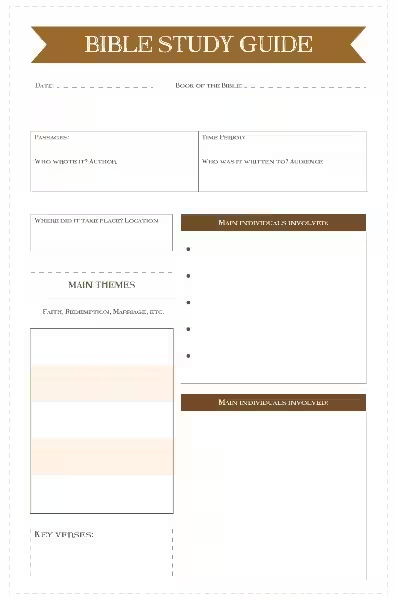
Delving into the Bible can feel daunting, like navigating a vast and ancient library. But with a structured approach and the right tools, understanding God’s Word becomes a deeply rewarding journey. This guide will equip you with practical strategies for engaging with scriptures, helping you discover their timeless wisdom and relevance to your life today. Understanding scriptures is more than just reading words; it’s about relating to the message and applying it. This involves active participation, reflection, and a willingness to seek God’s guidance.
Effective Bible study is a personal journey, not a race. Your pace, your questions, and your experiences will shape your understanding. It’s about listening to God’s voice, even if that voice is a gentle whisper amidst the clamor of daily life. Start small and cultivate a daily practice. Like watering a seed, consistency yields the best results. A simple 15-minute daily reading can transform your perspective. Consider the scriptures as a conversation. God is speaking, and you are listening and responding. For example, consider the parable of the sower in Matthew 13. This isn’t just a story; it’s a metaphor for how different types of people receive and react to God’s word.
Deciding where to focus your study is crucial. Don’t try to tackle the entire Bible at once. Instead, choose a specific book, passage, or even a single verse. Narrowing your focus allows for deeper understanding and application. Maybe you’re struggling with anxiety. You could study passages about peace, like Philippians 4:6-7. Or, maybe you want to understand how to forgive others. You could explore Matthew 6:14-15. Small sections are easier to digest and reflect on. This targeted approach is far more impactful than a superficial overview. For example, instead of reading the entire book of Psalms, you might focus on the Psalms that address feelings of despair (Psalm 22, Psalm 13) to develop a deeper understanding.
Think about your current life challenges or joys. What are you wrestling with? What are you grateful for? Your personal context will dictate which scriptures resonate most deeply. Pray for guidance as you select your focus. Ask God to illuminate those areas and reveal His wisdom. For example, if you feel lost or overwhelmed, consider passages about finding direction like Jeremiah 29:11. Allow the Holy Spirit to guide your study. Prayer and reflection are paramount in the process.
Understanding the Context
Context is key to accurate interpretation. A single verse can mean different things within different contexts. Understanding the historical and cultural background of the passage is essential. Consider the author’s purpose, the intended audience, and the surrounding verses. Who wrote it? When were they writing? What was the situation at the time? Ask yourself questions about the passage’s surrounding content. For instance, studying the Gospels requires understanding the Roman occupation, Jewish customs, and the different socio-economic groups of the time. Luke 19:10-27, for example, is about God’s mercy and grace towards those far from him, but to appreciate it truly requires knowledge of the Jewish culture.
Consider the literary genre of the passage. Is it a parable, a letter, poetry, or historical narrative? Different genres require different approaches. For example, Psalms are often poetic expressions of faith and emotion. Understanding their metaphorical nature is essential. Proverbs, on the other hand, are wise sayings that offer practical guidance. Using tools like commentaries and Bible dictionaries can be invaluable. These resources will provide further insights into the scripture’s historical and cultural context. For example, a commentary on the book of Revelation will provide context for understanding the symbolism within the text.
The ultimate goal of Bible study is application. What does this passage mean for your life today? How can you live out this truth in a tangible way? Reflect on how the passage speaks to your current circumstances. Ask yourself how the scripture relates to your goals, fears, and hopes. Consider challenging beliefs and values. For example, Romans 12:2 encourages us to be transformed by the renewing of our minds. How can you apply that principle to your daily thoughts and actions? Identify practical steps you can take to incorporate the scripture into your life. A simple prayer, a kind word, or a thoughtful action can all be ways of applying the scriptures. Consider the story of Daniel and his friends in the lions’ den. Their choices were not abstract; they were tangible demonstrations of faith.
Journaling and meditation can help you process your thoughts and feelings. Record your insights, questions, and initial reactions. Sharing your reflections with others can provide different perspectives and support. Consider starting a study group or connecting with a mentor. Scripture study isn’t a solitary endeavor. Discuss your insights with others. Connect with a community of faith to gain further insights and support. This encourages growth and helps you to better grasp the deeper meanings of the passages.
Frequently Asked Questions
What scriptures should I use for Bible study?
The Bible itself is the primary scripture. Different versions (e.g., King James Version, New International Version) offer varied translations and interpretations. Consider consulting study Bibles or commentaries for deeper understanding.
Religion is a belief system and practices related to the worship of a deity or deities, often involving moral codes, rituals, and community. Different religions have diverse beliefs and traditions.
How do I choose a religion?
Choosing a religion is a deeply personal decision. Research different faiths, explore their teachings, and consider what resonates with your values and beliefs. Seek guidance from trusted sources and individuals.
What are the key differences between religions?
Key differences include views on the nature of God, the afterlife, morality, and salvation. Specific doctrines, rituals, and practices also vary widely.
How can I understand scriptures better?
Understanding scriptures requires careful reading, prayerful reflection, and engaging with other believers. Study aids, commentaries, and discussions with knowledgeable individuals can deepen your comprehension.