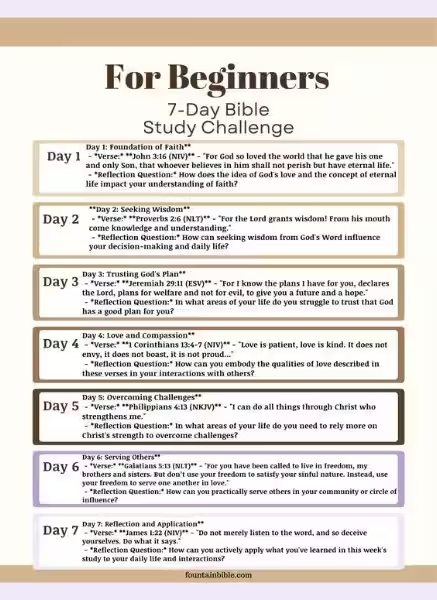
Exploring the Bible can be a profoundly rewarding experience, but it can also feel daunting. Bible study doesn’t have to be a solitary, intimidating task. This guide will help you approach Bible study with enthusiasm and intention, making it a personal and enriching journey. Whether you’re an absolute beginner or someone looking to deepen your understanding, these steps will equip you with the tools to navigate the scriptures effectively.
Finding a study method that resonates with you is key. Many different approaches exist, from simple daily readings to in-depth group discussions. Your motivation and lifestyle will determine the best approach for you. For example, some people thrive in a structured environment, while others prefer a more flexible, personal experience. Consider what works best with your schedule and personality to make Bible study a sustainable practice.
The first step in any Bible study is selecting a suitable method. Different approaches emphasize varying aspects of scripture. Some popular methods include: devotional reading, where you focus on personal reflection and applying principles to your life; study groups, where you discuss and debate interpretations with others; and historical & cultural context, which delves into the historical and cultural backgrounds of the biblical texts. For example, understanding the social customs of ancient Israel can illuminate the meanings behind certain passages.
Another vital aspect of Bible study is choosing a study plan. This might involve selecting specific books or passages, or following a pre-existing study guide. If you’re a beginner, consider starting with a well-structured plan or an easily digestible study resource. This can provide direction and a clear path to explore the scriptures. A simple example could be focusing on a single chapter per week, allowing ample time for reflection and understanding.
Tools can significantly enhance your Bible study experience, transforming it from a challenge to a rewarding adventure. A high-quality study Bible is a must-have resource. It often includes helpful annotations, cross-references, and historical context that will greatly aid your understanding. Other helpful tools include commentaries, which offer deeper insights into various passages, and dictionaries of biblical languages, which provide clarity on words and concepts. You can also utilize online resources to broaden your perspectives and connect with others engaging in Bible study.
Don’t underestimate the power of journaling. Keeping a journal to record your thoughts, reflections, and insights can deepen your personal connection with the scriptures. A dedicated journal can be a powerful tool, even for very short daily Bible study sessions. For instance, jotting down questions, connections to your own life, and insights gained from discussion can significantly enhance your understanding and make the experience more meaningful.
Building a Sustainable Bible Study Routine
Consistency is key to making Bible study a lifelong practice. Regularity, no matter how small the commitment, is more important than infrequent, intense sessions. Start with small, manageable goals, like reading a chapter each day or joining a weekly study group. Finding a time that suits your schedule is crucial. Waking up early, during your lunch break, or even before bed can work well. For example, if you’re busy, setting aside 15 minutes each morning for a short devotional reading can be hugely beneficial in the long run.
Building a supportive community can greatly enhance your Bible study experience. Sharing your insights with fellow students, or perhaps finding a mentor, can help you grow spiritually. For example, consider joining a local church group that offers Bible studies, or look for online forums dedicated to Bible study. Finding like-minded individuals can enrich the journey and create lasting connections.
Integrating prayer into your Bible study routine is invaluable. Prayer can help you connect with God and gain insights into the scriptures. Praying before, during, and after your reading can deepen your understanding. For instance, asking God for clarity and guidance as you read the scriptures can open your mind to deeper meanings. This practice can unlock personal insights about God’s intentions and the passage’s relevance to your life.
Reflection and application are essential aspects of Bible study. Take time to ponder the passages you read and consider how they relate to your daily life. By applying biblical principles to your challenges and decisions, you’ll experience a more profound connection to the scripture. For example, reflecting on a passage about forgiveness can prompt you to forgive a friend or family member or to work on your own forgiveness.
Frequently Asked Questions
What does “search the word bible study” mean?
Searching the word “Bible study” typically refers to looking for information, resources, or communities related to studying the Bible. This could involve finding online resources, books, or groups focused on biblical interpretation and application.
What is religion?
Religion is a set of beliefs and practices related to the supernatural, often involving a deity, a moral code, and a community of believers. It can encompass rituals, ceremonies, and ethical guidelines for living.