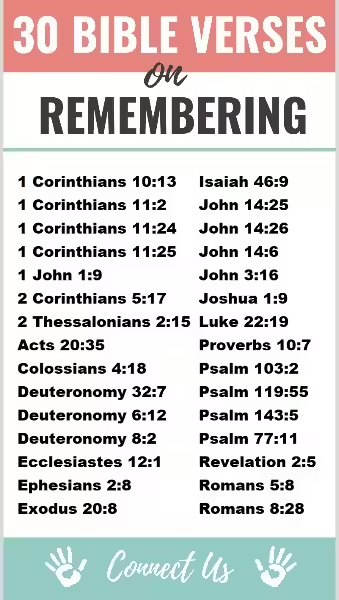
Remembering, a fundamental aspect of human experience, takes on profound significance within religious traditions. It’s more than just recalling past events; it’s about cultivating a connection to the divine, honoring the past, and shaping the future. From the ancient scriptures of the world to contemporary spiritual practices, the importance of remembrance is woven throughout the tapestry of faith.
The act of remembrance isn’t passive; it’s an active engagement. We remember not just to recall, but to learn from the past, to understand the present, and to anticipate the future with wisdom and purpose. This isn’t just about recalling facts or dates; it’s about re-experiencing the lessons, the emotions, and the impact of those events on our lives and on the world around us. This is evident in many religious texts, like the constant reminders to remember God’s blessings and covenant in the Old Testament. For example, the Israelites were commanded to remember the Exodus from Egypt. This wasn’t just a historical event to be studied; it was a call to remember the power and faithfulness of God in their lives.
The Importance of Remembrance in Personal Reflection
Personal reflection plays a crucial role in the process of remembering. We often turn to scripture for guidance in understanding our own lives, seeking wisdom and inspiration. Consider how many times you’ve read a passage and pondered its meaning in relation to your own experiences. It’s a powerful form of self-examination, rooted in the idea that every life experience is connected to a greater narrative. For instance, when we remember moments of hardship and challenge, we can develop resilience. That understanding can be found in many passages: “For I will remember the days of old, /and meditate on all your works; /I will ponder over the work of your hands” (Psalm 77:11-12). This is a reminder to reflect on God’s actions in the past and to use that experience to strengthen your faith in the present.
Taking time for self-reflection fosters a deeper understanding of ourselves. By remembering our past failures and triumphs, we can cultivate empathy for ourselves and others. This self-awareness can lead to personal growth and a more meaningful life. The Bible is filled with stories of people wrestling with their past and seeking redemption – and in the process, gaining understanding. Consider the story of David in the Psalms. He experienced both immense joy and excruciating sorrow. He remembered both, and these experiences shaped his prayers and worship. This understanding is critical in fostering resilience, compassion, and growth.
Remembering in Community and Tradition
Remembering isn’t just an individual pursuit; it’s a collective endeavor, strengthening bonds within communities. Religious traditions often include rituals and practices that serve as reminders of shared history, values, and beliefs. These shared experiences allow for the collective remembrance of pivotal moments in the history of the faith. For example, Jewish people remember the Exodus with Passover celebrations, or Christians commemorate the life, death, and resurrection of Jesus through worship services. These ceremonies remind us of the importance of community and continuity through generations. The scriptures often emphasize this interconnectedness: “Remember the former things, those of long ago; I am God, and there is no other; I am God, and there is none like me” (Isaiah 46:9). This passage emphasizes the enduring nature of God and the continuity of His plan.
These shared moments of remembering foster a strong sense of belonging and purpose. By participating in rituals and ceremonies, we connect with our ancestors, connect with the present, and with the future generations. Think of the value of passing down stories, traditions, and values from one generation to the next. This is a powerful way to preserve cultural heritage and instill a sense of tradition and hope. The continuous act of remembering helps us learn and grow together, shaping our communities and our future. For example, the storytelling and the shared meals in many religious traditions reinforce the collective memory and teach lessons of faith to the next generation.
Remembering the past is essential for navigating the present and shaping the future. Learning from history, whether personal or collective, provides valuable insights and wisdom. This can be seen in the biblical stories of Abraham, Moses, or Jesus. Their experiences, remembered and analyzed, provide valuable lessons for our own lives. By remembering the trials and tribulations of the past, we are better equipped to face present challenges and anticipate future possibilities. “Remember the Lord, your God, for it is he who gives you power to gain wealth” (Deuteronomy 8:18). This verse emphasizes the connection between remembering God and the blessings that follow.
Remembering also fuels hope. By reminding us of divine intervention in previous times, we find strength in facing our own struggles and uncertainties. This reminds us that God is active in the present and attentive to our needs, just as He was in the past. The remembrance of past miracles, teachings, and testimonies can inspire hope and faith in difficult times. Think of how remembering a specific prayer that brought you comfort or a moment of divine intervention can give you courage to face current struggles. The act of remembering provides a comforting reminder of God’s faithfulness, providing us with direction and support in our journey.
Frequently Asked Questions about Remembering in Scripture and Religion
What does the Bible say about remembering?
Remembering God, His promises, and His acts of salvation is a recurring theme throughout the Bible. It’s often linked with obedience, gratitude, and spiritual growth. Specific examples include remembering the Exodus, the Sabbath, and the Lord’s Supper.
Remembering God strengthens faith by reinforcing His presence in our lives. It helps us draw strength from His past faithfulness and anticipate His future blessings. This remembrance can inspire hope, gratitude, and a deeper relationship with Him.
What are some different ways to remember God?
Ways of remembering God are diverse and personal. They can include prayer, studying scripture, attending religious services, reflecting on past blessings, and acts of service to others.
How is remembering related to forgiveness and repentance?
Remembering past sins and mistakes can lead to genuine repentance and forgiveness. It’s recognizing the need for change and relying on God’s mercy. Rememberance of God’s grace in the past can empower present action towards a relationship with him.
How can I remember important religious teachings?
Regular study of scripture, participation in religious communities, and meditation on these teachings can aid in remembering them. Journaling, using memory aids, and discussing with others also help.
What role does remembering play in different religions?
Remembering rituals, important figures, or historical events is significant in many religions. These reminders foster a sense of community, shared history, and spiritual connection. The specific practices vary but the function of remembering is consistent.