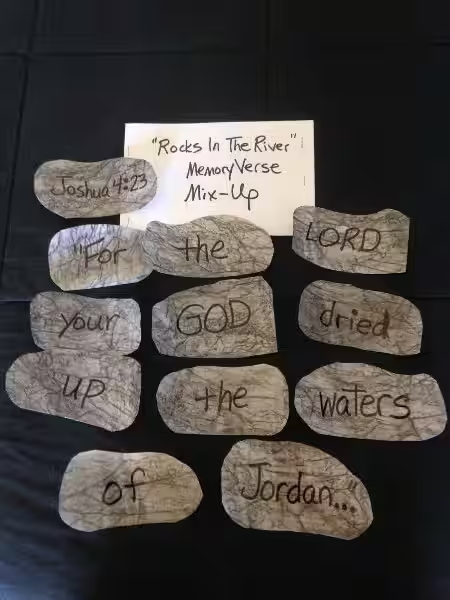
We often think of scripture stones of remembrance as mere physical objects, remnants of ancient cultures. However, they hold a profound significance, far surpassing their material form. These stones, etched with inscriptions or symbols, act as tangible links to the past, reminding us of stories, beliefs, and values. They connect us to the religious and cultural heritage of those who came before us. This connection is vital, as these stones whisper tales that resonate with us even in the modern world, fostering a deeper appreciation for history and faith.
Imagine a stone, weathered by centuries of wind and rain, bearing a simple inscription. This stone, though seemingly insignificant, represents a pivotal moment in history. It might commemorate a victory, a treaty, or perhaps a profound spiritual experience. These stones are more than just markers; they are tangible anchors to the past. They’re a reminder of the enduring power of faith and human connection. Consider the profound impact of seeing such a stone – its stories are not just words on a rock; they’re living narratives passed down through generations, urging us to reflect on our own lives and the values that shape them.
Scripture stones are deeply intertwined with religious practices and beliefs. They often serve as focal points for meditation, prayer, and rituals. Their physical presence allows individuals to ground themselves in their faith, fostering a deeper connection with the divine or the historical figures commemorated. For example, a stone bearing a phrase from a sacred text can evoke a sense of peace and reflection, offering a way to connect with the spiritual heritage encoded within the imagery and words.
These stones are often associated with sacred sites or locations. Their presence symbolizes the enduring legacy of a particular religious tradition. Their inscriptions often detail important events or teachings, acting as living testaments to the power of faith. Consider the impact of standing before a stone that commemorates a key moment in the teachings of a particular religious figure. This physical manifestation of the past can inspire profound reflection on the teachings of that tradition and the practices of those who have come before us.
Understanding the Historical Context
Understanding the historical context of scripture stones is crucial to appreciating their true meaning. They often provide insight into the social, political, and religious landscape of the time they were created. For example, the presence of specific symbols or inscriptions can reveal details about prevailing beliefs, deities, or cultural practices. Through these stones, we can glimpse into the lives of past civilizations and understand their perspectives, motivations, and the impact of their beliefs.
Examining scripture stones reveals a window into the past. They offer a unique and often overlooked perspective on the beliefs and values of those who came before us. For instance, the depiction of a certain deity on a stone may suggest that society revered that particular divinity. Studying these stones allows us to create a more complete picture of human history, understanding the evolution of faith and culture. These stones provide a direct link to the past, allowing us to appreciate the evolution of beliefs and practices across different eras and communities.
Connecting with Our Shared Heritage
Scripture stones of remembrance foster a sense of connection with our shared heritage and past. Their presence reminds us of the continuous thread that binds us to generations that came before. These stones allow us to appreciate the cultural richness of the past. Consider the impact of seeing a stone that commemorates a historical event, a significant figure, or a key moment in a particular religion. These stones transport us to another time, allowing us to experience history in a very real and meaningful way.
By studying these stones, we gain a deeper understanding of our past. This understanding, in turn, shapes our present and future. The narratives etched on these stones offer insights into human resilience, faith, and hope. It allows us to reflect on the importance of preserving history and cultural heritage. For example, a stone engraved with a prayer for peace offers a glimpse into the universal human desire for harmony, reminding us that empathy and understanding are as relevant now as they were then.
Preserving the Legacy of the Past
Preserving scripture stones of remembrance is crucial for maintaining a connection to our shared past and for future generations. These stones represent a tangible link to our history, our heritage, and our spiritual traditions. Protecting these historical artifacts helps us understand the evolution of faith and culture over time. For example, maintaining these stones allows future generations to learn from the past and gain a more comprehensive understanding of human history.
The preservation of scripture stones also ensures that these stories continue to resonate within communities. These stories – whether of faith, conflict, or cultural evolution – provide vital context. The stones act as anchors, grounding us in our heritage, and connecting us with the stories passed down through time. Proper care and maintenance help ensure that these stones continue to tell their stories and shape our understanding of our past.
Frequently Asked Questions about Scripture Stones of Remembrance
What are Scripture Stones of Remembrance?
Scripture Stones of Remembrance are physical objects, often stones, inscribed with religious texts or symbols. They serve as reminders of important events, teachings, or promises within a specific religious tradition.
What is the purpose of Scripture Stones of Remembrance?
The purpose varies depending on the specific religious tradition and individual use. They can serve as a personal reminder of faith, a focal point for prayer, a marker of significant events, or a testament to shared religious beliefs within a community.
What materials are used to create Scripture Stones of Remembrance?
The materials vary, but common choices include stone, wood, metal, or even clay. The selection often correlates with cultural practices and availability of resources.
Where are Scripture Stones of Remembrance typically used?
They can be found in various locations including homes, religious sites, gardens, or on personal property, depending on the specific religious tradition and customs.
How are Scripture Stones of Remembrance maintained?
Maintenance varies, but generally involves keeping the stones clean and protected from the elements. Respect for the sacred nature of the inscriptions is key.
How do Scripture Stones of Remembrance relate to different religions?
The concept of using stones to commemorate religious events or teachings spans numerous traditions. While the specific forms and practices may differ, the core idea of remembrance is often shared.