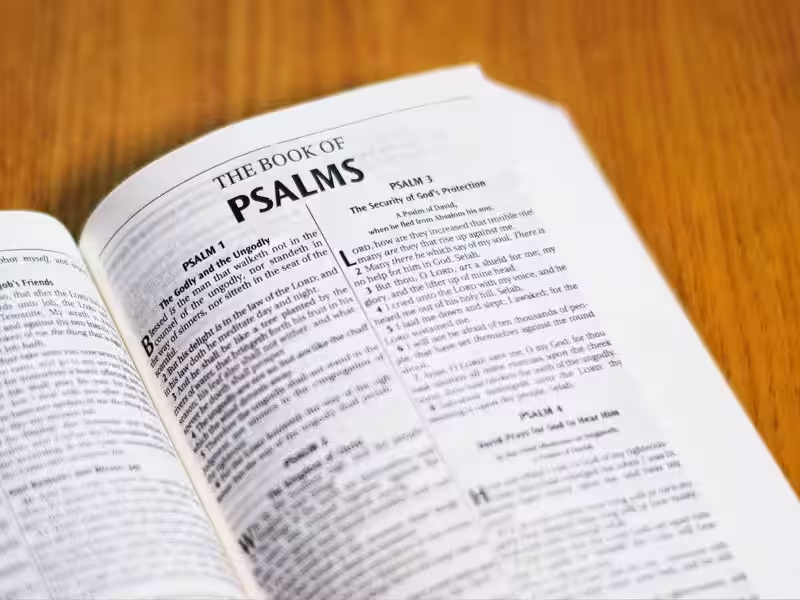
The Psalms, a collection of ancient Hebrew poetry, offer profound insights into the human experience, particularly in times of hardship and joy. Psalms 23 and 24 stand out for their practical application and universal appeal. They provide a framework for navigating life’s complexities with faith, resilience, and a deep connection to something greater than ourselves. These powerful texts resonate deeply with individuals seeking spiritual solace and practical wisdom in both personal and collective contexts. This exploration dives into the heart of these Psalms and reveals their enduring relevance.
Imagine a world filled with uncertainties, anxieties, and moments of profound vulnerability. The Psalms offer a safe harbour in the midst of the storm. Through powerful imagery and relatable language, both Psalms 23 and 24 offer a pathway to navigate these difficult waters. Themes of trust, guidance, and belonging are woven throughout, providing a comforting presence during both times of peace and distress. These Psalms aren’t just ancient texts; they’re a timeless compass pointing towards a deeper understanding of ourselves and our relationship with the divine.
Psalm 23, often called the “Shepherd Psalm,” is a masterpiece of poetic imagery. It paints a vivid picture of God as a loving and devoted shepherd. The psalmist uses the imagery of a shepherd caring for their flock to illustrate the profound care and provision of God to his people. Key verses like “The Lord is my shepherd, I lack nothing” emphasize the security and sufficiency offered by a relationship with God. This imagery can be incredibly comforting to those feeling lost or alone.
This concept of a shepherd can be applied in various contexts. Consider an example of someone struggling with a significant loss or life transition. Psalm 23 reassures them that even in the valley of the shadow of death, God is present, providing comfort and strength. The shepherd’s presence offers a guiding hand and instils hope allowing individuals to find solace and assurance in their faith. The imagery of the table and a good reputation as well as being led by God, are all present in this psalm, underscoring the assurance of God’s presence and care.
Psalm 24: The Earth is the Lord’s
Psalm 24, a hymn of praise and reflection, declares that the earth belongs to the Lord. This concept of God’s dominion over all creation highlights the awe-inspiring nature of God’s power and majesty. It also emphasizes the importance of humility and reverence in our relationship with God. By declaring the earth as belonging to God, we are reminded of our place within the larger scheme of things and our responsibility to treat all of creation with respect.
This Psalm can also be seen as a declaration of faith. It speaks to those who may feel overwhelmed by worldly concerns or uncertainties. A person who feels lost or overwhelmed, for example, can find comfort and peace in the knowledge that the earth, in all its vastness and complexity, belongs to a loving and caring God. This profound declaration reminds us that our lives, in all their complexities, are also under the care of a powerful and merciful God. This Psalm inspires wonder and a deepened sense of spiritual awareness.
Both Psalms 23 and 24 offer a path to spiritual growth and emotional well-being. Reading and contemplating these ancient texts can be a powerful way to connect with your faith, find solace in challenging times, and experience a renewed sense of hope and purpose. Their messages resonate deeply because they address universal human experiences like fear, vulnerability, and longing for connection. The Psalms are not just a collection of words; they’re a living, breathing testament to the enduring power of faith and devotion.
Applying the lessons of Psalms 23 and 24 to modern life involves recognizing their relevance to our daily challenges. For example, the Shepherd imagery in Psalm 23 can be a source of strength in times of hardship, reminding us that God walks alongside us through trials. The declaration of God’s dominion in Psalm 24 invites us to approach life with humility and reverence, offering a fresh perspective on daily choices and interactions. Engaging with these Psalms can offer a renewed appreciation for the profound wisdom contained within these ancient texts, guiding us towards a more fulfilling and meaningful life.
Frequently Asked Questions about Psalms 23-24
What are the main themes of Psalms 23 and 24?
Psalm 23 emphasizes God’s provision and protection, portraying a shepherd-like relationship with the believer. Psalm 24 highlights God’s sovereignty and calls for a holy and worthy approach to His presence.
What does the “shepherd” imagery in Psalm 23 represent?
The shepherd represents God, who guides, cares for, and protects His people.
How does Psalm 23 offer comfort in times of trouble?
The psalm assures the believer that even in difficult situations, God remains present, providing comfort, guidance, and sustenance.
What does Psalm 24 mean when it says, “Who may ascend into the hill of the Lord?”
This verse emphasizes that only those who are pure in heart and righteous can approach God. It signifies the requirement of spiritual purity and devotion.
What is the significance of the “Lord” in both Psalms?
“Lord” (Yahweh) represents the divine name of God, emphasizing His authority, power, and relationship with His people.
How can I apply the lessons from these psalms to my daily life?
Trust in God’s provision and presence, seeking His guidance in all situations. Strive for a life of holiness and righteousness, recognizing God’s sovereignty.
What is the connection between Psalm 23 and Psalm 24?
Both psalms describe God’s relationship with His people. Psalm 23 focuses on God’s care and comfort, while Psalm 24 highlights the need for holiness and worthy approach to God. They complement each other.
What is the historical context of these Psalms?
The exact historical context is uncertain, but they likely reflect the experiences and faith of the Israelites during various periods of their history.