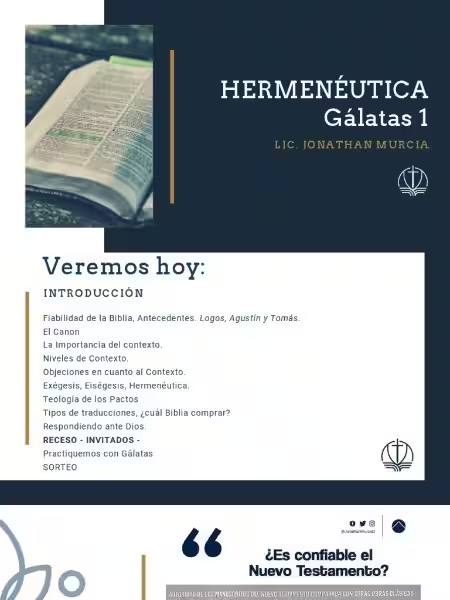
The Old Testament, a cornerstone of religious and cultural history, offers a rich tapestry of wisdom, stories, and moral guidance. Its profound insights into human nature, societal structures, and divine interaction continue to resonate with people today. This journey through selected Old Testament passages explores the enduring relevance and practical applications of these timeless teachings. We’ll examine the poetic beauty, ethical challenges, and historical context of these remarkable texts.
More than just ancient scriptures, these verses offer a unique opportunity for self-reflection and personal growth. By understanding the historical context, literary devices, and underlying messages of these passages, we can gain invaluable insights into our own lives. For example, by studying the Book of Proverbs, we can develop a deeper understanding of practical wisdom for everyday living. Similarly, encountering the prophetic words of the Old Testament can illuminate our understanding of societal issues and our role within the world.
Navigating the Moral Landscape: Ethical Lessons from the Old Testament
The Old Testament provides a framework for navigating ethical dilemmas through narratives and commandments. These teachings often present complex situations and contrasting viewpoints. For example, consider the story of Abraham and his willingness to sacrifice Isaac. This story explores the concept of faith and obedience in the face of unimaginable challenges, prompting us to consider the nuances of these values. The moral teachings also emphasize the importance of justice, compassion, and humility. These principles are profoundly relevant to the modern world, offering guidance in ethical decision-making.
Furthermore, the Old Testament highlights the importance of personal responsibility and accountability. Many verses emphasize the importance of upholding one’s commitments and acting with integrity. For instance, numerous passages in the book of Deuteronomy underscore the consequences of disobedience and the rewards of righteousness. These themes of personal responsibility and ethical conduct remain crucial in shaping personal character and societal well-being. Consider: “Do not be deceived: God is not mocked. For whatever a man sows, that he will also reap.” (Galatians 6:7, although this is New Testament, the ethical principle resonates).
Unveiling the Prophetic Voice: Understanding God’s Messages
The prophets of the Old Testament served as messengers, delivering God’s pronouncements and warnings to the people. Their words often intertwined judgment and hope, reflecting God’s unwavering concern for humanity. For example, the prophet Isaiah’s vision of a future filled with righteousness and peace speaks to the enduring human desire for a just and equitable society. Through these prophecies, we can develop a deeper understanding of God’s intentions for humanity and the importance of living in accordance with those intentions. Notable examples include Isaiah’s prophecies of the coming Messiah and the restoration of Israel.
These prophetic pronouncements often contain poetic imagery and vivid symbolism. They often use metaphors and parables to convey profound truths. For example, the imagery of a shepherd caring for his flock can symbolize God’s loving care for his people. Understanding these literary devices is crucial to grasping the full meaning of the prophets’ messages. These insights can help us connect with the prophetic voice and understand its relevance in our lives today. Consider the powerful message in Jeremiah 29:11: “For I know the plans I have for you, declares the Lord, plans to prosper you and not to harm you, plans to give you hope and a future.”.
Connecting with the Divine: Exploring Faith and Devotion in the Old Testament
The Old Testament deeply explores the concept of faith and devotion to God. The stories of individuals like Abraham, Moses, and David highlight the human capacity for faith in the face of adversity. Through their unwavering trust in God, they faced impossible challenges and emerged victorious. This demonstrates the power of faith to overcome obstacles and the enduring belief in a divine connection. The narratives of these figures provide valuable examples for navigating our own challenges with unwavering faith.
Moreover, the Old Testament emphasizes the importance of gratitude and worship. Through their acts of praise and thanksgiving, the people expressed their appreciation for God’s blessings. This reverence for the divine is an essential element of faith and a vital aspect of spiritual well-being. Many Psalms express deep devotion and gratitude to God. For instance, Psalm 100:4, states: “Enter his gates with thanksgiving and his courts with praise; give thanks to him and praise his name.” These examples reinforce the importance of expressing gratitude and reverence in our own lives.
Frequently Asked Questions
What are some key themes in the Old Testament?
The Old Testament explores themes of covenant, law, prophecy, and the relationship between God and humanity. It details the history of God’s chosen people, Israel, and their struggles with faith and obedience.
What is the significance of the Old Testament in Christianity?
The Old Testament is foundational to Christianity, providing historical context, ethical principles, and prophetic foreshadowing of Jesus Christ. It lays the groundwork for understanding God’s plan of salvation.
You can find specific Old Testament quotes by referencing the book, chapter, and verse (e.g., Genesis 1:1). Many Bible study resources and online Bible platforms allow searching by keywords or topic.
What is the difference between the Old and New Testaments?
The Old Testament focuses on God’s covenant with the Israelites and the laws and prophets leading up to Jesus’s arrival. The New Testament describes Jesus’s life, teachings, death, and resurrection, and the early Christian church.
What are some common misconceptions about religion?
Some common misconceptions include the idea that all religions are the same, that religion is solely about rules, or that belief systems are inherently negative or divisive.
What is the role of faith in religion?
Faith, in many religions, is the trust and belief in God, a higher power, or a set of principles. Often, faith involves action and living according to those beliefs.