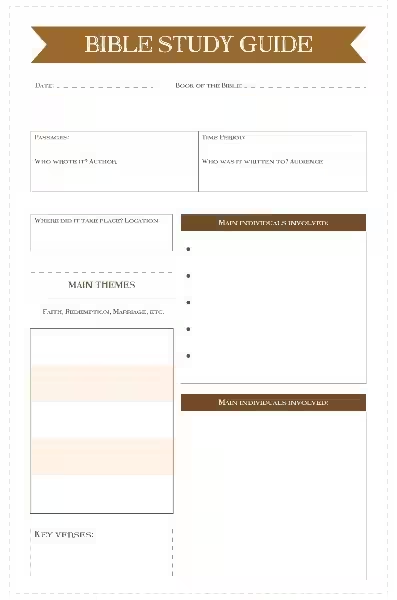
We all approach the Bible with different goals. Some seek to memorize verses, others to understand complex theological concepts, and still others to find personal application. No matter your motivation, taking effective notes in your Bible is a powerful tool to deepen your understanding and connection with Scripture. This isn’t just about jotting down highlights; it’s about engaging with the text on a deeper level.
Your Bible already is a treasure trove of knowledge waiting to be unearthed. Imagine your Bible as a vast library, brimming with volumes of stories, wisdom, and divine guidance. By taking notes, you’re equipping yourself with the tools to navigate this library with ease and clarity. This process allows you to personalize your study, making the Bible more accessible and empowering you to internalize its messages.
Discovering your personal preference for note-taking is crucial. Experiment with different styles to find what best suits your learning preferences and your overall study goals. Some people thrive with simple summaries, while others find detailed analyses more fruitful. For example, a simple highlight of a verse that resonates with you could be a powerful way to connect with it, or maybe you prefer drawing diagrams or sketches to grasp complex concepts.
Consider these note-taking approaches: verbatim jottings (recording exact phrases), paraphrasing (summarizing in your own words), questioning (asking about specific passages), making connections (linking verses to themes or other parts of Scripture), and applying insights (identifying how the verses apply to your life). You can even create visual aids like timelines or mind maps to better understand historical contexts or biblical narratives.
Natural note-taking isn’t confined to fancy methods. It’s about recording your thoughts and reflections in a way that feels intuitive and enjoyable. One helpful technique is to simply highlight key verses and then add a brief, personal reflection in the margin. For example, if you highlight Psalm 23, you might write in the margin something like, “This psalm reminds me of God’s unwavering care and protection in all circumstances.” This simple act connects the passage to your personal experience.
Another natural technique involves asking yourself questions about the text. Consider things like: “What is the main idea of this passage?”, “Who are the key characters and what are their roles?”, “How does this passage relate to my life today?”. Recording these questions and answers directly in the margins fosters a deeper understanding of the scripture.
Creating a System for Your Notes
Establishing a consistent system will make your note-taking process much more effective. Develop a system that works for you. This could mean using different colored pens for different types of notes, or using specific symbols to denote questions or connections. A well-organized system helps you find information quickly when you need it and prevents your Bible from becoming cluttered or disorganized.
Use a notebook or journal alongside your Bible to record further thoughts and reflections. This is especially helpful for longer passages or complex ideas. Writing your thoughts down can help you to actively process the information and deepen your understanding. Organize your notes. Use headings and subheadings to categorize information, making it more easily searchable and retrievable.
Integrating Your Notes into Your Spiritual Journey
By incorporating these note-taking methods in your daily study, you’re not just recording information; you’re cultivating a deeper relationship with the Word. Your notes become a personal record of your spiritual growth. It’s a form of meditation and prayer, allowing God’s Word to shape your life. Review your notes regularly. Regularly revisit your notes to solidify your understanding and apply the wisdom found within to your everyday living. This practice helps you discover new meanings and applications as your life experiences evolve.
Ultimately, the best note-taking method is the one you consistently use. Remember, the goal is not to become a note-taking machine, but to foster a deeper connection with God’s Word. Be creative, be thoughtful, and be consistent, and your Bible will become your trusted guide on your spiritual journey.
Frequently Asked Questions
How do I take effective notes in my Bible?
Using a consistent system for note-taking in your Bible is key. Choose a method that works for you—highlighting key verses, writing summaries of passages, or creating outlines of theological concepts. Use different colors or symbols to categorize your notes. Be sure to clearly label your notes with dates and relevant page numbers.
What are some good note-taking tools for the Bible?
Highlighters, pens, pencils, sticky notes, and even digital apps can be helpful. Consider using different colored pens for different sections of notes or to mark themes.
How do I choose which verses to take notes on?
Focus on verses that resonate with you, challenge your understanding, or seem relevant to a specific topic or study you’re pursuing. Pay attention to recurring themes, powerful imagery, or verses that seem to address current life situations. Consider marking verses that you find particularly memorable or significant.
What should I avoid when taking notes in my Bible?
Avoid making notes that are too lengthy or distracting. Keep your notes concise and focused on the core message of the text. Avoid writing in a way that might later make the Bible less appealing to read. Don’t be afraid to ask questions and seek further clarification from others or resources.
What are the different ways to categorize notes in a Bible?
Use colors to differentiate topics, themes, or types of notes. Create headings or use abbreviations to quickly reference the content of your notes. Consider using a system of symbols or emojis to help with quick identification.