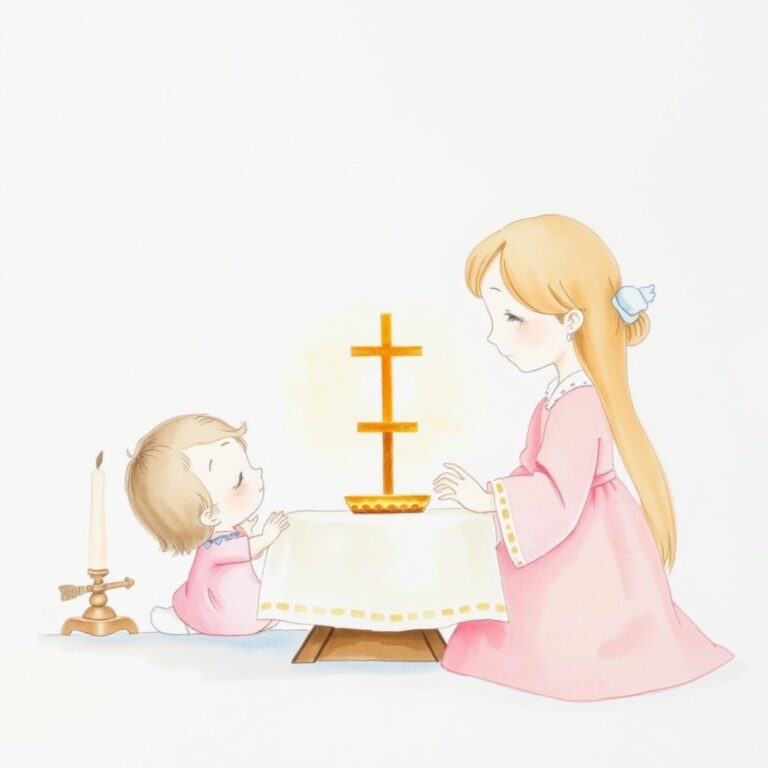
The Memore of Faith: Exploring the Lasting Impact of Religious Beliefs
The Memore of Faith: Exploring the Lasting Impact of Religious Beliefs
We all carry within us a deep-seated need to understand our place in the universe, to connect with something larger than ourselves. This profound yearning often finds expression through faith and religious practices. Memore, in this context, refers to the enduring influence of these beliefs, the way they shape our memories, our values, and our perspective on life's complexities. It's the lasting imprint of our religious experiences on the landscape of our lives. This article delves into the multifaceted nature of this memore, exploring how religion molds our understanding of the world and our relationships with others.
Faith is not merely a set of doctrines or rituals; it is a lived experience. It shapes our moral compass, influencing our choices and actions. This memore of faith can manifest in countless ways, from the quiet moments of reflection to the vibrant celebrations of communal worship. For example, a child raised in a church might carry the memore of fellowship and compassion, which may impact their interactions with others decades later. This memore of faith is a complex tapestry woven from personal experiences, communal traditions, and shared narratives.
Religious traditions are often rich with ritual and ceremony. These rituals serve as powerful reminders of core beliefs and values, creating a lasting memore. A baptism, a wedding, or a funeral—these are all examples of rituals that leave a deep and lasting mark. Each ritual, imbued with symbolism and meaning, contributes to the overall memore of a person's religious journey.
These rituals, often embodying shared history and communal belonging, help foster a sense of continuity and connection across generations. For instance, the Passover Seder, with its storytelling and symbolic foods, transmits the memore of the Exodus to every generation. This memore of tradition can be passed down through oral histories, written texts, and artistic expressions, creating a powerful connection to the past and shaping the present. This is a powerful example of how memore is not just an individual experience, but also a collective one.
The Memore of Community and Belonging
Religion often provides a sense of community and belonging. Sharing beliefs and values with others creates a strong memore of shared identity. Whether it's a weekly church service, a temple gathering, or a mosque prayer, these communal settings provide a space for connection and support. This sense of belonging acts as a foundational memore, shaping our social interactions and our understanding of our place in the world.
The memore of community can be exceptionally powerful, especially during times of adversity. The shared experience of faith can offer comfort, strength, and hope, creating a profound sense of connection and mutual support. This is particularly vital during moments of hardship, where the shared memore of religious community can provide a lifeline. Examples include community-based support groups, charitable works, or simply the shared sense of compassion and empathy within a faith-based community.
The Memore of Moral and Ethical Guidance
Many religions provide a framework for moral and ethical decision-making. The memore of these principles, instilled from early life, can guide our actions and choices throughout our lives. These principles, deeply rooted in shared beliefs, serve as a compass, directing our behavior and shaping our character. For example, the Ten Commandments in Judaism and Christianity, or the Five Pillars of Islam, provide concrete guidelines for ethical conduct.
These moral codes shape our perspectives on right and wrong, influencing our interactions with others and how we navigate the complexities of life. The memore of these ethical guidelines can be a powerful source of strength and resilience, even in challenging situations. For instance, individuals who have internalized religious principles of forgiveness and compassion might approach conflicts with a more empathetic perspective, leading to more peaceful and constructive resolutions. The memore of faith's ethical provisions can be a significant element in fostering peace and understanding.
Conclusion: The Enduring Power of Memore
The memore of faith, encompassing ritual, community, and moral guidance, leaves a lasting impact on who we are. It's a complex and personal experience, deeply intertwined with our memories, values, and perspectives. The lasting influence of religion, often referred to as memore, provides a framework for understanding the world, connecting with others, and navigating the challenges of life. It is a dynamic force that continues to shape individuals and societies throughout history.
Ultimately, the memore of faith is a testament to the enduring human need for meaning, connection, and a sense of purpose. This memore, whether expressed through prayer, ritual, or community, is a powerful reminder of the influence of religious beliefs on our lives and on the world around us. Recognizing this profound memore can enhance our understanding not only of our own personal journeys but also of the rich tapestry of human experience.
Frequently Asked Questions about Memore Meaning and Religion
What does "memore" mean?
Memore is not a standard word with a widely recognized definition. Its meaning likely depends on the context in which it's used. If you can provide more context, a more specific answer can be given.
Religion plays a multifaceted role in society, influencing various aspects of life, including morality, ethics, social structures, and cultural practices. Different religions offer diverse perspectives on these matters.
How does religion affect individual beliefs and practices?
Religion profoundly shapes individual beliefs and practices by providing frameworks for understanding the world, meaning, purpose, and morality. Religious doctrines, rituals, and communities often become central to individuals' lives.
What are some common themes found across different religions?
Common themes across religions often include concepts of good and evil, divine beings or forces, the nature of humanity, and the afterlife. While specific interpretations and practices vary, these shared themes highlight fundamental human concerns.
How do religious beliefs impact ethical decision-making?
Religious beliefs can provide ethical frameworks for decision-making, guiding individuals towards actions considered righteous or virtuous according to their faith. These frameworks can vary significantly across different religions.
What is the relationship between religion and science?
The relationship between religion and science is complex and often debated. Some view them as complementary, while others see them as conflicting perspectives on the world. Different individuals and communities hold varying perspectives on this interaction.