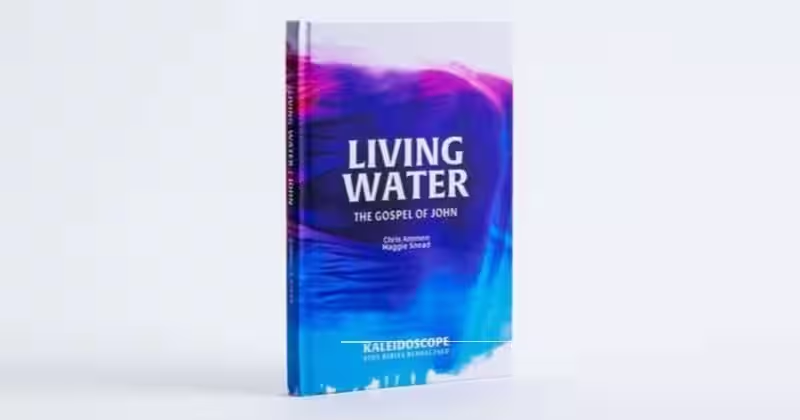
We all crave something deep within, a thirst that transcends the physical. This profound desire for connection, meaning, and fulfillment often leads us to seek answers in various aspects of life, including religion. Many religious traditions speak of “living water,” a concept that represents the life-giving grace and spiritual nourishment available through a relationship with the divine. Understanding this concept is crucial to truly appreciating its profound impact on our lives.
This article delves into the concept of living water, drawing from various religious texts and exploring its relevance in modern life. We’ll uncover the deeper meaning of these scriptures and see how they can guide us toward a richer, more meaningful existence. Key to this understanding is embracing the message that true nourishment comes not from fleeting pleasures but from a lasting connection with something greater than ourselves.
The concept of living water, while appearing in various forms across different faiths, often symbolizes spiritual sustenance and eternal life. For example, in the Christian faith, Jesus Christ is frequently referred to as the “living water.” This highlights the idea that He provides the very essence of life, both physically and spiritually. John 4:10 speaks to this, stating that whoever drinks the water Jesus gives will never thirst again. This isn’t just about satisfying a physical need, but a deep spiritual fulfillment. This is a powerful concept, suggesting that true satisfaction comes from a source beyond ourselves.
Other religious traditions echo this theme. In some Eastern traditions, living water represents the source of all creation, a continuous flow of pure energy. Imagine a river flowing constantly, providing life to everything around it. This is a metaphor for the divine living water that nourishes and sustains life in all its forms. In other traditions, living water might symbolize the revelation of truth and wisdom. The importance of this concept is that it speaks to a universal need for nourishment that transcends specific beliefs. It’s about the fundamental desire to connect with something larger than ourselves, to find meaning and purpose.
Living Water in Daily Life
The concept of living water transcends simply referencing specific verses. It encourages us to actively seek and cultivate a relationship with the divine. For example, daily prayer, meditation, and acts of service can be seen as ways to access this living water. These practices allow us to tap into a source of strength, wisdom, and compassion that enriches our lives. Consider this: if a plant needs water to grow, our spiritual well-being also requires nourishment from a higher power.
Imagine a well in a desert, a source of life-sustaining water. This is analogous to the spiritual wellspring that living water represents. How can we draw from this well? By engaging in practices that nurture our souls, seeking guidance in our beliefs, and embracing the path that resonates most with us. Examples include: journaling, spending time in nature, engaging in meaningful conversations with others, and helping those in need. These actions, combined with a commitment to our faith, can lead to a profoundly rewarding and fulfilling life.
Nourishing the Soul: Practical Applications
The living water concept isn’t just a theoretical idea; it’s a practical guide for living. We can translate the concept of living water into everyday actions by actively seeking opportunities to be of service to others. When we help those in need, we’re sharing a portion of the living water with them. This demonstrates a deep connection to something larger than ourselves and fuels our own spiritual growth. Consider Acts 20:35, which states that giving is more rewarding than receiving.
Another crucial application is cultivating a deep sense of gratitude. Feeling grateful for the good things in our lives, no matter how small, connects us to the source of living water. It recognizes that we are part of a larger system. Being mindful of our surroundings and appreciating the beauty that surrounds us is a vital step. Finally, practicing forgiveness, both for ourselves and others, is essential. It clears the path for the living water to flow freely within us. Forgiveness is a way to release emotional baggage and make space for the divine to enter our hearts.
Conclusion: A Lasting Thirst for Living Water
The concept of living water, found in many religious texts, offers a powerful framework for understanding our spiritual needs. It reminds us that true fulfillment comes from a deep connection with something greater than ourselves. By embracing practices like prayer, meditation, and service, we can tap into this source of spiritual nourishment, finding solace, strength, and guidance in our daily lives.
Ultimately, seeking and understanding living water is about more than just religious dogma. It’s about embracing a deeper, more meaningful connection with ourselves and the world around us. It’s about recognizing a fundamental yearning for something meaningful and striving to quench our thirst for the living water that sustains and nourishes our souls. The journey is ongoing, and the living water is always available to those who seek it.
Frequently Asked Questions about Living Water in Scripture
What does “living water” mean in the Bible?
The concept of “living water” in the Bible, primarily found in John 4:10-14, signifies spiritual life and the Holy Spirit. It represents the eternal, satisfying, and life-giving presence of God that quenches the thirst of the soul.
Which verses in the Bible talk about living water?
John 4:10-14, John 7:37-39, and Isaiah 44:3 are commonly cited verses referencing living water, though the concept is woven throughout various scriptures.
What is the significance of living water in different Christian denominations?
Different denominations may interpret the concept of living water in slightly varying ways, with some emphasizing the spiritual aspect more, others the practical application in daily life. The core meaning usually remains the same.
How does the concept of living water relate to salvation?
Living water, as a symbol of the Holy Spirit, is intrinsically linked to salvation. Receiving the living water signifies a spiritual rebirth and a connection with God.
Can living water be experienced in the present day?
Many Christians believe that the living water—the Holy Spirit—can be experienced and received in the present. Through faith and prayer, individuals can seek and receive this transformative gift.